
A-1 Auto Service Center stands as a pillar of automotive service in Tamaqua, Pennsylvania, delivering a broad array of repair and maintenance solutions tailored for private car owners, small business fleet operators, car dealerships, and auto repair shops alike. With a commitment to excellence, the center’s services are backed by a strong understanding of customer needs, embracing the latest technological advancements and fostering positive community engagement. This article explores the comprehensive service offerings, customer experiences, innovative technologies, economic impact, and community contributions of A-1 Auto Service Center, illustrating its essential role in the automotive landscape.
Keeping Every Mile Safe: Comprehensive Automotive Repair Services at A-1 Auto Service Center
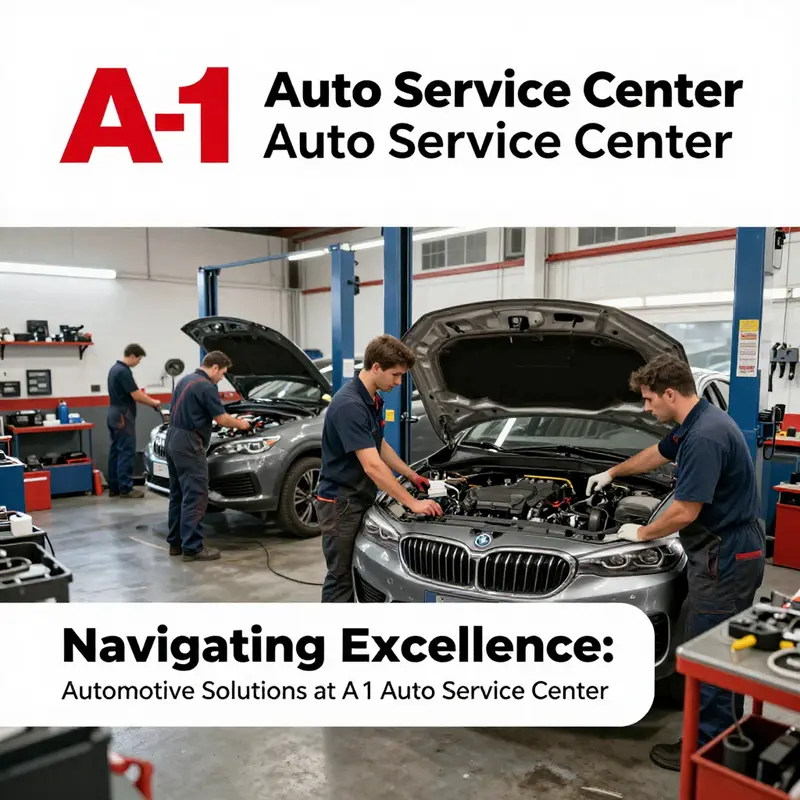
At A-1 Auto Service Center, reliability is not just a promise; it’s a practiced habit. The shop in Tamaqua sits at 25 Tuscarora Park Rd, a location that has become a quiet hub for drivers who know a good car deserves a steady hand. For residents and frequent travelers alike, the center embodies a philosophy that blends preventive care with precise repair work. The aim is simple and ambitious: keep every vehicle safe, dependable, and efficient across the miles ahead. The mechanics who work there understand that a car is more than metal and rubber; it is a trusted companion whose performance influences family errands, daily commutes, and long road trips. From the moment a vehicle enters the service bay, the focus shifts from quick fixes to comprehensive care that respects both the driver’s budget and the vehicle’s design. The team relies on transparent communication, clear estimates, and a commitment to using quality parts and the latest diagnostic tools. That combination is what turns routine maintenance into real value, not merely a line item on a receipt.
One of the core strengths of A-1 Auto Service Center is its systematic approach to preventive maintenance. In practice, this means more than a checklist of replaced fluids and worn components. It begins with a careful road test or drive-by observation to identify unusual sounds, vibrations, or steering quirks. It continues with diagnostic checks that, while routine, are thorough enough to catch small problems before they become expensive or dangerous. The aim is to detect misalignments, slipping belts, or creeping fluid leaks long before they signal a failure. For many drivers, a scheduled oil change is not just about changing the oil; it is an opportunity to inspect the heart of the machine—the engine—through a quick, preventative health screen. The oil change becomes a moment to reorient the entire vehicle’s care plan toward reliability and longevity, balancing cost with the assurance that the engine will perform when it matters most.
Brake services anchor the safety net at the center of the shop’s offerings. A-1 Auto Service Center treats brakes as a system rather than a single component. A routine inspection looks for pad and shoe wear, rotor or drum condition, caliper binding, and the efficiency of the braking system’s hydraulic lines. If wear is detected, technicians propose a measured course of action: pad replacement where needed, rotor resurfacing or replacement, and a careful brake fluid flush to prevent spongy pedal feel and to avert moisture-related degradation. The technicians explain the difference between normal wear and symptoms that demand urgent attention—like squealing that suggests metal-to-metal contact or a soft pedal that hints at air in the lines. This emphasis on safety and honesty helps customers prioritize repairs while avoiding surprise costs. The result is a braking system that responds predictably, giving drivers the confidence to navigate wet streets, steep descents, and busy intersections alike.
Routine oil changes are a recurring theme in the shop’s work, but they are not merely a transactional moment. The team uses filters and fluids selected to match each vehicle’s specifications, and they review service intervals in the context of the owner’s driving patterns. For many families, that means adjusting schedules for seasonal changes, frequent highway travel, or heavy stop-and-go city commutes. Beyond the basics, the maintenance visit becomes a chance to verify the health of the engine’s breathing, the integrity of the cooling system, and the cleanliness of the air intake. Technicians may perform a quick battery and charging system check during the same appointment, because a healthy electrical system often accompanies well-maintained oil and coolant systems. The result is a smoother-running engine, improved fuel efficiency, and fewer unexpected breakdowns, all achieved through a disciplined, proactive routine rather than reactive repairs.
Tire rotation and wheel alignment are the practical arts of tire care that influence both wear patterns and handling. The shop schedules rotations with careful attention to the vehicle’s drivetrain design, ensuring even tread wear across all four corners. Balanced tires reduce vibration and extend tire life, while proper alignment preserves steering feel and fuel economy. The technicians use modern equipment to measure toe, camber, and caster angles, then adjust where needed. The effect of precise alignment extends beyond the tires; it supports suspension components by reducing uneven loading and missed trajectories. Customers often notice quieter rides, steadier steering, and fewer vibrations at highway speeds after an alignment. The cumulative effect is straightforward: longer tire life, safer handling, and a more comfortable driving experience, even on rough pavement or long road trips.
Battery testing and replacement services reflect the shop’s commitment to reliability. A failing battery is often a symptom of broader wear in the vehicle’s electrical system, and technicians test the battery under load to determine its true capacity. They check the alternator and starting system, ensuring the charging circuitry keeps the battery topped up. When a replacement is recommended, customers are offered clear options that fit their vehicle and budget, with guidance on performance impacts in extreme weather or high-demand usage. Fluid checks and top-offs complement this approach. The team tracks essential fluids—coolant, transmission fluid, power steering fluid, brake fluid, windshield washer fluid, and others—reassuring customers that the car remains properly lubricated, cooled, and protected. The service ethos here combines diagnostic rigor with practical maintenance, acknowledging how small, routine checks can prevent bigger, costlier problems down the road.
Finally, general vehicle inspections tie everything together. A multi-point assessment, supported by modern diagnostic equipment, surveys every major system: braking, steering, suspension, electrical, climate control, and safety features. In addition to hands-on inspection, technicians may run code scans to detect hidden faults in modern vehicles whose onboard computers monitor dozens of subsystems. The goal is not to alarm but to inform. A thorough report with observations, recommended actions, and transparent pricing helps customers decide what to address now and what to monitor over time. In this way, maintenance becomes a partnership between driver and technician, built on shared understanding of risk, performance, and budget. The spirit of service at A-1 Auto Service Center is not just about fixing problems; it is about protecting the specific rhythms of each customer’s life—the school run, the commute, the weekend escape, and the occasional long-haul journey.
Across locations, including the Sacramento arrangement described in the broader research, the same core services form a consistent backbone. The teams uphold a standard of quality that emphasizes safety, reliability, and customer empowerment. They operate with certified technicians who bring discipline and care to every appointment, using quality parts and diagnostic gear that reflect current automotive technology. This consistency matters because drivers rely on predictability: if a repair is recommended at one shop, they expect the same careful analysis and clear communication at another. The result is a network of service centers that honors the trust drivers place in them. It also makes it easier for customers to plan preventive maintenance as part of a coherent life rhythm, rather than treating vehicle upkeep as a series of disjointed, costly disruptions. For a deeper look at how the team frames and communicates these services, you can visit the A-1 Auto Service profile page: A-1 Auto Service.
Locally, the Tamaqua shop makes this approach tangible. Residents who drop off a family sedan or a light-duty pickup receive not only a diagnostic summary but also a plan that fits their budget and schedule. The address and phone are simple: 25 Tuscarora Park Rd, Tamaqua, PA 18252; (570) 581-6489. For many drivers, the combination of transparent pricing, careful attention to safety, and the peace of mind that comes from a center that treats maintenance as ongoing care is what turns routine service into lasting trust.
External resource: https://www.a1autorepair.com
Building Trust Under the Hood: How A-1 Auto Service Center Crafts Lasting Customer Relationships
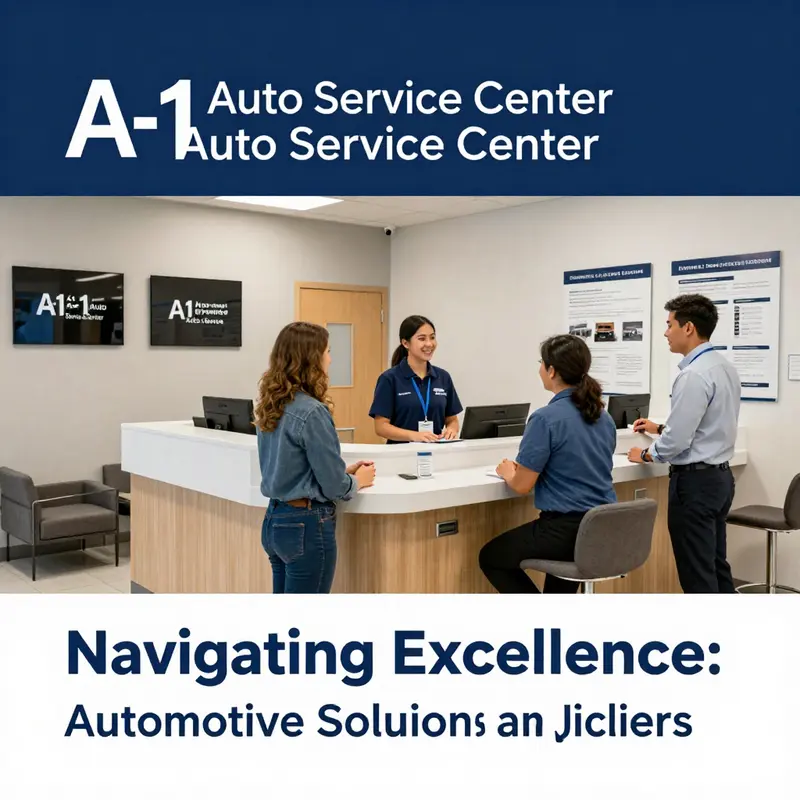
A-1 Auto Service Center has turned routine automotive care into a relationship-driven experience that customers remember and return to. The center’s reputation in Tamaqua stems less from flashy marketing and more from consistent behavior: clear explanations, honest recommendations, and friendly interactions that respect customers’ time and budgets. These simple actions add up. They reduce anxiety, clarify expectations, and create an environment where clients feel they are part of the solution rather than subject to it. Over time, this approach produces a tangible asset: loyalty. Long-term customers at A-1 don’t just choose the shop for a single repair. They choose it because they trust the people who work there to give plain answers and fair advice.
Trust begins with conversations that avoid jargon and guesswork. Technicians at A-1 take time to describe the problem, the options, and the likely outcomes. They explain why a repair is urgent, why a maintenance task can wait, and what the real costs are. This transparency prevents surprise bills and sets realistic timelines. When a customer hears a straight answer and sees it followed by action, a small promise is fulfilled. Repeat this across dozens of repairs and routine services, and a pattern emerges: the shop becomes predictable in the best sense. Predictability builds confidence, and confidence breeds repeat business.
Beyond technical clarity, the center’s interpersonal style plays a central role. Staff present advice in a friendly, respectful manner, recognizing that many clients are uneasy about car repairs. Instead of talk that pressures or confuses, conversations focus on options and trade-offs. Customers are invited to ask questions and make informed decisions. That dialogic approach turns transactions into partnerships. People who feel respected are more likely to accept recommendations, follow through with preventive maintenance, and speak positively about the center to friends and family.
Operational choices reinforce the human side of the experience. A-1’s scheduling methods and payment flexibility reduce friction at critical touchpoints. Clear estimates are provided up front. Payment methods accommodate common preferences. When logistics are simple, the relationship side has room to flourish. Customers don’t have to wrestle with forms or unclear bills; they can concentrate on the interaction and on understanding the work. Small efficiencies like transparent estimates and clear pickup policies signal that the business values the customer’s time as much as their vehicle.
This customer-first orientation is consistent with broader industry shifts that place experience at the center of decision-making. Modern vehicle buyers increasingly value integrated experiences, and auto service providers must meet that expectation in their own way. For A-1, excelling at the service counter and in the shop is an on-the-ground answer to that demand. Rather than competing on novelty, A-1 competes on quality of interaction. It builds its differentiation through consistent, human-centered service—an approach that remains relevant even as vehicles become more connected and software-dependent.
A-1’s model also emphasizes education. Technicians take time to point out wear patterns, explain preventive steps, and suggest simple checks customers can do at home. Education reduces future issues and empowers drivers. It shifts the relationship from reactive to proactive, encouraging customers to view maintenance as manageable rather than mysterious. When customers understand what a service achieves, they are likelier to authorize it, appreciating the long-term value rather than seeing it as a short-term expense.
Another element that strengthens relationships is problem ownership. When challenges arise—delays, unexpected findings, or parts issues—A-1 communicates the situation promptly and proposes clear next steps. That approach avoids the frustration of being left uninformed. Customers trust businesses that own mistakes and present remedies. Taking responsibility matters more than appearing flawless. Clients remember how issues were handled as much as whether the issue occurred at all.
Word of mouth remains a powerful driver for the center. Satisfied customers recommend the shop to neighbors and coworkers. This organic endorsement is the natural result of repeated small positive experiences rather than single grand gestures. Community reputation in a town like Tamaqua is a strong currency. A-1’s repeat business and referrals indicate that the center has earned community trust through reliability and fair dealing.
Customer loyalty also benefits from consistency across channels. A phone call, a walk-in, or an online inquiry should deliver the same tone and information. A-1’s contact number and location are easily accessible, minimizing friction for new and returning clients. Staff train to maintain a uniform standard of communication so that every interaction reinforces the center’s values. This consistent brand of service cultivates the sense that customers are returning to a place where they will be understood and treated fairly.
There is a strategic advantage in focusing on long-term relationships. Repeat customers cost less to serve in terms of marketing and onboarding. They provide steady revenue and make the calendar more predictable. More importantly, a loyal client base offers honest feedback that a business can use to refine operations. A-1 leverages that feedback loop: satisfied customers return and offer practical suggestions, which the center can implement to improve scheduling, clarity of estimates, and customer amenities.
As automobiles evolve, service centers will need to adapt their expertise and their customer interactions. For now, the fundamentals that A-1 applies—clear communication, honest recommendations, and respectful treatment—remain effective and scalable. These techniques translate across vehicle types and technology levels. They also form a flexible foundation for future enhancements, such as digital appointment tools or vehicle health updates, without sacrificing the human connection that defines the center’s reputation.
A-1’s experience-driven approach demonstrates that the service journey extends beyond parts and labor. It includes how customers feel when they leave: informed, respected, and confident the next time they drive. This emotional dimension is not incidental. It is central to why people choose the same shop year after year. The center’s steady emphasis on trust and transparency turns necessary maintenance into a predictable, reassuring experience.
For readers who want a broader view of how automotive service and the driver experience are changing at the industry level, a recent analysis explores how software and integrated systems are redefining expectations and opportunities. That resource offers useful context on the larger forces shaping customer expectations and the future of service delivery: https://www.mckinsey.com/industries/automotive-and-assembly/our-insights/how-software-is-reinventing-the-driver-experience
If you want to learn more about the center’s local presence and services, see the A-1 Auto Service overview for a direct look at what the shop offers and how to get in touch.
Riding the Digital Repair Horizon: How Technology Reforms Service at A-1 Auto Service Center
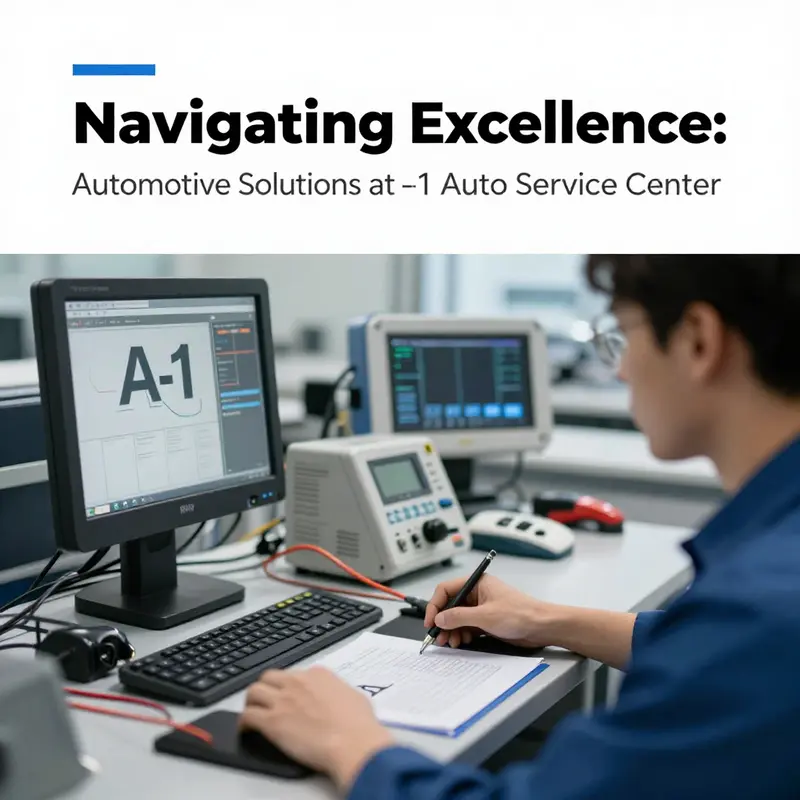
Nestled in Tamaqua, Pennsylvania, A-1 Auto Service Center stands as a neighborhood hub where the sounds of engines and the hum of diagnostic screens blend into a single modern chorus. The center has long been known for dependable automotive care—repairs, routine maintenance, and a range of related services that keep vehicles operating safely on local roads. Yet behind the familiar cadence of oil changes and brake checks, a quiet revolution is underway. Technology is not replacing the trust built with customers; it is expanding it. It is reshaping how a trusted local shop becomes a smarter, more transparent partner in vehicle ownership. In this sense, the chapter of this center’s story is not about gadgets for gadgetry’s sake, but about how intelligent systems align with the everyday needs of drivers in Tamaqua and beyond, translating complex vehicle data into actionable care and a smoother, more predictable ownership experience.
The most visible shift on the shop floor is diagnostic intelligence. Modern vehicles generate streams of real-time data from countless sensors, and the latest diagnostic approaches harness artificial intelligence and machine learning to interpret that data with speed and precision that surpass instinct and experience alone. Rather than chasing symptoms, technicians are increasingly guided by AI-driven analyses that spotlight root causes and forecast potential failures before they become disruptive. This predictive mindset matters not only for the car’s performance but for the customer’s peace of mind. When a dashboard light flickers or a strange vibration emerges, the technician can translate that signal into a targeted plan that minimizes unnecessary parts replacement and labor, reduces downtime, and extends the vehicle’s useful life. In practice, the center translates these capabilities into a workflow that reads like a well-choreographed ballet of data and hands. Real-time vehicle data is captured, interpreted, and then contextualized within a maintenance plan, so what begins as a diagnostic nudge often ends with a precise, preventative action rather than an exploratory, cost-intensive fix.
That depth of insight is complemented by a growing emphasis on the vehicle as a connected partner in the service journey. Vehicles today are not isolated machines; they are nodes in a broader information network that includes the shop, the customer’s mobile device, and sometimes even remote service ecosystems. For a shop like A-1 Auto Service Center, this connectivity is a bridge to a more transparent and collaborative service experience. When technicians align vehicle data with scheduled maintenance intervals, customers can receive a curated plan that clearly links what will be done, why it matters, and how it contributes to longevity and safety. The outcome is a service narrative that customers can follow as easily as tracking a delivery. It is this narrative, rather than merely the result, that builds confidence: the car’s health story is visible, accessible, and understandable. The shift toward connected diagnostics also supports more consistent service intervals. Rather than relying on memory or generic time-based intervals, the center can tailor maintenance windows to how the vehicle is actually used and how its components behave under local driving conditions. For a community that faces a mix of city commuting, rural travel, and seasonal fluctuations, this capability translates into maintenance that respects both the car’s realities and the driver’s rhythm.
A natural companion to enhanced diagnostics is the modernization of how customers interact with service scheduling and updates. Digital platforms have steadily moved from convenience add-ons to expectations. In a shop that serves a diverse clientele, the ability to book appointments online, receive automated reminders, and view a vehicle’s service timeline in real time matters as much as the service itself. A customer who schedules a routine maintenance visit in the morning can receive a clear, timely forecast of the day’s work, an estimated cost range, and a live status update as the vehicle moves through inspection, repair, and quality checks. The emphasis on real-time communication reduces uncertainty about when a vehicle will be ready and what it will cost, making the entire experience more predictable and less stressful. In this way, the digital layer becomes a partner in the relationship rather than a separate system. It allows the customer to participate in the service as an informed spectator rather than a passive recipient, which reinforces trust in the center’s recommendations and fosters lasting loyalty.
A parallel evolution concerns the transparency of the service itself. Modern service reports are more than a list of replaced parts and hours billed; they are rich, documentary records that capture the vehicle’s health before, during, and after service. Photos of worn components, annotated diagnostic readouts, and trackable calibration data all contribute to a comprehensive service history. This depth of documentation has several practical benefits: it helps customers appreciate the rationale behind each recommendation, it serves as a reference for future services, and it provides a defensible record should questions arise about cost or necessity. For technicians, such reporting reinforces accountability and quality control. It becomes a shared standard by which both the shop and the customer measure value. In an era when customers are increasingly evaluating not just the price but the total experience of car care, this level of clarity can be a differentiator that strengthens confidence and repeat business.
In tandem with diagnostics and reporting, the center’s approach to maintenance increasingly encompasses software-centric tasks that reflect the realities of contemporary vehicles. The automotive landscape is moving toward software-defined performance, where steady calibration of sensors, updating of onboard software, and periodic cybersecurity checks become essential maintenance activities. In practice, that means technicians may perform software updates that optimize vehicle systems, recalibrate sensors after a wheel alignment, or verify that safety features remain aligned with the vehicle’s current software baseline. It also means acknowledging the rising importance of cybersecurity as a shared responsibility between car owners, manufacturers, and service providers. As connectivity grows, so does exposure to potential vulnerabilities. A forward-looking auto service center understands this and integrates cybersecurity checks into the routine when appropriate. The aim is not to frighten customers with risk but to reassure them that responsible checks and prudent updates are part of safeguarding the vehicle’s integrity and the owner’s investment.
All these technological threads are sustained by an equally important human element—the technicians and support staff who translate data into care. Technology, to be effective, must be paired with skilled hands and disciplined processes. The center invests in ongoing training that helps technicians interpret data outputs, perform precise calibrations, and communicate insights in plain terms to customers. The human-technology partnership is what makes the improvements tangible in everyday settings: shorter wait times, more reliable diagnoses, and service outcomes that match, or exceed, expectations. In many ways, this alignment of people and tools is the quiet engine behind the visible improvements. It ensures that the adoption of new technologies does not displace the personal touch that local customers value, but rather enhances it. The result is a service environment where customers feel heard, respected, and informed, while their vehicles benefit from a deeper, data-informed level of care.
For local customers who know the shop by its familiar address at 25 Tuscarora Park Rd, Tamaqua, and for drivers who rely on the center’s reputation for straightforward, dependable service, the integration of technology is a natural extension of that commitment. It is not about chasing the latest gadgetry; it is about embracing a more precise, proactive approach to vehicle care that aligns with how people live and drive today. The center’s evolution mirrors a broader industry trajectory, where AI, machine learning, and connected-vehicle capabilities increasingly shape the way maintenance is planned and delivered. It is a transition that blends the comfort of a trusted local business with the efficiency and transparency that modern customers expect. In that sense, A-1 Auto Service Center is charting a practical course through a landscape where technology acts as a magnifier of expertise, a validator of good judgment, and a clearer channel of communication between car, customer, and technician.
This narrative is not a claim of absolute novelty but a description of a shift toward smarter service strategies that many progressive shops have embraced. The center’s path reflects a broader trend in the automotive service ecosystem toward predictive maintenance, smarter scheduling, and open, data-driven dialogues with customers. It remains essential that the core values—reliability, honesty, and craftsmanship—continue to anchor every new capability. In Tamaqua, that balance between tradition and technology ensures that the center remains a dependable partner for residents and travelers who pass through the region, seeking timely repairs, clear explanations, and a future-proof plan for their daily drives. For readers who want to explore how these ideas translate into concrete practice at the local level, a closer look at the A-1 Auto Service Center page offers insight into the shop’s philosophy and capabilities. See https://veteranauto.us/a-1-auto-service/ for more context about the center’s approach to automotive care.
To place this technological evolution within a wider industry frame, consider the inescapable message of contemporary automotive technology trends. The broader trajectory emphasizes predictive maintenance, data-driven decision making, and an enhanced, transparent customer experience. These are not abstract forecasts but practical imperatives that service centers increasingly adopt to stay relevant and reliable. By aligning diagnostic precision with customer communication, and by weaving software-centered tasks into everyday service routines, A-1 Auto Service Center demonstrates how a local business can thrive in a digital era without losing the personal, human-centered touch that has long defined its value in the community. For readers seeking a broader industry perspective on these shifts, the LTIMindtree Automotive Technology Trends Report provides an external reference point that elaborates on how AI, machine learning, and connected-vehicle technologies are reshaping manufacturing and service ecosystems. It serves as a reminder that the changes seen in Tamaqua are part of a global movement toward smarter, more proactive vehicle care.
null
null
Rooted in the Neighborhood: A-1 Auto Service Center’s Community Partnerships and Impact
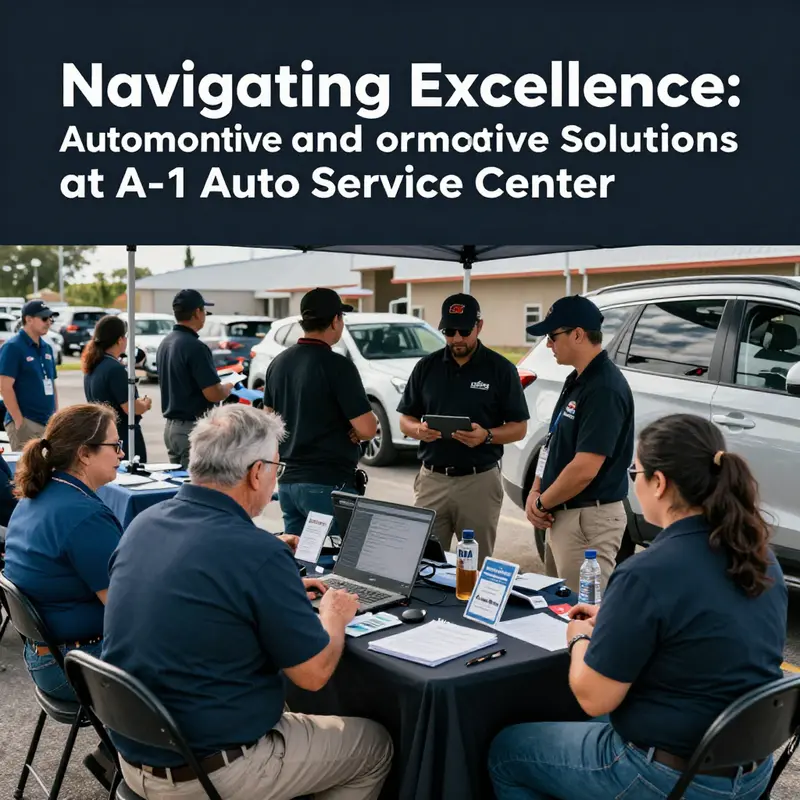
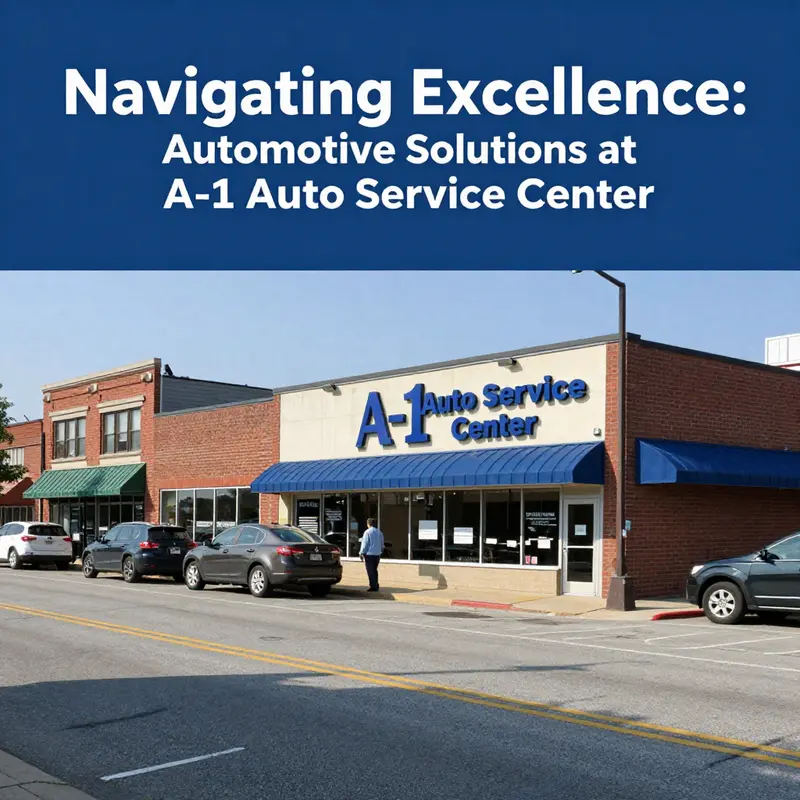
A-1 Auto Service Center has established itself as more than a repair shop in Tamaqua; it functions as a neighborhood anchor that connects practical care for vehicles with lasting social value. The center’s outreach efforts blend hands-on assistance, education, and active participation in communal life. These activities extend beyond goodwill; they build trust, promote safety, and keep local mobility reliable for those who depend on it most. The narrative that unfolds around A-1’s community engagement is one of steady, purposeful involvement that strengthens both cars and community bonds.
At the heart of A-1’s approach are recurring programs designed to remove barriers to essential vehicle maintenance. Free vehicle check-up days aimed at seniors and low-income families are a practical example. On these days, technicians perform safety-oriented inspections and basic maintenance tasks at no charge. They test batteries, inspect brakes and tires, check lights and fluid levels, and advise on minor repairs that, if left unattended, could lead to unsafe conditions or costly breakdowns. These events are scheduled with sensitivity to local needs, often coordinated through senior centers, community churches, and social service organizations. For many participants, a free check-up does more than save money; it restores confidence that a daily commute, a medical appointment, or a grocery run will not be interrupted by an unexpected failure.
Beyond one-off events, A-1 invests in education as a means of fostering long-term resilience. Collaborations with local schools and youth organizations bring practical workshops on basic car care and safe driving practices into classrooms and community halls. These sessions are deliberately hands-on and accessible. Students learn how to check oil, assess tire pressure, recognize warning lights, and understand the basics of routine maintenance. The curriculum is tailored to be age-appropriate and engaging, with demonstrations that demystify the vehicle rather than intimidate. For teenagers about to begin driving, sessions include discussions on defensive driving, simple troubleshooting, and the importance of regular maintenance in avoiding accidents. Teaching these skills early builds safer habits and equips young drivers with the means to care for their first vehicles.
A-1’s outreach also integrates volunteer time and resources into local events. Technicians and staff often lend practical support at fairs, parades, and safety days, offering short instructional talks and demonstrations. These interactions are informal but impactful; they convert technical expertise into approachable advice. When residents see technicians volunteering their time at community gatherings, the perception of the service center shifts from a transactional business to a trusted neighbor. That trust matters when someone needs a recommendation, a sympathetic explanation of repairs, or guidance on budgeting for maintenance.
The center’s partnerships reach local institutions in structured ways. Work-sharing agreements with vocational programs and technical schools allow students to observe real-world diagnostics and basic repairs under supervision. These relationships serve a dual purpose: they enrich workforce development in the region and create a pipeline for skilled technicians who know the community they serve. Internships and apprenticeships anchored at A-1 give motivated students hands-on experience and mentorship. This investment in local talent keeps expertise in the region and contributes to economic resilience, especially in a small-town context where retaining skilled labor can be a challenge.
Safety advocacy is another thread woven through A-1’s community engagement. The center participates in campaigns that emphasize seat belt use, drunk-driving prevention, and safe winter driving practices. Seasonal outreach is pragmatic: reminders and checklists for winter readiness, for example, help drivers prepare for snow, ice, and cold starts. A-1’s technicians often contribute to local media segments or public service announcements, translating technical advice into clear, actionable steps. These efforts reduce risk on the road and position the service center as a resource for timely, trustworthy guidance.
A-1 also acknowledges the non-technical needs of the neighborhood. The center donates time and material resources to community improvement projects, such as sponsoring local sports teams, contributing to school fundraisers, or supporting food drives. These gestures, while not directly automotive, reinforce the idea that A-1’s stake in Tamaqua extends beyond customers to neighbors and families. By supporting events that matter to residents, the center cultivates goodwill and reciprocity in local life.
Transparency and communication are central to how A-1 approaches community work. When offering free services or workshops, the team emphasizes clear explanations and accessible language. They avoid jargon and ensure participants leave with a practical checklist or resource. This clarity helps people make informed choices about repairs and maintenance. It also reduces the anxiety many feel about vehicle costs by equipping them with knowledge and by offering honest estimates when paid work is needed. That ethic of openness builds long-term relationships, not one-off transactions.
Measuring impact is part of A-1’s strategy. Staff track outreach participation, the number of vehicles assessed during community check-up days, and feedback from workshop attendees. These metrics inform how they allocate time and tailor future activities. For example, if a particular safety topic generates many follow-up questions, A-1 will plan an expanded workshop or develop concise printed materials to distribute at community centers. This iterative approach ensures outreach remains relevant and responsive.
The center’s community footprint also has intangible effects that ripple through the town. When a family’s car is made safe and reliable after a free check, that family’s stress decreases and their mobility—essential to work, school, and health—stabilizes. When a teenager learns to change a tire, a sense of independence and responsibility grows. These small outcomes accumulate into a stronger, more connected community where practical skills and mutual support are valued.
A-1’s community engagement also builds resilience for the business itself. By fostering trust and demonstrating consistent social responsibility, the center reinforces customer loyalty and local reputation. People are more likely to choose a service provider they know cares about the same things they do. This mutual commitment supports a sustainable business model that aligns profit with public purpose.
For those seeking more detail about A-1 Auto Service Center’s programs and schedules, the center maintains an online presence where community efforts are highlighted and updated. For a local perspective on regional service providers and background features, see this profile of A-1’s local operations. For direct information about A-1’s community initiatives, visit their community page: https://www.a1autoservice.com/community
Through these layered activities—free safety checks, educational workshops, school partnerships, volunteer participation, and clear communication—A-1 Auto Service Center creates a practical and moral engine for community wellbeing. The center’s model shows how a local business can multiply its impact by combining technical skill with civic intent. In a small town, that combination matters: it keeps cars running, people safe, and neighborhoods connected.
Final thoughts
In summary, A-1 Auto Service Center exemplifies a model of automotive service that prioritizes not only repair and maintenance but also the customer experience, technological innovation, and community involvement. By staying ahead of industry trends and fostering strong client relationships, A-1 ensures that it remains a trusted choice for private car owners, fleet operators, and local businesses. Its impact on the local economy and commitment to community growth underline its pivotal role in regional automotive excellence.