
Auto air conditioning (AC) systems are crucial for maintaining comfort in vehicles, especially during hot weather. Regular maintenance and timely servicing not only ensure a pleasant driving experience but also contribute to the longevity of your AC system. This guide explores practical steps for the routine care of your vehicle’s AC, detailing key components to monitor and maintain, as well as professional services for comprehensive cleaning and repairs. Understanding these elements will empower private car owners, small business fleet operators, car dealerships, and auto repair shops alike to enhance their AC systems’ efficiency and durability.
Everyday Care and Preventive Routines to Keep Your Car’s AC Cold and Reliable
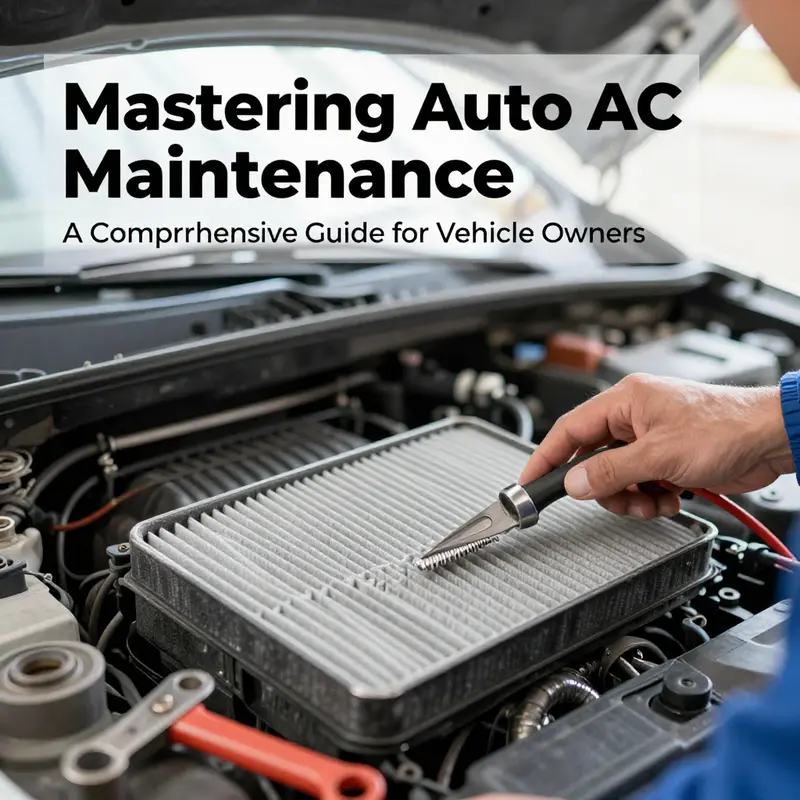
Regular maintenance and preventive care are the quiet routines that keep your car’s air conditioning working when you need it most. An AC system left to chance will gradually lose efficiency, become noisy, develop odors, and eventually require costly repairs. By contrast, an owner who adopts a few straightforward habits, understands the key components, and schedules periodic professional attention can preserve cooling performance, protect cabin air quality, and avoid inconvenient breakdowns. This chapter describes the practical, hands-on maintenance tasks and the preventive mindset that keep an automotive AC system healthy, focusing on actions you can take at home, what to watch for during routine inspections, and when to call a professional.
Start with the simplest, highest-impact habit: replacing the cabin air filter at the right intervals. The cabin air filter traps dust, pollen, road grit, and airborne debris before it reaches the evaporator and the passenger compartment. When the filter is clogged, airflow drops, the system works harder, and occupants notice weaker cooling and stale or musty odors. For most vehicles, replacing the cabin air filter every 10,000 to 15,000 miles—or at least once a year—keeps airflow strong and prevents contaminants from settling in the evaporator housing. If you drive in dusty or polluted environments, check and replace the filter more often. The replacement process is usually simple: locate the filter housing behind the glove box or under the cowl, pull out the old filter, note the airflow direction printed on the filter, and install the new one in the same orientation. A fresh filter is the fastest way to restore crisp airflow and reduce the risk of mold development inside the system.
Another deceptively important routine is to run the AC regularly, even in cold weather. Operating the system for five to ten minutes once a month keeps seals lubricated and prevents the refrigerant oil from settling. This small amount of use prevents the compressor’s shaft seal from drying out and cracking, which is a common source of refrigerant leaks. Running the AC periodically also circulates refrigerant and helps electronic controls stay functional. If you park outdoors for long periods, running the system helps maintain the blower motor and ensures that the ventilation system remains free of stubborn odors.
How you use the AC on a hot day affects its longevity. When you first get into a hot car, open the windows for a minute or two to let trapped hot air out. Then set the controls to maximum cooling and high fan speed. This sequence reduces how long the system must run at full load to reach a comfortable temperature. Toward the end of a trip, switch the compressor off a few minutes before you park and leave the fan running on “vent” for a short time. That dries the evaporator and ducts, helping prevent the damp conditions that encourage mold and bacterial growth. These simple behavioral adjustments reduce stress on the compressor and the evaporator and can prevent persistent bad smells.
A visual and auditory inspection is a powerful preventive tool. Spend a few minutes each month looking under the hood and listening while the AC runs. Inspect the compressor drive belt for cracking, glazing, or fraying and verify that tension is within the range specified in your vehicle manual. Belts typically last three to five years depending on driving conditions; replacing them proactively avoids sudden failures. Watch the compressor clutch engage—when you turn on the AC, you should hear a distinct click as the clutch locks. If the compressor fails to engage, or if you hear grinding, whining, or squealing noises, stop using the AC and arrange a diagnostic. Unusual sounds often indicate failing bearings, a seized compressor, or worn belt tensioners—all conditions that require prompt repair to avoid collateral damage.
Check visible hoses and connections for oily residue and signs of refrigerant leaks. Refrigerant and oil escaping from a hose junction or fitting will leave a glossy stain on hoses or surrounding components. If you spot oil stains, do not simply add refrigerant; leaks must be found and repaired. Adding refrigerant without addressing leaks wastes refrigerant, harms the environment, and often results in premature component failure. Keep a simple inspection checklist: belts, compressor clutch operation, visible hoses, and the condenser at the front of the vehicle.
The condenser, usually located at the front of the car near the radiator, needs periodic cleaning. Road debris, leaves, insects, and dust can pack into the fin array, reducing heat rejection and forcing the system to work harder. A clogged condenser can cut cooling efficiency dramatically. Quarterly visual cleaning with a soft brush and a gentle cleaner will keep airflow through the fins unobstructed. When cleaning, avoid using high-pressure water directly on the fins; strong jets can bend the delicate fins and further restrict airflow. If fins are slightly bent, a fin comb can straighten them and restore performance. During cleaning, also clear any debris around the condenser and the area in front of it so that engine bay cooling and AC condenser airflow remain optimal.
Electrical systems and sensors play a central role in modern AC operation. Many contemporary vehicles manage compressor operation, cabin temperature, and fan speeds with electronic control modules and pressure/temperature sensors. Using an OBD-II scanner to check for related error codes can reveal faults in the AC control module, ambient temperature sensor, or cooling fan relays. If the cooling fans fail to run when AC is on, the condenser won’t get adequate airflow at idle, and cooling performance will suffer. Replacing a bad relay or addressing fan wiring issues early prevents overheating and compressor overwork. For safety and accuracy, electrical troubleshooting beyond simple checks should be performed by a technician, but being aware of the signs—no fan operation, erratic temperature behavior, or diagnostic codes—helps you know when to seek professional service.
Refrigerant level and system integrity are the backbone of effective AC service, but they require specialist tools and training. Low refrigerant is a frequent cause of poor cooling. However, adding refrigerant without locating a leak is a band-aid that may produce temporary improvement and then let the system fail again. Certified technicians use vacuum pumps to evacuate the system, removing all refrigerant, moisture, and air. After evacuation, they perform leak tests using dyes or electronic detectors and repair any issues. Only then do they recharge the system with the correct type and precise amount of refrigerant specified by the vehicle manufacturer. For many newer models, that refrigerant is a more environmentally friendly type that also requires exact handling procedures. Periodic professional evacuation and recharge every two to three years is a sound preventive step for vehicles with heavy AC use or those with known performance decline.
Deep system cleaning addresses the invisible problem of microbial growth. The evaporator core sits inside the HVAC housing and is often damp, which makes it an ideal environment for mold and bacteria. These microbes are the main cause of persistent musty odors and can reduce cabin air quality. Annual use of a professional-grade cleaning kit that sprays a disinfectant into the intake duct while the system runs will sanitize the evaporator and ductwork. In some cases, technicians will remove and clean or inspect drain lines to ensure moisture can escape freely. Keeping the evaporator dry after use—by switching to fan-only mode before parking—helps prevent recontamination.
When to call a professional is an essential part of preventive thinking. Routine filter replacement, basic cleaning, and visual inspections are straightforward. Complex tasks such as refrigerant charging, leak repair, compressor replacement, or advanced electrical diagnosis must be handled by qualified technicians equipped with recovery machines and proper refrigerant-handling certifications. Seek professional help when cooling stops entirely, when odd noises persist, when there are visible oil stains or refrigerant leaks, or when persistent odors resist cleaning. Prompt professional attention keeps minor issues from becoming major failures and often costs far less than replacing a compressor or evaporator later on.
A preventive maintenance schedule tailored to your driving habits will protect AC performance. For a typical driver, adopt these intervals: replace cabin air filter annually or every 10,000–15,000 miles; run the AC for several minutes at least once a month; visually inspect belts, hoses, and condenser quarterly; clean the condenser every three months if you drive in dusty conditions; and schedule a professional system evacuation and recharge every two to three years. If you frequently tow, drive in extreme heat, or spend much time in dusty environments, shorten these intervals. Treat the vehicle manual’s recommendations as authoritative and align preventative actions with the manufacturer’s specifications for refrigerant type and belt intervals.
Environmental responsibility and safety must guide any work on the AC system. Refrigerants are hazardous to breathe and harmful to the atmosphere. Never vent refrigerant to the air. Certified recovery and recycling equipment must be used during service. That is another reason why refill operations and leak repairs belong to certified shops. When you choose a technician, confirm they follow proper recovery, evacuation, and disposal protocols and that they can source the correct refrigerant for your vehicle.
Small investments of time and attention deliver outsized benefits for AC reliability. A fresh cabin filter, routine condenser cleaning, a monthly run of the system, and careful attention to noises and leaks prolong life and sustain comfort. Those habits protect the compressor, reduce fuel consumption by keeping the system efficient, and maintain a healthy cabin environment. They also make diagnostics easier: when you follow preventive routines, technicians can focus on isolated issues rather than chasing problems caused by neglected maintenance.
Finally, cultivate a record-keeping habit. Note filter replacement dates, belt changes, professional service dates, and any repairs. A simple log helps you maintain a consistent schedule and provides service history that can increase resale value. When selling a car, a documented history of AC maintenance reassures buyers and demonstrates mechanical stewardship.
For owners who want a broader perspective on time-based and usage-based preventive strategies, the comprehensive review of preventive maintenance practices provides useful context and supports the approach described here: https://www.sciencedirect.com/topics/engineering/preventive-maintenance
If you need local service or a professional inspection, use reputable repair directories to find certified technicians who follow proper refrigerant handling and system recovery procedures. One helpful resource for locating general auto repair services is car auto repair services.
Adopting these preventive habits transforms your AC from a component you react to into one you manage. With a mixture of simple owner tasks, regular inspections, and periodic professional service, your vehicle’s air conditioning will stay efficient, quiet, and odor-free for years. Make those preventive steps routine, and you will enjoy reliable comfort on every trip.
Critical Components to Inspect and Maintain for Reliable Auto AC Performance
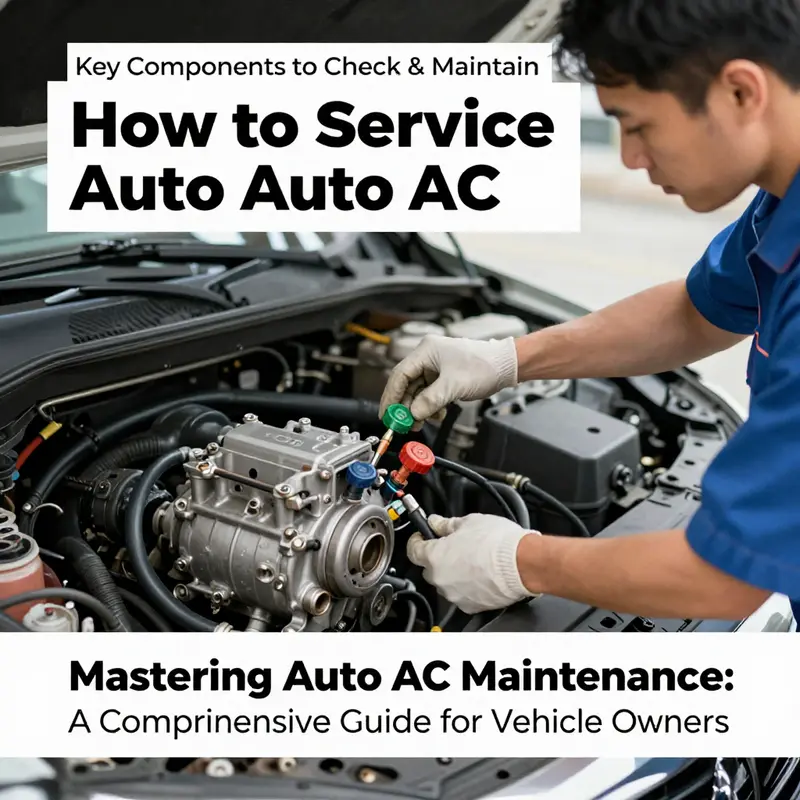
Keeping your car’s air conditioning healthy depends on more than occasional recharges. A reliable AC system is a balanced assembly of mechanical, electrical, and thermal parts that must work together. Neglect one area and the symptom appears elsewhere: weak airflow, odd noises, or warm air. This chapter walks through the essential components you must check and maintain when servicing an automotive AC system. The goal is a practical, technician-level view that helps you diagnose issues and prioritize interventions while understanding why each step matters for longevity and efficiency.
The compressor sits at the center of the AC loop and deserves careful attention. It pumps refrigerant through the system and endures high pressures and frequent start-stop cycles. A properly functioning compressor clutch should engage promptly with a clear click and remain steady while running. When inspecting, listen closely for grinding, knocking, or whining—the sounds often indicate bearing wear or internal plate damage. Check for oil at the compressor body and fittings. Oil traces often point to refrigerant leaks and internal seal failure. Electrical checks are equally important: verify clutch coil resistance and ensure reliable grounding. Voltage spikes, poor grounds, or intermittent supply can prevent clutch engagement or damage the coil. Drive belts that power the compressor need routine inspection for cracks, glazing, or looseness. Replace them on the manufacturer’s interval or sooner if wear appears. Because the compressor contains moving parts and pressurized refrigerant, repairs beyond visual and electrical checks generally require a certified shop.
Equally critical is the evacuation and vacuum process performed before any recharge or component replacement. Moisture inside the system reacts with refrigerant and oil to form corrosive acids. These acids degrade seals, corrode internal passages, and create sludge that clogs expansion devices and orifice tubes. Effective evacuation removes air and moisture to a deep vacuum level that prevents these chemical reactions. Use a quality vacuum pump and confirm the system holds the vacuum for the recommended duration; any rise in pressure during the hold test usually indicates a leak or residual moisture. The evacuation step also prepares the system for the correct refrigerant charge. Skipping a proper vacuum risks refrigerant degradation and shortens the service life of new parts. For technicians, the rule is simple: never introduce refrigerant into a system that hasn’t been evacuated to manufacturer-specified vacuum levels.
The expansion valve and orifice tube regulate refrigerant flow into the evaporator and directly affect cooling capacity. These control devices create the pressure drop that causes refrigerant to evaporate and absorb heat. When they operate normally, they balance evaporator pressure and maintain stable cabin temperatures. Contamination from moisture, metal particles, or leftover debris from a failed compressor can clog these components. Symptoms include frost lines in odd places, a fluctuating cold output, or elevated head pressures. When servicing, remove and inspect these parts for blackened deposits or restricted passages. If contamination is present, a full system flush is usually necessary. Replace clogged expansion devices rather than attempting partial cleaning. The cost of a new valve or orifice tube is modest compared to the damage caused by leaving restrictions in place.
Heat exchangers—the condenser and evaporator coils—must remain clean and physically intact. The condenser sits at the front of the vehicle where it faces road debris, insects, and leaves. Blocked fins reduce heat rejection and increase the compressor workload. Cleaning the condenser with a soft brush and low-pressure rinse quarterly or after heavy debris exposure restores airflow and cooling efficiency. Bent fins can be straightened with a fin comb to improve airflow. The evaporator lives inside the HVAC box and is not directly visible, but it collects moisture and airborne contaminants. Over time, mold and bacterial growth produce odors and reduce heat transfer. Maintaining cabin air filters and periodically using an evaporator cleaning spray or professional disinfecting service helps keep the evaporator free of biological buildup.
Correct refrigerant type and charge level are non-negotiable. Many modern vehicles use different refrigerants, and using the wrong type or mixing refrigerants can damage seals and degrade lubricants. Always confirm the manufacturer’s specified refrigerant. A system that is undercharged provides insufficient cooling and risks compressor overheating due to insufficient lubrication. An overcharged system raises head pressures and can cause compressor or hose failure. To measure charge accurately, use manifold gauges and, where applicable, weigh-in refrigerant by mass. Evaluate charge conditions with the compressor running and the cabin set to design load conditions. Low refrigerant levels almost always mean a leak; topping up without finding and repairing leaks is a temporary fix and environmentally irresponsible. If you find a low charge, perform a careful leak search before adding refrigerant.
Airflow through the cabin depends on the fan motor and blower assembly. A failing fan motor produces weak airflow or intermittent operation. Some vehicles use variable-speed blower motors controlled by pulse-width modulation; others use resistors for multiple fixed speeds. When diagnosing weak airflow, start with the cabin air filter—this simple element dramatically affects performance when clogged. Beyond the filter, test the motor at multiple speeds and inspect the resistor pack or control module for corrosion and loose connectors. Bearings inside fan motors dry out over time, increasing current draw and noise. Replace worn motors promptly to prevent higher electrical loads that can affect fuses and control modules.
The thermostat and HVAC control system dictate how the AC operates. Misplaced settings, incorrect blend door positions, or failing temperature sensors can make a perfectly healthy cooling loop feel ineffective. In some cars, a stuck blend door leaves cold air from the evaporator circulating when warm air is desired, and vice versa. Test the actuators and blend doors to ensure they move smoothly and match control inputs. Check temperature sensors for plausible readings and look for diagnostic trouble codes via an OBD-II scan. Faults in the control module or sensor wiring often manifest as inconsistent behavior: intermittent cooling, sudden lack of compressor engagement, or incorrect temperature display values. Many modern systems include complex climate control algorithms that rely on multiple sensors; diagnose these carefully to avoid replacing working mechanical parts unnecessarily.
Seals, hoses, and O-rings are the final barrier against refrigerant loss. Rubber components age under heat and flexing, losing elasticity over time. Inspect service ports, hose ends, and high-pressure fittings for oil traces and crusted refrigerant dye. A fresh leak often reveals wetness or a dark film. Replace brittle or flattened O-rings during any component swap; these small parts are inexpensive and critical to a leak-free system. Lubricate replacement O-rings with the correct system oil to ensure a proper seal and to prevent pinch damage during assembly. When using replacement hoses, match pressure ratings and materials to the original specifications. Never reuse old bolts or clamps that show corrosion or deformation. Tighten fittings to manufacturer torque specifications; overtightening can damage threads and crush sealing surfaces.
Under the hood, electrical systems often play the deciding role when an AC system fails. The compressor clutch, condenser fan motors, pressure sensors, and HVAC control modules all rely on steady voltage and clean ground paths. Inspect fuses and relays when a circuit fails. Use a multimeter to verify voltage at the clutch coil when the system calls for compressor engagement. Intermittent faults often point to corroded connectors or chafed wiring harnesses. High resistance in power leads can produce voltage drops that prevent proper component operation. Secure harnesses away from heat sources and moving parts to prevent wear. For recurring electrical problems, broader diagnostics with wiring diagrams and a laboratory-grade scanner help pinpoint transient faults that simple checks miss.
Cleaning practices make a measurable difference in cooling efficiency and air quality. A blocked condenser can reduce system efficiency by a large margin. Use compressed air carefully and a soft brush to remove lodged debris. Avoid high-pressure washers that bend fins or force water into areas that hold wiring or sensors. Inside the cabin, maintain the cabin air filter and treat evaporator surfaces with approved cleaning agents. For persistent odors, professional deep cleaning of the HVAC box and evaporator surface removes bacterial colonies and damp organic matter. These services often require access through the plenum or glovebox and are best performed by trained technicians to avoid damaging interior trim or sensors.
When contamination or component failure necessitates replacement, flushing the system becomes essential. A thorough flush removes particulate matter, oil contaminants, and acid residues that would otherwise shorten the life of new parts. The flush procedure depends on the failed component; for example, a failed compressor requires flushing of lines, the expansion device, and the evaporator to prevent metal debris from lodging in the new compressor. Use compatible flushing solvents and follow safe handling protocols. After flushing, replace filter driers or receiver-drier units, as they capture moisture and particulates and quickly saturate during failure events. Always replace the drier or accumulator when the system has been opened to the atmosphere.
Some steps must only be completed by certified professionals. Handling refrigerants is hazardous and regulated. Devices that evacuate, recover, and recharge refrigerant require certified technicians and proper recovery machines. Professional shops also perform leak detection using dyes, electronic sniffers, or UV inspection under pressure. If a technician finds leaks, decide whether repair or component replacement is the best course. For example, small external hose leaks might be repairable, but internal condenser damage or a failed compressor typically means component replacement.
Maintenance schedules help prevent unexpected failures. Replace cabin air filters on schedule and inspect the condenser after driving in debris-prone areas. Run the AC periodically in cooler months to maintain seal lubrication. Schedule an AC system inspection every 2–3 years, including a refrigerant level check, pressure tests, and performance assessment. When replacing major components, insist on a proper evacuation, vacuum hold, and correct refrigerant charge. Document the refrigerant mass added and any reclaimed amounts during service for future reference.
When DIY checks point to complex problems—refrigerant leaks, compressor failure, or major electrical faults—seek a professional shop. Many repair facilities now follow stringent procedures for evacuation and leak testing. If you prefer a local option, consider shops with strong reputations in general auto repair and AC work; local listings and service pages often provide useful background on shop capabilities. One relevant resource for finding repair services is a directory of local repair offerings that can help locate shops experienced with AC diagnostics and certified refrigerant handling: https://veteranauto.us/car-auto-repair-services/.
Finally, recognize the environmental and safety dimensions of AC service. Refrigerants can harm the environment and require recovery and proper disposal. Follow legal and safety protocols during servicing. Wear eye protection and gloves when working with refrigerant lines. Dispose of contaminated oils, used filters, and cleaning solvents according to local regulations. Proper maintenance reduces the chance of large refrigerant releases and preserves system life.
For technicians or DIYers seeking a deeper procedural reference, a step-by-step evacuation guide covers vacuum pump usage, how long to hold vacuum, and leak-detection techniques. Such guidance helps ensure that moisture control and system purging are done correctly before recharge: https://www.carcaretips.com/how-to-evacuate-auto-ac-system
Attention to these critical components—compressor, evacuation process, expansion device, heat exchangers, refrigerant charge, fan motor, controls, seals, hoses, electrical systems, and cleaning and flushing practices—creates a cohesive approach to AC servicing. Treat the system as an integrated whole. When you address each element correctly, you increase cooling performance, reduce breakdown risk, and extend component life. These steps guide sensible prioritization of repairs, safer handling of refrigerants, and smarter decisions about when to call a professional.
Beyond DIY: The Precision and Protocols of Professional Auto AC Deep Cleaning
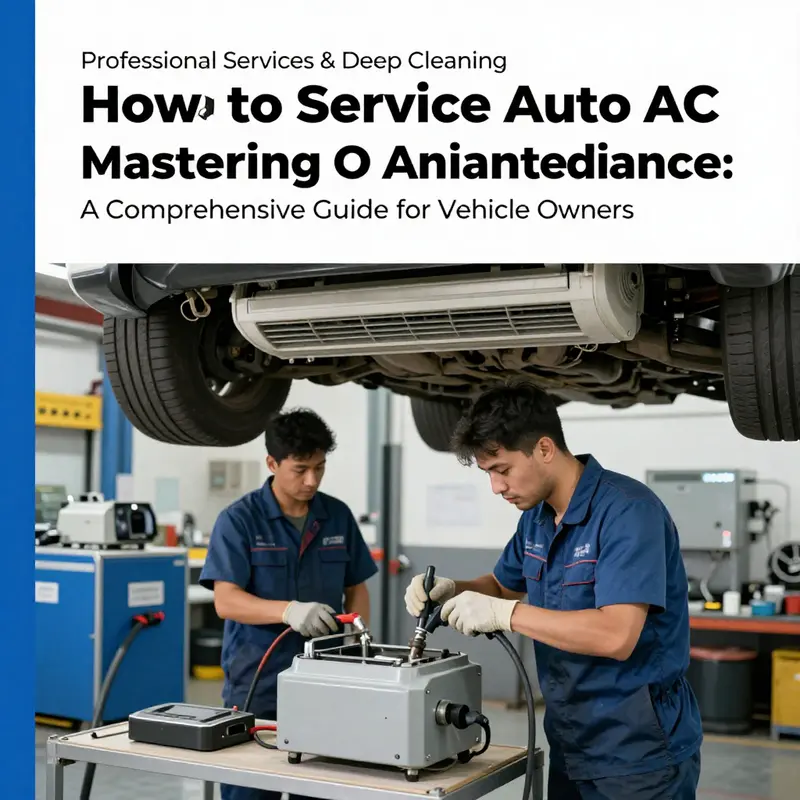
Professional services for auto AC deep cleaning are more than a convenience; they are a safeguard against inefficiency and accelerated wear. While you can handle routine tasks at home—replacing the cabin air filter, visually inspecting belts, clearing the condenser of large debris—the specialized operation known as deep cleaning demands skills, tools, and a disciplined process. In modern vehicles, the evaporator sits behind the dashboard where moisture and warmth can foster a hidden colony of mold and mildew if left unchecked. The evaporator coil and the condenser are delicate components that respond poorly to improvisation. A professional shop uses certified equipment to evacuate the system of old refrigerant and moisture, then to recharge it properly. This is essential not only for cooling performance but for the long life of the compressor and the entire refrigerant circuit. The equipment itself matters: a recovery machine that adheres to environmental regulations, a high-capacity vacuum pump that pulls down to deep level to remove moisture, and leak detection devices that can locate even tiny losses without disassembling the dash. The goal is a clean, dry, seal-tight system that behaves predictably under hot sun and heavy use.
Once the technician starts, the first step is evacuation and recovery of any remaining refrigerant with certified equipment. This step is not optional; it is both a safety precaution and a regulatory requirement. If moisture remains, it reacts with refrigerant to create acids that corrode seals and coatings, leading to unpredictable performance and potential damage to the compressor. After a complete evacuation, the system is tested for leaks using UV dye or electronic detectors. The dye helps confirm the path of any leak, while the electronic detector can pinpoint tiny seepages that can otherwise escape notice. With leaks identified and marked, the technician proceeds to remove moisture and air from the circuit using a precise vacuum pump. This stage is critical; moisture inside the system can lead to failures when refrigerant is recharged, and moisture can also compromise the lubrication balance inside the compressor.
Next comes the cleaning of the evaporator and condenser coils. Biodegradable cleaners are favored because they remove grime and organic buildup without leaving harsh residues that could contaminate the refrigerant or irritate passengers. The evaporator coil, being inside the cabin, is often the source of musty odors when mold thrives in damp conditions. A careful cleaning followed by thorough drying reduces odors and improves air quality. The condenser, located at the front of the car, acts as a heat exchanger; it can accumulate dirt, leaves, and insects that block airflow. A clean condenser can improve cooling efficiency by a substantial amount, often quoted as a measurable gain in performance. Technicians may also inspect the condenser fins for bent blades and gently straighten them to maximize airflow.
During the deep clean, the cabin air filter is replaced, and hoses and seals are inspected. Cracked hoses and aging O-rings are common failure points that allow air leakage or refrigerant leakage, undermining performance and creating odor or moisture issues. The service is a thorough check of electrical connections and the AC control module using scanners to ensure that temperature sensors and fan relays are communicating correctly. The seal between the evaporator housing and the dash can accumulate dust; a professional cleaning schedule includes resealing or replacing any worn gaskets. All this is why deep cleaning costs more than a simple recharge; it is a comprehensive refurbishment that prevents small issues from ballooning into major failures.
With the system cleaned and sealed, the technician proceeds to recharge the refrigerant according to the vehicle manufacturer’s specifications. This is not a matter of simply topping up; the technician calibrates the refrigerant charge precisely to achieve the correct pressures and temperatures during operation. The recharging is done under controlled conditions with fresh refrigerant that meets the standard specs, ensuring compatibility with seals, lubricants, and the compressor. After recharge, performance testing begins. The technician measures the cooling capacity across a range of ambient temperatures, and the temperature differential between the air entering and leaving the evaporator is evaluated. The system is run through cycles to confirm that the compressor engages smoothly, the clutch engages with a predictable click, and that there are no abnormal noises. The airflow is checked throughout the cabin to make sure there are no blockages or inconsistent distribution. If any anomalies appear, the technicians document them and may perform targeted further checks rather than a repeat full service.
Environmental safety is woven into every step. Certified technicians understand that refrigerants are hazardous and must be handled with care to prevent exposure and ozone-depleting effects. The industry follows regulatory frameworks such as EPA Section 609 in the United States, which governs the recovery and recycling of refrigerants. Proper disposal of old refrigerants and desiccants, along with the use of dye detectors and vacuum equipment, reduces the risk of releases into the air and water. A reputable shop will maintain records of the refrigerant charge and leak tests to demonstrate compliance. For consumers, this compliance offers peace of mind that the work was performed in a way that respects the environment and public health.
Deep cleaning is not a weekly or monthly task; it is a periodic investment. When done correctly, it safeguards the cooling system against moisture-induced corrosion, reduces the bacteria growth in the evaporator, and preserves the performance of the compressor. The recommended cadence generally falls in the 2- to 3-year range for professional flush and recharge, though conditions such as heavy use, extreme heat, or contaminated air intake might accelerate the need for service. Regular preventive care, including cabin filter replacement and condenser cleaning, helps extend the interval between deep cleanings. For many drivers, the deep clean becomes a critical maintenance event that restores efficiency and comfort in the hottest months and helps prevent costly repairs later on.
When choosing a shop for a deep clean, experience matters as much as equipment. Look for a facility that not only advertises AC service but also demonstrates a track record of careful refrigerant handling and environmental responsibility. Ask about their recovery equipment, how they test for leaks, what cleaners they use on coils, and whether they replace the cabin filter during the service. A trustworthy technician will show you the diagnostic steps and the results of the performance test, translating technical measurements into practical improvements you can feel in the cabin. If the shop can offer transparent pricing that reflects the work involved and a clear explanation of why the service is needed, you have found a reliable partner. You can also inquire about ongoing maintenance plans that bundle preventive care with periodic deep cleaning, a model that helps spread out the investment while keeping the system robust. For those seeking broader support from trusted service providers, some drivers contract with auto service centers that specialize in comprehensive care; these centers often provide a full range of services that include AC maintenance, electrical system checks, and general tune-ups. In the context of such decisions, a reminder that you can turn to a service that emphasizes accountability and clear communication is vital. If you want to explore options at a nearby facility, you can look into auto service resources such as car auto repair services.
After the work, run the AC system for a few minutes with the fan on high to help dry the evaporator and reset the seals. This small step reduces the likelihood of mold growth and ensures fresh odor-free air given the long-term benefits of a complete deep cleaning. The result is not just cooler air but a more reliable climate control experience that translates into driving comfort, fewer surprises on hot days, and less risk of hidden wear showing up later as expensive failures. While the initial cost of a professional deep clean may seem high, the long-term savings come from energy efficiency, reduced risk of leaks, and better overall system health. When combined with routine maintenance, the deep-clean approach creates a holistic strategy that keeps the car’s comfort system dependable without frequent surprises.
External reference: For more on best-practice guidelines, see this external resource: AC service best practices.
Final thoughts
Regular maintenance and timely servicing of your vehicle’s AC system play a pivotal role in ensuring comfort and optimal performance. By adhering to preventive care practices, monitoring key components, and seeking professional assistance when necessary, vehicle owners can significantly extend the lifespan of their air conditioning systems. Keeping AC systems well-maintained not only enhances the driving experience but also promotes safety and efficiency on the road, making it an essential task for any car owner or fleet operator.