
For private car owners, small business fleet operators, and auto repair professionals, understanding the cost of auto AC service is crucial in managing vehicle maintenance expenses. From basic recharges to extensive repairs, costs can vary widely based on several factors. This article will guide you through the basic costs of auto AC service, the various influences on pricing, common services included, and a comparative analysis of costs across different vehicle types. By shedding light on these aspects, we aim to equip you with the knowledge needed to make informed decisions about your auto AC service.
Cooling the Car, Calibrating the Cost: A Thorough Look at What Drives Auto AC Service Prices

When a car’s air conditioning falters, the first question many drivers ask is simple: how much will it cost to fix? The answer is almost never a single number. Auto AC service pricing sits at the intersection of chemistry, mechanics, regional labor markets, and the specific symptoms a system exhibits. A basic recharge to restore some chill can land around a hundred to two hundred dollars, but that figure is only the opening chapter of a longer story. The real total depends on what the system needs beyond a simple top-off. Leaks, worn hoses, failing seals, a defective compressor, or a damaged condenser can push the bill well beyond the base recharge, often into the several hundreds, and in some cases over a thousand, especially if the repair requires component replacement or extensive system restoration. The variability is the nature of the beast because automotive air conditioning is both a closed, sealed system and a complex network of parts that must function together with precision.
To understand the pricing landscape, it helps to think about the service in stages. The first stage is diagnosis. Even when you show up with a clearly named problem like weak cooling or warm air, a shop will typically run a diagnostic check to pinpoint the root cause. This step often costs a modest amount—roughly seventy-five to one hundred and fifty dollars—because identifying the exact issue can be simple or it can require specialized equipment and procedures. The diagnostic phase is not just about confirming a problem; it’s about determining whether the system simply needs a recharge or if there is a more serious fault lurking behind the dashboard.
If the diagnosis reveals a leak or a failing component, the next phase begins. Leaks are the most common and persistent drivers of cost increases. A leak can be as small as a pinhole or as extensive as a corroded line that requires replacement. Detecting leaks can involve dye tracing, electronic leak detectors, or pressure testing with specialized equipment. The cost for leak detection itself typically runs from about seventy-five to one hundred fifty dollars, depending on the method and the labor involved. However, the big expense comes when a repair is needed. Replacing hoses or seals, repairing damaged lines, or confronting a compressor that’s given up the ghost can escalate the total quickly. In many cases, the total repair cost—including parts and labor—ranges from three hundred to eight hundred dollars, and it can exceed that in scenarios where multiple components must be replaced or where the system has sustained more extensive damage.
A recurring theme in these numbers is the role of labor. Auto AC service is not just about the parts; it is about the labor hours required to disassemble components, perform precise evacuations, test the system after repair, and ensure the refrigerant is correctly charged. Labor rates vary widely by region, the shop’s level of expertise, and the complexity of the vehicle’s climate control system. Vehicles with simpler, well-sealed systems tend to need less intensive intervention, whereas older makes or models with intricate HVAC layouts can demand more time and thus higher labor costs. The age and design of a vehicle can also influence pricing, as older systems may present brittle hoses, corroded fittings, or degraded seals that complicate repair and raise replacement costs.
A crucial factor in the cost equation is refrigerant itself. The transition from R-134a to the newer, lower-GWP refrigerants has been a broad industry shift. For basic recharge or routine seasonal service, technicians may use R-134a or its modern counterpart, depending on what is approved for the vehicle. The refrigerant itself is not a one-time expense; it is a controlled quantity that must be measured and charged accurately. Modern service stations rely on dedicated AC service machines that automatically measure the correct refrigerant amount, evacuate and recycle recovered refrigerant, and ensure the system is charged to manufacturer specifications. This precision matters for both performance and compliance with environmental regulations. It also underscores why some shops include the charge as part of a single service package, which can be more transparent than an itemized line-by-line charge.
In practice, the cost landscape can be further shaped by the condition of the vehicle’s system and the specific components that fail. A failed compressor, for example, can be a particularly costly item because it is the heart of the AC system. Replacing a compressor not only requires the part itself but often a chain of related work—draining and recharging the refrigerant, flushing the system, replacing or repairing seals, and sometimes upgrading other components to match the new compressor’s requirements. Condensers and evaporators are other frequently replaced parts when the system is compromised by leaks or corrosion. The more diffuse the problem—where multiple parts show wear or damage—the higher the total bill is likely to be. In some cases, older or high-mileage vehicles present “unexpected” costs because the aging components may fail sequentially as the system is opened up and tested, turning a single visit into a multi-step process with incremental pricing.
Another factor that affects price is the shop’s approach to environmental stewardship and regulatory compliance. Reclaiming and recycling refrigerant is not optional in many jurisdictions; it is a legal requirement designed to prevent substantial ozone-depleting emissions and to minimize environmental impact. The equipment used for recovery, evacuation, and precise recharging is part of a broader process that ensures the refrigerant is not released into the atmosphere. This is where the all-in-one AC service machines mentioned in consumer guidance come into play. They are not merely conveniences; they are designed to meet EPA regulations, protect the climate, and keep the refrigerant in a closed loop. While these machines add to the upfront costs of service, they also deliver benefits—accurate charging, reduced waste, and peace of mind that the work complies with environmental standards.
Given this landscape, consumers often ask if seasonal maintenance can guard against the higher costs associated with major repairs. The answer is nuanced. Seasonal maintenance—such as a preventive check before peak hot weather—can reduce the risk of sudden, costly failures by catching small leaks or developing issues early. It is less about preventing all failures and more about extending the life of the system and maintaining peak performance. The cost for a routine seasonal service, including a basic recharge and a diagnostic check, is typically much lower than waiting for a breakdown that requires extensive repairs. In that sense, routine maintenance is a form of financial protection, much like an annual check-up for the heart of a car’s climate control.
For readers who want concrete examples of how pricing can be framed in a real shop, imagine a scenario that might unfold in many neighborhoods. A car arrives with air that just barely cools, and a quick scan reveals a minor refrigerant loss. The technician quotes a diagnostic fee of about a hundred dollars, then proceeds to recover the system, evacuate old refrigerant, and recharge with the appropriate refrigerant. If the leak is not found, the charge may end up being a part of the service package. If a leak is detected, the shop identifies the source and estimates a repair that could involve replacing a hose, sealing a joint, or even replacing a component like the compressor. The final bill would then reflect parts and labor—likely landing somewhere in the three to eight hundred-dollar range for a mid-range fix, with potential for higher costs if multiple components require attention.
The key takeaway is that price transparency in this space hinges on clear communication and a shared understanding of what each line item represents. A reputable shop should be able to explain what a diagnostic fee covers, what the replenished refrigerant quantity will be, and what the expected range is for any parts replacement. They should also outline any potential outcomes—such as whether a second visit will be necessary if a leak is not localized on the first pass. For car owners, the path to budgeting wisely is to anticipate the possibility of staged work rather than a single unexpected expenditure. In many markets, seasonal maintenance plans or service bundles are available, offering predictable pricing for routine needs without surprising add-ons.
In this context, it can be helpful to think about service pricing as a conversation rather than a single price tag. A good technician will discuss what a recharge accomplishes given the vehicle’s current condition, what a leak test reveals about the system’s integrity, and what protective steps are needed to restore long-term reliability. The dialogue should also cover the implications of refrigerant type, the potential need for dye testing, and the environmental responsibilities the shop bears in recovering and recycling refrigerant. This level of transparency helps customers understand not only the price but the value—improving cooling performance, extending the life of the HVAC components, and safeguarding the air quality inside the vehicle.
For readers who wish to connect this information to local service experiences, consider exploring a nearby shop’s published overview of its services. A page such as AA Auto Service Chicago provides practical context on how a local provider frames its offerings, from diagnostics to refrigerant handling and system repair. The depth of explanation and the clarity of the quoted costs can illuminate how the broader market operates, even if the exact figures vary by region. See AA Auto Service Chicago for a concrete example of how a local auto service shop discusses AC work in a way that helps customers plan ahead and understand what they are paying for. AA Auto Service Chicago.
Ultimately, understanding the cost of auto AC service comes down to recognizing that the number you see is not a single fixed price but a reflection of the system’s health, the vehicle’s age, the refrigerant type, regional labor markets, and the shop’s commitment to reliable, environmentally responsible practice. A basic recharge may be affordable and sufficient for some vehicles in good condition, while others will require a more substantial investment to restore function and prevent future breakdowns. The best approach is to anticipate potential expenses, obtain a diagnostic assessment before any significant repairs, and seek a transparent, itemized quote that explains both the necessity of each service and how it will affect the system’s performance.
As you plan, keep in mind that the goal of auto AC service is not merely to lower the cabin temperature but to restore consistent cooling, prevent compressor strain, and maintain the refrigerant’s integrity within the system. When done correctly, a well-maintained AC system delivers reliable comfort, preserves the vehicle’s interior materials by preventing heat damage, and helps ensure that the car’s overall climate control performance remains stable through the hottest days. That broader value—comfort, durability, and environmental responsibility—often justifies the cost, especially when a service is approached with foresight rather than as an afterthought.
External reference: For a deeper technical perspective on how service stations implement refrigerant management and ensure compliance with environmental and safety standards, see https://www.machinerytrader.com/automotive-ac-service-station-types-technical-features-and-how-they-are-used-in-engineering-projects/.
Behind the Gauge: What Really Drives Auto AC Service Costs
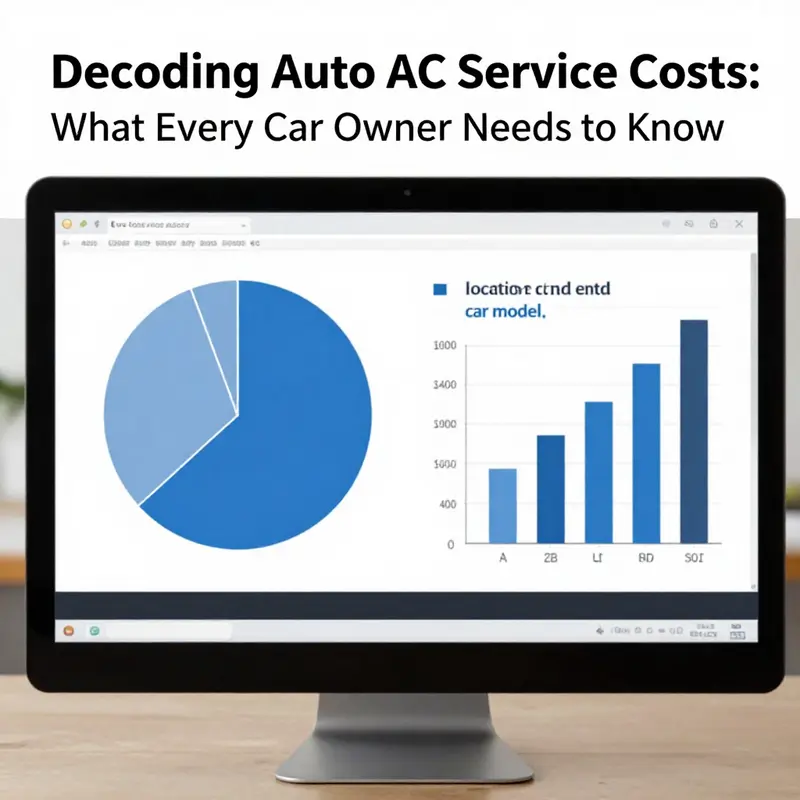
On hot days the car’s AC system becomes a quick refuge, but the price tag for service is not a single fixed amount. It reflects design complexity, the specific service needed, and where the work is performed. Understanding these factors helps owners move from sticker shock to informed decisions that balance reliability and value. At its core, price is tied to the system’s stock, labor, refrigerant, seals, age and design, and the local economy shaping hourly rates. The most reliable estimates come when diagnostics are combined with transparent pricing practices.
The first major driver is the vehicle itself. Not all AC systems are equal. Luxury brands and high end models often have more intricate layouts, additional sensors, more channels in the evaporator, and tighter integration with electrical and refrigerant management software. They require specialized tools and technicians trained to handle advanced refrigerants and the exact ducts and components. Older cars may present challenges too, with harder to source parts or degraded components. In both cases, complexity tends to raise labor and sometimes part costs, so two cars with similar mileage can yield different service invoices once the system is opened. When a shop has to remove dashboards or replace a compressor in a tight bay, hours rack up and the bill grows. The takeaway: the more intricate the system, the higher the potential cost, even before any part is replaced.
The type of service required is the next decisive factor. A straightforward top-up or recharge is the lowest-cost option, but simple recharges are rarely enough if seals have aged or leaks exist. If a leak is present, the technician will perform diagnostic tests to locate it, which may involve pressure testing, dye tracing, or other methods. Repairing damaged hoses or seals, or a compromised connector, then becomes necessary, and the system must be recharged after the fix. Sometimes the repair goes beyond a single part and addresses the root cause, such as a failed compressor or a corroded condenser. A complete system flush and recharge can add substantial cost, especially if multiple components are involved. Diagnostics are crucial; a shop that includes a diagnostic check helps owners understand the path forward and avoid unnecessary parts or services.
Labor rates and geography loom large. The hourly rate depends on location, overhead, and whether the shop is a dealership, independent, or part of a national chain. Dealerships generally command higher rates due to overhead and brand-trained technicians. Independents may offer more flexible pricing and possibly lower parts costs. In major metro areas or in regions with higher costs of living, prices can be higher than in rural towns. Regional differences amplify when considering parts and refrigerants. A simple recharge in one city may carry a different price tag than in another, so many customers benefit from obtaining itemized estimates that separate labor, refrigerant, and diagnostic fees to compare apples to apples.
Geography intersects with refrigerant economics. Modern systems often use a newer refrigerant in newer cars, which can be more expensive than older refrigerants. The refrigerant cost depends on vehicle, refrigerant type, and whether the system is recharged or exchanged under warranty. Environmental compliance adds to the cost: proper evacuation, recovery, and disposal require equipment and certified technicians. These practices minimize environmental impact and ensure the system is charged to the correct specification.
The severity of the problem is a blunt driver of cost. A minor issue, such as a slow leak or a brief low charge, may keep costs modest. If the compressor fails or the condenser is damaged, repairs become more extensive. Replacing a single stubborn component can cascade into larger bills. A failed compressor, for example, incurs part cost plus labor to access, install, and properly integrate with the refrigerant circuit and electrical controls. When multiple components fail or leaks exist across the system, the total can reach levels where replacement is more sensible than repair. Transparent, itemized pricing helps owners compare options and plan accordingly.
Communication and documentation matter too. A credible shop provides an itemized estimate listing diagnostic steps, possible root causes, the planned fixes, refrigerant type and charge, part lifetimes, and any warranty. Detailed estimates protect customers and create a reference for future issues. Seasonal demand can nudge prices upward in peak heat, as shops experience higher volumes. Regular maintenance helps avoid spikes by catching leaks and issues early. Keeping service records helps predict future needs and budget for recurring costs.
Navigating AC costs means framing maintenance as preventive care instead of reactive fixes. Routine checks – refrigerant levels, hose and seal inspections, leaks testing, and condenser cleaning – can extend system life and prevent major failures. When discussing prices, request an upfront diagnostic that outlines the likelihood of leaks, potential repairs, and approximate costs for each scenario. Some shops offer diagnostic fees fixed or complimentary with the work order; others bill separately. The value shows up when it yields clarity about the best course – minor recharge, targeted seal replacement, or a major component upgrade. Comparing multiple quotes and seeking itemized estimates helps balance cost with reliability. Keeping records of service intervals helps predict future needs and budget more predictably.
Unraveling the Price Tag on Auto A/C Care: What Your Service Really Costs
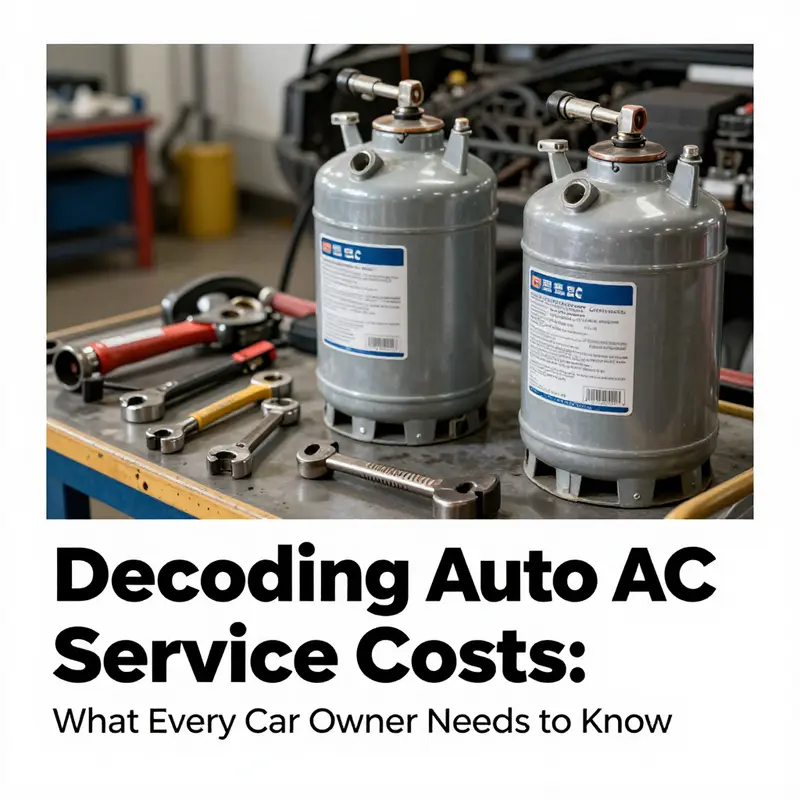
When a car’s air conditioning stops delivering a cool breeze, the first question isn’t always how to fix it, but how much it will cost. The price of auto A/C service is not a single figure. It shifts with location, the car’s make and model, and the specific work the system needs. A simple refrigerant recharge, in many shops, is a modest investment compared with more extensive work that touches the heart of the system. In general terms, a basic recharge or topping up of refrigerant can hover in the range of a few tens to a couple hundred dollars, but that only covers a narrow slice of possible repairs. The same appointment may balloon into a cost well into the hundreds or even thousands if leaks are found, components are damaged, or the system requires evacuation, repair, or replacement. The numbers you see on a first quote are almost never the final tally. Diagnostics often uncover root causes that require multiple steps and parts, each with its own price tag. To navigate these twists with some confidence, it helps to understand the typical services that commonly appear under the umbrella of auto A/C care and how each contributes to the overall bill.
At its core, auto A/C service begins with a diagnostic step. Even for a car that has begun to show a decline in cooling, technicians will check the visible and operational elements of the system before committing to a repair plan. This diagnostic phase is essential, because the same symptom—air that isn’t as cool as it should be—can stem from a low refrigerant level, a vacuum leak, a failed compressor, a clogged condenser, or a host of less dramatic issues like a dirty cabin air filter or a faulty pressure switch. The diagnostic cost is typically folded into a broader service estimate, but it can stand alone in some shops. The key point is that a thorough diagnosis often saves money in the long run by preventing unnecessary replacement of parts that are still functioning, or by identifying a leak early before substantial refrigerant is lost.
Refrigerant recharge is the most common, straightforward service, and it’s the one most owners notice first when cooling performance falters. If the system has a leak or has long been operating with too little refrigerant, topping it up may restore proper cooling temporarily. The price for a recharge often ranges from roughly $30 to $150, depending on the vehicle and the shop’s pricing structure. Some shops include a leak check as part of the recharge, while others bill it separately. The range reflects differences in refrigerant type, the amount required, and labor. In many modern service settings, a precise, electronically measured charge is used to ensure the system receives exactly what it needs. This precision helps protect EPA regulations and ensures the system isn’t overcharged, which can be as damaging as undercharging.
Yet a recharge is not a cure-all. If the recharge reveals a persistent leak or the system remains weak after topping up, the underlying issue must be addressed. Leaks are a frequent culprit, and locating them can be straightforward or maddeningly tricky depending on the car. Leak detection services, when needed, can cost between about $150 and $500, depending on whether the leak is easy to pinpoint or resides in a more complex, hard-to-reach area. The cost reflects the specialized equipment used, such as electronic leak detectors or dye-based methods, and the labor required to trace flow paths through metal lines, joints, and seals. In many cases, a repair to the leak fixes the cycle for a long period, but some leaks demand more extensive work.
Major component failures dramatically alter the price equation. The compressor sits at the core of the A/C system; it drives the refrigerant through the system and generates the pressure needed for cooling. Replacing a compressor is a substantial undertaking that can cost from about $800 to $1,500, and in luxury or high-performance applications the price can exceed $2,000. The labor intensity is high because the compressor is often integrated into the accessory drive belt system and interconnected with multiple lines and sensors. If the problem is a malfunctioning electromagnet clutch—what engages the compressor—repair costs are more modest, typically ranging from $200 to $400. In some cases, replacing just the clutch assembly can restore operation without replacing the entire compressor.
Other big-ticket items include the condenser and the evaporator. The condenser, located in front of the radiator, acts as a heat exchanger to dissipate heat from the refrigerant. If it is damaged or clogged by debris, it can impair cooling and require repair or replacement in the ballpark of $200 to $600 most of the time. The evaporator, tucked inside the dashboard, is more labor-intensive to service or replace. Cleaning the evaporator core to remove grime, mold, or mineral buildup can cost about $100 to $200, while complete replacement is commonly in the range of $500 to $1,200 due to the complexity of disassembly and reassembly of the vehicle’s instrumentation and ducts.
Other components also factor into the total. The expansion valve, which modulates refrigerant flow into the evaporator, can cost roughly $150 to $400 to replace. The cabin air filter, a less dramatic but still important maintenance item, helps preserve interior air quality and efficiency. Its replacement is generally cheaper, around $30 to $100 depending on the filter type and labor time. If the system was contaminated or requires an overall flush and cleaning to remove contaminants, that service can run about $100 to $200. A full system flush might be recommended when contaminants have spread through the lines, and it adds another layer to the overall cost but can be important for long-term reliability.
The price you ultimately pay will also reflect other practical realities. Labor rates vary widely by region and shop, and the vehicle’s age, design, and accessibility of the components influence how long work takes. Some vehicles have particularly compact or integrated A/C setups, making even routine service more time-consuming. Seasonal demand can push prices upward in peak periods, just as it does with other mechanical work. The refrigerant itself has cost implications as well; while the pure cost of the gas is relatively modest per ounce, the amount needed for a given car, plus the disposal and recovery process, adds up. Shops that operate with advanced, automated measurement and dispensing equipment can deliver precise charges and improve accuracy, which reduces the likelihood of repeat visits for the same issue. These systems also help ensure that recovered refrigerant is properly handled and stored, aligning with environmental and regulatory expectations.
The best way to approach a bill for auto A/C service is to start with a diagnostic and a clearly itemized estimate. This approach helps prevent sticker shock and clarifies what is essential now and what can wait. Ask the shop to break out labor time, parts, refrigerant quantity, and any diagnostic fees. If a price seems high, request a second opinion or an itemized comparison of two repair paths—one focused on fixing the symptom with a recharge and leak repair, the other taking a more comprehensive route that replaces key components. In many cases, a repaired connection or a replaced valve may fix the issue at a fraction of the cost of a full compressor replacement; in other cases, a failing compressor is the most economical long-term option.
For readers who want a practical sense of how these costs accumulate, consider the scenario of a vehicle with a slow-leaking system that requires a dye-based leak test, line replacement, and a recharge. A typical sequence would begin with diagnostic checks and leak testing, then proceed to repair the line or component that leaks, followed by evacuating the system and recharging with the correct refrigerant. The total could easily land in the $500 to $1,500 range, depending on whether a single line or multiple components must be replaced and how much labor is involved. In contrast, a straightforward recharge for a vehicle with a healthy system and a minor refrigerant loss might stay near the lower end of the spectrum, around $100 to $200 when no major repairs are required.
It’s also worth noting the value of preventive maintenance and proper maintenance scheduling. Many shops offer seasonal checks that verify refrigerant levels, inspect hoses and seals for signs of wear, and confirm that the cabin air system is functioning as intended. These checks are not glamorous, but they can prevent more expensive failures by catching problems early. They also help you avoid paying for unnecessary work when the system is still sound. The aim is to restore and maintain performance while protecting the environment, thanks to responsible refrigerant handling and disposal practices. In that sense, the cost landscape for auto A/C service mirrors a broader truth about automotive care: what you pay today can save you from costlier surprises tomorrow if you keep up with timely, targeted maintenance.
If you’re trying to gauge how to budget for an upcoming A/C service, a practical path is to request a diagnostic-first approach from a trusted technician and ask for an itemized estimate before any work begins. Look for a shop that offers a transparent assessment and explains the trade-offs between repairing a single part and replacing larger sections of the system. A reputable shop will also explain how they determine the exact refrigerant charge and why it matters for efficiency and compliance. While many shops will accommodate seasonal maintenance plans, those plans should still be explicit about what is included—refrigerant checks, filter replacements, and vacuum tests, for example—and what would incur extra charges beyond the base service.
For readers who want a short, practical takeaway: expect a basic recharge to come in roughly from $30 to $150, with the most common guidance pointing toward roughly a few hundred dollars for routine service, and up to several thousand for major component replacement in more complex cases. If a diagnosis reveals a major fault, consider whether the repair is economically sensible given the car’s age, value, and overall condition. Some vehicles may reach a point where continued repair costs exceed the value of the vehicle or where the remaining life of the car makes a replacement a wiser choice. The decision is not purely financial; reliability, comfort, and the safety of the occupants matter, and a well-functioning A/C system contributes to a better driving experience in all climates.
To tie the practical advice back into real-world decision-making, consider leveraging a concise overview of common service options and what they entail. For readers who want a quick reference that captures the essence of what a service package typically includes, there is a dedicated overview page that collates these options in a straightforward format. This resource can be a helpful anchor when comparing quotes from different shops and when planning maintenance around seasonal needs. You can explore that overview here: a-plus-auto-service-overview.
In summary, the cost of auto A/C service is not a single figure but a spectrum shaped by the problem, the car, and the service plan chosen. A cautious approach—beginning with diagnosis, requesting itemized quotes, and weighing the trade-offs between repairing and replacing—will usually protect you from overpaying while ensuring the system remains effective. The A/C system is, after all, a complex network of sealed lines, heat exchangers, and climate control interfaces that must work together. Proper refrigerant handling and service not only restore comfort but also safeguard the vehicle’s efficiency and longevity. As with many automotive systems, transparency and thoughtful questioning are your best tools for arriving at a fair price that reflects the work required and the value received.
External resource: https://www.microsoft.com/en-us/support/
The Price of Cooling: A Thorough Look at Auto AC Service Costs Across Vehicle Types

The cost of keeping a car’s air conditioning system reliable is more than a single number. It is a moving target shaped by the vehicle’s size, its cooling system’s complexity, the local market, and the exact services your shop deems necessary. For many drivers, the question isn’t just, “How much does an AC recharge cost?” but rather, “What am I paying for, and how can I tell if the price is fair for my particular car?” The most basic refill, often labeled as a recharge or a top-off, comes with a price that seems straightforward at first glance. In typical scenarios, a simple refrigerant refill sits in the vicinity of a hundred to two hundred dollars. That range reflects the core service: replenishing the refrigerant to the correct level, testing the system for leaks, and confirming that the air is cooling to the expected temperature. However, the moment your technician finds that the system has a leak, or that some component has failed, the bill can climb quickly. This is where the narrative about car AC costs diverges from a single line item to a constellation of possible charges, each dependent on the vehicle and its condition. The cost then becomes a map, guiding you through possible repairs, parts, and labor needs, rather than a fixed price tag attached to a refill alone. In practice, many shops begin with a diagnostic check to identify the root cause before presenting a detailed quote. This approach is not just about protecting a customer’s wallet; it’s about safeguarding the system and the environment, because refrigerants must be recovered, recycled, and disposed of according to environmental and safety guidelines. The basic recharge is the easy part, but once a leak appears or a component shows wear, the price axis shifts dramatically. A thorough understanding of how costs scale with vehicle type can empower drivers to budget, compare quotes, and decide when it’s worth pursuing a repair rather than deferring it until the next hot day when a failure is more obvious but not necessarily more affordable. Within this broader picture, the vehicle’s size and its cooling architecture emerge as significant drivers of price. A compact sedan usually requires less refrigerant and has a system with simpler access to the service ports, which translates into lower labor time and parts costs. In contrast, larger vehicles such as SUVs and trucks often demand more refrigerant, more labor for disassembly or component access, and potentially more expensive seals and fittings. All of this compounds the total price, even before new parts come into play. The math is not merely about gallons of refrigerant; it also accounts for the complexity of the system, the routing of lines, and the proximity of the components that must be serviced. The cost ladder broadens when we step into luxury or high-performance territory. In these cases, technicians may face proprietary components, more elaborate cooling circuits, and the use of specialized refrigerants. The result can push the price well beyond the basic recharge, entering a range where a routine service blends into a diagnostic-and-repair process. At this tier, the technician’s skill and the shop’s diagnostic tools become pivotal. Advanced tests, including pressure tests, leak detection with electronic sensors, and sometimes even module-level diagnostics for climate control software, can be required. The labor time expands as well, since technicians may need to carefully isolate the fault, perform multiple tests, and potentially replace or recalibrate several parts. The price for high-end vehicles thus reflects both the expense of specialized parts and the investment in technician expertise. In the realm of electric vehicles, the landscape shifts again. While EVs do not rely on the same engine-driven compressor found in traditional internal combustion engine cars, their climate systems can still demand professional attention. Routine maintenance for EVs might cost less than the steepest charges seen on luxury gasoline cars, but repairs involving the inverter or battery cooling system can be substantially more expensive. These systems depend on high-voltage components and sophisticated control software, and as a result, certified technicians with specific training are essential. The cost bracket for EVs in routine maintenance may fall within a moderate range, but the spectrum widens quickly if a cooling subsystem that interacts with high-voltage safety networks requires attention. When thinking about seasonality, it is common to notice a shift in prices as summer heat peaks. Demand for AC services climbs when drivers need relief from the heat, which can lead to longer wait times and, in some markets, higher labor rates. Conversely, the winter lull may reduce wait times and pricing pressure as demand dips. This is not a hard rule, but it is a pattern that savvy customers observe, especially if they plan services around the change of seasons. The variability in pricing across locations matters too. A repair that might cost a few hundred dollars in one city could be priced significantly higher in another, simply due to local wage scales, shop overhead, and the availability of skilled HVAC technicians. It is worth noting that the system’s design and the accessibility of its components influence the ease with which a technician can perform the work. Some cars feature tightly packed engines and compact service bays, where even a simple recharge becomes a careful operation to avoid spills and protect nearby sensors. In such cases, labor costs can rise as technicians take extra care to work in tight spaces, check hoses, and verify that the system is sealed properly after the recharge. These considerations illuminate why the same nominal service can carry different price tags across different makes and body styles. To navigate this landscape, it helps to understand the typical price bands and what they imply. For compact and mid-size sedans, the cost spectrum for a routine AC service tends to be around seventy-five to one hundred twenty-five dollars. This modest range reflects simpler systems, straightforward access, and lower refrigerant volumes. It is the kind of price one expects when the system is functioning properly and the charge is simply a refill or a routine inspection. When you move into SUVs and light trucks, the numbers tend to rise, with a typical range of roughly one hundred fifty to three hundred dollars. The additional refrigerant, more elaborate circuits, and the greater labor needed to reach service ports and components push prices higher. If your vehicle falls into the luxury or high-performance category, you should anticipate a broader and higher ceiling—roughly four hundred to six hundred dollars, or more in some cases. The elevated costs here are driven by the use of specialized refrigerants, the need for elite diagnostic capabilities, and the greater likelihood that a leak or worn component will require more extensive repair work. For electric vehicles, routine maintenance often falls between two hundred and five hundred dollars, depending on the exact system configuration and service performed. However, when the focus shifts to the cooling system’s high-voltage control elements or battery-cooling-related components, the price can escalate quickly, sometimes into the thousands, particularly if a major component is implicated. In all cases, the presence of a leak changes the economics substantially. Even a small leak forces the technician to perform precise leak testing, evacuate refrigerant safely, and replace seals or hoses to restore integrity. If the compressor or condenser has failed, the replacement cost can be substantial, beyond the simple recharge, because the part price plus labor can add up. And this is where the value of a comprehensive diagnostic becomes clear. A diagnostic check helps separate routine maintenance from the truly expensive fixes, and it is the right first step when costs are unclear. Some shops may offer a bundled diagnostic and refill price, while others quote components and labor separately. Either way, drivers benefit from requesting a written estimate that lists parts, labor, and any environmental charges or recycling fees. It’s also wise to ask about refrigerant type and the facility’s compliance with EPA regulations. Modern systems are designed to work with specific refrigerants, and improper handling can incur regulatory penalties or environmental harm. Reputable shops typically employ equipment that automatically measures the correct refrigerant charge and precisely dispenses it, ensuring accuracy and compliance. This automation can be a safeguard against overcharging or undercharging, which protects the system’s performance and longevity. When budgeting, it is helpful to view the AC service as a multi-step process rather than a single line item. The first step is the diagnostic or inspection. The second is refrigerant verification or recharge if the system is leak-free. The third comprises any necessary repairs—leaks, hoses, seals, compressors, condensers, or evaporators. In some scenarios, the fourth step may involve recharging and retesting the system after repairs to ensure it operates within the desired temperature range. Each step carries its own risk of added cost, but understanding the sequence makes it easier to track where your money goes and to compare quotes across shops. For consumers who want to arm themselves with pricing insight, several practical strategies help. Start with a few local shops and ask for a written estimate that breaks down the charges. In addition to labor and parts, request information on environmental handling and any disposal fees. Check whether the shop is certified to work on your vehicle’s climate control system and whether they use automatic charging equipment, which can improve accuracy. If you’re contemplating a larger repair, ask for a parts-and-labor estimate that itemizes the compressor, condenser, hoses, or other components the technician plans to replace, so you can see where the cost is coming from and compare against alternative parts options. For those who want to ground their expectations in a broader context, a broader cost reference like RepairPal’s guide can provide a useful benchmark. It consolidates data across vehicle types and regional markets to give a comparative sense of how repairs are priced. While the exact figures will still depend on your car and location, having a general sense of the range can help you recognize a fair quote when you see one and flag prices that seem unreasonably high or suspiciously low. To connect with the practicalities of shopping for AC service, consider how a shop presents its process. A well-structured shop will discuss the diagnosis, the expected refrigerant quantity, and the rationale for any needed repair. They will explain the trade-offs between using a standard or a specialty refrigerant and will outline the steps to verify that the system is free of leaks after the work is complete. This clarity is part of good customer service and part of responsible car maintenance. The reality is that keeping a car’s AC system in good shape does not come with a single verdict or a one-size-fits-all price. It is a negotiated balance between the car’s design, its age, its current condition, and the local service environment. What remains consistent across all vehicle types is the central idea that a transparent diagnostic and a clear, itemized estimate are worth prioritizing. They help you understand whether you are paying for essential parts and safe, compliant service, or simply for a quick top-off that won’t address an underlying problem. In the end, the goal is to restore reliable cooling without surprises on the bill. It is a goal achieved through careful diagnostic work, the right choice of parts, and a fair labor framework. If you want to get started on pricing conversations with a local shop, a quick-and-reliable resource is to peruse an overview that outlines typical service structures and pricing methodologies used by many auto service providers. This can give you a sense of what to expect and help you prepare a thoughtful set of questions for your technician. As you prepare, keep in mind that the cheapest option is not always the best option for an AC repair, especially when leaks or component failures are involved. A lower upfront price may signal fewer inspections or a risk of inadequate remedies, while a higher bid that includes a thorough leak test, high-quality replacement parts, and proper refrigerant handling often reflects a focus on long-term reliability. If you are curious about how service approaches may differ across vehicle types, you can start with a general guide that explains the pricing landscape for auto service, including cooling system work, and then tailor the insights to your own car. This approach helps avoid sticker shock and supports a more informed decision when you are faced with a repair bill on a hot afternoon. For more precise estimates tailored to your vehicle and location, consult a trusted mechanic or use online platforms that aggregate regional quotes. And when you are ready to compare quotes, remember to ask for a detailed breakdown, confirm the refrigerant type, verify the expected repair parts, and ensure that the shop will handle refrigerant recovery and disposal in compliance with environmental standards. The conversation you have with the technician is as important as the dollar figure itself, because a clear plan for diagnosing and repairing the system early on can prevent a cascade of costs later. In practical terms, this means asking pointed questions about what leaks were found, whether the compressor or condenser is suspected, and how the shop will verify that the system remains sealed after service. It also means understanding the limits of a simple recharge if no leaks are detected, and recognizing when a system requires more invasive work. Those are the moments that determine not just how much you spend today, but how long your car will stay cool and comfortable in the seasons to come. For a straightforward reference that helps frame your expectations, you can consult a general auto service overview that describes pricing structures common in the industry. The page explains how shops typically price diagnostics, refrigerant charges, and repairs, and it can help you prepare a concise, written quote request before you authorize any work. This is especially useful if you are balancing multiple vehicles or managing periodic maintenance across a fleet. Ultimately, what matters is a predictable, transparent process that respects both your budget and your car’s cooling needs. By recognizing the role of vehicle type, system complexity, and the possibility of hidden issues like leaks, you stay equipped to navigate the pricing landscape with confidence. The goal is not to chase the lowest price, but to secure a fair estimate that reflects the work required, protects the integrity of your system, and keeps you cool when the temperature climbs. As you plan ahead, consider scheduling a pre-season check-up for your AC system, even if you aren’t currently experiencing symptoms. A proactive inspection can catch small leaks or developing problems before they become expensive replacements. And when you do need service, approach the conversation with a clear understanding of the service stages, the likelihood of associated costs, and a plan for testing the system after repair to ensure long-term performance. For readers seeking a practical starting point, explore the overview page that outlines how pricing is structured in auto service and what you should expect in terms of diagnosis, parts, and labor. A+ Auto Service Overview. This resource can help you frame conversations with your local shop and set realistic expectations for both price and service quality. For broader cost context beyond your city or state, refer to external data sources that aggregate prices and provide comparative benchmarks for AC repairs by vehicle type. These references can help you assess whether a quoted price aligns with typical market patterns and offer a reasoned basis for negotiating with a service provider. By combining a careful diagnostic process, a clear line-item estimate, and a sense of typical price bands across vehicle categories, you can approach AC service with a steady hand and a more precise budget. The goal remains simple: restore dependable cooling, protect environmental responsibilities, and avoid surprises when the bill lands in your inbox. To close the loop on the broader pricing conversation, it is useful to anchor your expectations to a recognized reference that compiles average costs by vehicle type, acknowledging that your individual vehicle may differ. External resource: https://www.repairpal.com/blog/average-car-ac-repair-costs-by-vehicle-type
Final thoughts
Understanding the costs associated with auto AC service is essential for effective vehicle maintenance and budget management. By recognizing the basic charges, the factors that influence them, the common services offered, and how prices vary by vehicle type, you can better prepare for any AC service needs. Armed with this knowledge, you can make informed decisions, ensuring your vehicle remains comfortable and efficient throughout the seasons. Proper maintenance of your auto AC system not only enhances driving comfort but is also crucial for the longevity of your vehicle.