
Navigating the realm of auto repair and maintenance can be daunting, especially for private car owners, small business fleet operators, and auto dealerships. A & A Truck and Auto Services stands out as a steadfast ally in Glenolden, Pennsylvania, catering to diverse automotive needs with a commitment to quality and customer satisfaction. This article delves into the comprehensive services offered, the exceptional customer experience that awaits, and the prime location that makes A & A Truck and Auto Services a convenient choice for all automotive requirements. By exploring each chapter, readers will gain a holistic understanding of how this reliable auto repair shop can meet the varied needs of individuals and businesses alike.
A & A’s Complete Care: How Glenolden’s Shop Handles Every Repair and Maintenance Need

A & A’s Complete Care: How Glenolden’s Shop Handles Every Repair and Maintenance Need
A & A Truck and Auto Service operates as a full-service repair center that serves both passenger cars and heavy trucks. From routine checkups to complex overhauls, the shop brings a practical, hands-on approach. This chapter describes how the business organizes its offerings, what customers can expect, and how a consistent focus on quality keeps vehicles safe and reliable on the road. The narrative follows service from the first inspection to the final test drive, showing how each step contributes to long-term performance.
When a vehicle arrives, the process begins with a careful intake and visual inspection. Technicians note vehicle history, recent complaints, and any dashboard warnings. A clear, spoken diagnosis comes next, based on data and experience. This early communication is critical. It sets expectations and reduces surprises. The shop uses diagnostic tools and hands-on checks to identify both obvious faults and hidden problems. The goal is always a repair plan that balances safety, cost, and longevity.
Routine maintenance forms the backbone of the shop’s work. Regular oil changes, fluid checks, filter replacements, and brake inspections keep vehicles running efficiently. These tasks are not simply procedural. Each step provides clues about future issues. A worn belt discovered during a routine service may reveal timing or alignment faults. Low coolant could indicate a leak. Technicians treat routine maintenance as an investment in future reliability, catching issues before they escalate into costly repairs. That preventive mindset reduces downtime for drivers and extends a vehicle’s usable life.
Beyond routine tasks, the shop handles complex repairs that require experience and specialized equipment. Engine problems, transmission faults, and electronic malfunctions receive thorough attention. For engine work, technicians perform compression and leak-down tests, evaluate fuel and ignition systems, and inspect mechanical components. When rebuilding an engine, they follow precise procedures to ensure tolerances and clearances meet or exceed specifications. This level of care restores performance and helps prevent future failures.
Transmission work receives similar depth. Technicians diagnose slipping, hard shifts, and fluid contamination. They check hydraulic circuits, solenoids, and valve bodies. Rebuild or repair decisions depend on damage extent and cost-effectiveness. Whenever feasible, the team opts for repairs that preserve the vehicle’s original components while returning smooth, reliable operation.
Preventive maintenance is the thread that ties many services together. Scheduled inspections, seasonal checks, and targeted tune-ups keep vehicles prepared for changing conditions. Tires, brakes, and suspension systems receive focused attention. The shop inspects wear patterns, measures tread and pad thickness, and evaluates alignment. Addressing imbalance, uneven wear, or alignment drift prevents handling problems and uneven tire wear.
Trucks bring additional demands. Larger brakes, heavier loads, and more aggressive duty cycles mean inspections must be more rigorous. The team has experience working on commercial vehicles, where downtime costs real dollars. Fleet customers receive service plans designed to maximize uptime. Those plans include scheduled maintenance, prioritized repairs, and documentation that supports compliance with industry regulations. For local businesses, this reliability reduces unexpected breakdowns and preserves delivery schedules.
Parts sourcing matters. The shop’s technicians select components based on fit, durability, and cost. Where possible, they use quality replacement parts with good warranties. For older or specialty vehicles, sourcing can be creative. The team balances new and remanufactured parts to meet budget constraints while preserving performance. Clear explanations of parts choices help customers make informed decisions. When a suggested repair option exists, technicians outline expected lifespan differences and the possible trade-offs.
Transparency extends to pricing and timelines. Customers receive estimates that explain labor, parts, and any diagnostic fees. When unexpected problems appear, the shop contacts the owner with options. That communication prevents surprises and lets drivers decide which path to take. Time estimates are realistic. The shop avoids promising impossible turnarounds. When work requires longer lead times or special parts, the team explains why and offers interim solutions where safe.
Quality control is more than a final checklist. After repairs, technicians perform road tests that mimic real-world conditions. They verify that engine performance, transmission shifts, braking response, and electronic systems work properly. A completed repair includes a clear summary of what was done and why. This record becomes valuable for warranty claims and future diagnostics. Customers who return often provide service history that gives technicians insight into recurring patterns.
Customer experience is woven through every interaction. The reception area and staff create a calm, professional starting point. Staff explain service steps in plain language and answer questions about guarantees and follow-ups. For some drivers, a loaner or shuttle service is available. For busy fleet managers, flexible scheduling and prioritized bays reduce wait times. The shop’s location in Glenolden provides convenient access for both private drivers and local businesses.
Technician skill and training underpin all services. The team brings years of hands-on practice combined with ongoing training. They keep up with diagnostic equipment, evolving engine designs, and emissions systems. This continuous learning allows the shop to handle late-model electronics and modern fuel systems as confidently as older mechanical designs. The combination of practical experience and updated knowledge makes a difference when complex faults arise.
The facility’s equipment supports a broad scope of work. Heavy-duty lifts, diagnostic scanners, and specialized tools ensure that both cars and trucks get appropriate service. For engine rebuilding, precision measuring tools and machining capabilities maintain correct tolerances. Transmission service bays facilitate fluid exchanges and deeper repairs. Proper ventilation and safety systems protect staff and vehicles during intense procedures. The environment is set up for thorough, reliable work.
Preventive reasoning shapes the shop’s recommendations. Instead of replacing parts on a fixed schedule alone, technicians consider usage patterns. A vehicle that spends time on highways experiences different stresses than one used for short urban trips. Seasonal factors like winter salt can accelerate corrosion. The shop tailors advice to each vehicle’s real-world demands. This individualized approach helps owners avoid unnecessary spending while preventing avoidable failures.
Documentation and record-keeping strengthen long-term vehicle care. Each visit generates a clear report of findings, repairs, and recommended follow-ups. These notes help the shop spot trends across visits. For example, repeated cooling-system complaints may indicate a slow-developing head gasket issue. Fleet managers appreciate consolidated records that simplify maintenance planning and budgeting. For private owners, a reliable service history preserves resale value.
Safety is paramount in every operation. Brake work follows strict inspection standards. Steering and suspension repairs include geometry checks and torque verification. Electrical repairs include thorough testing to ensure connections and fuses perform correctly. When dealing with fuel systems or exhaust leaks, technicians apply careful procedures that minimize risk. The shop’s focus on safety reduces the chance of roadside failures and supports responsible driving.
Environmental responsibility matters too. The shop manages waste fluids and used parts in compliance with regulations. Recycled fluids and properly disposed components limit environmental impact. Where practical, the team recommends repairs that reduce fuel consumption or emissions. Improving a vehicle’s efficiency benefits drivers and the broader community.
Warranty and follow-up policies give customers added confidence. Work comes with clear warranty terms that the shop explains at drop-off. If a covered issue arises after repair, the team addresses it promptly. That responsiveness strengthens trust. Even outside of warranty, the shop stands behind workmanship when circumstances warrant a correction.
Complex diagnostics often combine electronic scanning and mechanical sleuthing. Modern vehicles include integrated control modules that require careful interpretation. Technicians cross-check scan data with physical symptoms. They use process-of-elimination testing to isolate intermittent faults. For example, a sporadic stalling issue could stem from fuel supply, ignition, or an electronic control. Only a careful, methodical approach yields the correct fix.
For customers focused on cost control, the shop offers strategies. Preventive maintenance reduces the chance of large, unexpected bills. Selective part choices and staged repairs spread costs over time. For fleet accounts, customizable contracts provide predictable expenses with prioritized service. The team works with owners to create plans that match budgets and operational needs.
Seasonal readiness is another area of emphasis. Before winter, technicians recommend checks for battery health, cooling system strength, and tire condition. In warmer months, air conditioning and cooling efficiency receive attention. Preparing vehicles ahead of seasonal change reduces breakdowns and improves comfort. The shop schedules these checks in advance so drivers avoid last-minute rushes.
Communication remains central to every repair. The team provides straightforward explanations and avoids jargon. When complex mechanical or electronic systems are involved, visual aids and simple analogies clarify the problem. This practice empowers owners to make informed decisions. It also builds confidence in the shop’s recommendations.
Community presence matters. Located on W Oak Lane, the business serves a local population that values good workmanship. Repeat customers come back because the shop treats vehicles fairly and provides reliable follow-up. The staff’s familiarity with regional driving conditions informs repair choices. Local businesses that rely on dependable transport find a partner in this shop.
Ultimately, the services offered here reflect a single philosophy: preventive care, precise repair, and clear communication. Whether the job is an oil change, a brake job, engine rebuilding, or a complex transmission repair, the team approaches each task with methodical care. That approach preserves vehicle value, enhances safety, and reduces long-term operating costs.
For drivers who want a deeper look at what comprehensive auto care can include, the shop’s methods align with broader guidance on automotive maintenance and repair. If you would like further reading about general repair practices and the kinds of services local shops provide, see this useful overview of car auto repair services.
For the most accurate and up-to-date information about the shop’s services and business details, visit the company profile on LinkedIn: https://www.linkedin.com/company/aa-tire-and-auto-service/
Trust on the Route: How A & A Truck & Auto Service Builds Enduring Relationships in Glenolden

Tucked along a busy corridor in Glenolden, Pennsylvania, A & A Truck & Auto Service sits as more than a repair shop. It functions as a small, dependable hub where vehicles are cared for with a steady, unhurried rhythm that puts people first. The address at 410 W Oak Ln becomes a familiar waypoint for local residents and businesses alike. In a world where car care can feel transactional, this shop earns something rarer: trust that endures beyond the current repair order and the current season. The combined focus on trucks and cars creates a broad, inclusive service culture. It means a single address handles everything from routine maintenance to more complex diagnostics, signaling to customers that they can rely on the same team for diverse needs. That reliability matters when a family has a single vehicle or a small fleet depends on timely, transparent service. And when a company calls for a dependable partner, they often stay with the same shop for years, sometimes decades, because the relationship has become more than the sum of the parts on a work order.
What makes A & A Truck & Auto Service distinctive is not only the breadth of responsibilities—cars and trucks alike, light and heavy, domestic and commercial—but the manner in which the work is approached. The people who work there cultivate an environment where a customer isn’t just a problem to be solved; they’re a neighbor with a busy life. The shop’s reputation grows not from flash or speed, but from a steady cadence of honest communication, fair pricing, and work that adheres to a clear standard of quality. The testimonials that accumulate over years—sustained by repeat visits and long-term loyalty—read like a quiet but powerful case study in customer experience. One reviewer has remained a customer for approximately twenty years, a detail that signals more than routine satisfaction. It suggests a durable trust that has weathered multiple cars, different life stages, and the inevitable bumps in any automotive journey. That kind of loyalty is earned through consistent performance, not a single heroic repair.
The conversations that occur in the shop are as telling as the repairs themselves. Customers repeatedly describe staff who listen first, explain second, and offer options without pressuring. The hallmark of the experience is not merely the completion of a service, but the clarity with which the service is described. When a vehicle is in for maintenance or a diagnostic check, technicians walk through the steps in plain language. They outline what needs to be done now, what can wait, and why each action matters. This transparency is reinforced by the shop’s pricing approach, which is frequently praised for its fairness. The perception of value rests on the alignment between what is promised and what is delivered. The emphasis on value isn’t about cutting corners; it’s about avoiding hidden costs and providing a predictable, dependable bill. For many customers, that predictability reduces stress and builds confidence, making it easier to return for future work or to recommend the shop to others.
The customer experience at A & A Truck & Auto Service unfolds as a cohesive, end-to-end journey rather than a sequence of isolated tasks. A visitor arrives, is greeted with courtesy, and then guided through a process that respects their time as well as their vehicle. Even the small, personal touches carry weight. Staff attention, listening with care, and respectful interactions with family members reflect a broader ethic: a vehicle is often tied to someone’s daily life and family responsibilities. The resulting atmosphere is one where customers feel seen, heard, and valued. That sense of being understood is fundamental to how people decide whom to trust with their car or their truck—and, over time, whom to bring back when new issues arise.
The mechanics and service writers at the shop demonstrate a practical mastery that supports this atmosphere. They are comfortable diagnosing problems and explaining them without jargon. They propose repair strategies that balance immediacy with long-term reliability. If a fix requires more time or a higher investment, the team explains why, what the alternatives look like, and how each option might influence operating costs in the months ahead. This collaborative style—where the customer remains an informed partner rather than a passive recipient—strengthens loyalty and reduces the anxiety that often accompanies vehicle trouble. It is easy to overlook how crucial that information flow is when a tire needs replacing or a check engine light needs attention, but customers notice. They notice because the shop makes a point of turning technical information into usable knowledge, which helps people plan ahead rather than react impulsively to the nearest service window.
Another dimension of the experience lies in the shop’s ability to handle a broad range of vehicles. Cars and trucks alike come through the bay doors, and the technicians adapt their approach to the particular demands of each vehicle type. This versatility is not a casual capability; it is embedded in the shop’s routines and tools, which reduces the friction that can occur when customers need both light maintenance for a daily driver and a more involved service for a fleet vehicle. The convenience of dealing with a single, trusted source for diverse needs can be a significant relief for local businesses that rely on dependable transportation to keep operations moving. It also reinforces the sense that the shop understands the day-to-day realities of life in the community—commutes, school runs, shift changes, and after-hours emergencies. In this sense, the service philosophy extends beyond the vehicle to encompass the rhythms of everyday life.
The effect of this approach is visible in the shop’s ongoing relationships with customers. Long-standing trust tends to accumulate into a network of word-of-mouth referrals, which in turn sustains a steady stream of new clients who share similar expectations. The testimonials, including one who has relied on the shop for two decades, reflect a philosophy of reliability and consistency that becomes a shared value among neighbors and business partners. For many customers, the decision to return is less about a particular repair and more about the experience of being treated as a valued member of a community. That feeling—of belonging to a trusted circle where expertise, fairness, and courtesy converge—transforms routine maintenance into a trusted routine. When a vehicle becomes a point of reference for a family or a business, the relationship fosters a sense of continuity that helps people weather the inevitable uncertainties of car ownership.
The narrative of customer experience at this Glenolden shop also resonates with broader industry lessons about service design. A consistent, transparent, and respectful approach can convert a single service call into a lasting relationship. It is not enough to fix the car; the shop must fix the user’s confidence in the repair process. That confidence is cultivated by a sequence of small, reliable actions: welcoming arrivals, timely updates, clear explanations, fair pricing, and a visible commitment to doing right by the customer, not merely to moving the car out of the bay. In this sense, the shop’s practice becomes a case study in service design applied to auto repair. The goal is not to reinvent the wheel; it is to ensure the wheel turns smoothly, with minimal disruption to the owner’s day and with every dollar spent justified by durable outcomes. The customer’s experience, then, is the product—carefully cultivated and consistently delivered.
The connection between experience and loyalty is not a mere abstraction. It has tangible consequences for the community and for the shop’s future. When customers feel genuinely cared for, they are more likely to share their experiences with friends and colleagues, especially those who may be new to the area or new to vehicle ownership. In tight-knit communities, such recommendations can carry more weight than advertisements. The shop’s presence in Glenolden—its accessibility, its reputation for fairness, and its readiness to accommodate both trucks and cars—helps anchor reliable transportation in the local economy. Fleet managers, in particular, appreciate the ability to rely on a single service partner for diverse needs. They value consistent performance, timely communication, and the assurance that the work will be completed correctly the first time. This is how a small, family-influenced business earns a larger role in the community, not through spectacle, but through dependable practice.
For readers seeking practical exemplars of how to translate this ethos into their own operations, there is a convenient touchstone within the broader automotive knowledge ecosystem: a resource that outlines how a maintenance-focused service overview can shape customer expectations. Consider exploring A Plus Auto Service Overview for a concise sense of how service platforms frame transparency, value, and customer engagement. This reference illustrates how the same principles echoed in Glenolden—clear communication, fair pricing, and respect for the customer’s time and family—can be scaled to different markets and service models. The cross-pollination between local practice and broader industry thinking helps explain why customers return not merely for a fix, but for a relationship that feels reliable and welcoming, year after year.
The chapter’s reflections also align with widely observed patterns in automotive service feedback. Customer reviews, when read in aggregate, tend to reward shops that demonstrate consistency over time, that explain the reasoning behind their recommendations, and that avoid surprise costs. The anecdotes from this Glenolden shop—long-term loyalty, excellent customer service, value for money, and personalized treatment—capture the essence of such patterns. The result is a narrative of care that transcends the mechanics of repair and becomes a model of community reliability. It is a reminder that, at its best, auto service is not a one-off transaction but a sustained partnership between a vehicle owner and a team that understands how mobility shapes everyday life. The shop’s ability to manage this partnership across a spectrum of vehicles, across personal and business needs, and across the ebbs and flows of family life speaks to a durable form of customer experience that is as important as the service itself.
In closing, the story of A & A Truck & Auto Service is less about the details of a single repair and more about the relationships that repair builds. The shop earns trust by honoring commitments, communicating patiently, and delivering reliable workmanship that begins and ends with respect for the customer. It creates a space where a family’s routine, a local business’s mobility, and a traveler’s timetable can all stay on track. That is the quiet but powerful engine behind enduring customer experience: the promise that the next visit will feel familiar in the best possible way. The chapter of Glenolden’s auto service landscape, embodied by this shop, demonstrates how a local business can sustain life on the road by prioritizing people as much as vehicles, a practice that readers can carry into their own corners of the automotive world. For anyone seeking a tangible example of how experience and trust intertwine in a service setting, this is a vivid reminder that a well-tended relationship remains the most reliable form of insurance on wheels. The next time a car needs care, the question is less about the fix and more about the partner you choose to walk the road with—and in Glenolden, that partner has long since earned the right to be trusted again and again. For readers curious about how such service models translate across different markets, exploring related insights in external and internal resources can offer additional perspective, including the examples noted above. And for those who want a closer look at customer sentiment in a real-world setting, the ongoing dialogue reflected in customer reviews remains a valuable guide to what true, lasting service feels like. A final note for readers who want to see the broader public perspective: Yelp reviews for A & A Truck & Auto Service in Glenolden.
Where the Neighborhood Meets the Road: Mapping Location, Access, and Community in A & A Truck and Auto Services
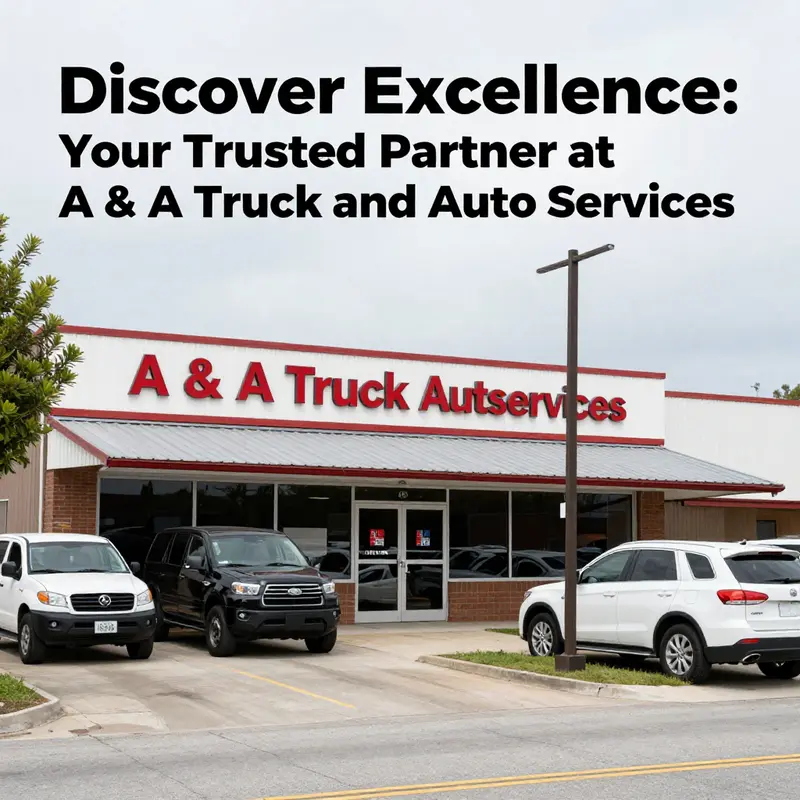
In the fabric of everyday mobility, the location of a shop can feel almost invisible, until a breakdown makes it suddenly indispensable. A & A Truck & Auto Service sits tucked along 410 W Oak Ln in Glenolden, Pennsylvania, a place where steady traffic and quiet residential streets converge to support the vital work of keeping vehicles—cars and trucks alike—on the move. The address itself is more than a pinpoint on a map; it is a doorway to predictable service, where the bells of a shop door and the hum of a waiting area become a rhythm that regular customers come to rely on. Glenolden is part of the larger Philadelphia metropolitan tapestry, a region characterized by dense networks of local roads that interlace neighborhoods with business corridors. In such an environment, a shop’s reach is as much about its physical footprint as it is about the reliability of its personnel, the speed of its estimates, and the clarity of its communication with customers who drive fleets for local employers or simply depend on reliable daily transportation for family life. A & A’s location at this address anchors a practical promise: that whether you commute on a routine basis or you operate a small business with a handful of service vehicles, you can count on a nearby, accessible partner when the road gets rough.
The geographic advantage of A & A Truck & Auto Service is more nuanced than mere proximity. Being part of the Philadelphia metro area means the shop sits near important corridors that connect suburbs to city centers, manufacturing hubs to residential neighborhoods, and trucking routes to service yards. The simple fact of being a short drive from major arteries translates into tangible benefits for customers who may need a quick diagnostic, a routine maintenance session, or a repair that supports a tight schedule. The shop’s location matters most when it aligns with the realities of local life: school drop-offs, early-morning deliveries, or the late-night call from a fleet supervisor that a vehicle is out of service. In those moments, the map’s coordinates become a relief map, guiding a technician toward a vehicle that is suddenly essential to somebody’s livelihood. The ability to reach a repair shop with minimal detour can reduce downtime, lower the cost of lost productivity, and preserve the sense of reliability that customers reserve for their most important assets on the road.
Access to A & A Truck & Auto Service is designed to be straightforward. The shop is positioned on a street that is typically navigable by consumer vehicles and by small to mid-sized trucks. Directions are readily available on mapping services, a practical feature in a region where commute patterns shift with traffic and weather. The basic logistics—driving in, finding the parking area, and maneuvering a vehicle into a service bay—are framed by the physical design of the site and the efficiency of the front-desk workflow. The drive into the lot, the sight lines from the street, and the ease with which a vehicle can be parked and aligned with a technician’s workspace all contribute to a first impression of competence and organization. For business customers who operate fleets, these factors are amplified; a fleet manager who arrives with two or three service vehicles expects a smooth throughput, a clear work order process, and minimal back-and-forth about scheduling. The ability to quickly confirm an appointment, drop off a vehicle, and secure a reliable ETA is not a luxury but a necessity when every delay translates into additional costs.
From a user experience standpoint, one of the most consequential aspects of location is the accessibility of contact points. A & A Truck & Auto Service lists a direct phone line—(610) 586-4900—so customers can initiate conversations about symptoms, uptime, and the specific maintenance schedule that keeps their vehicles compliant and reliable. The cadence of these conversations matters as much as the technical work that follows. A caller’s sense of being heard, understood, and guided toward the right service path—whether it is a minor brake inspection, an oil change, or a more complex diagnostic for a truck transmission—depends on the clarity of the shop’s quick-response approach. When a customer is dealing with an unpredictable breakdown, every minute matters. The phone call becomes a bridge that translates a mechanical issue into a plan of action, and the location of the shop matters here as well; proximity reduces the time between the moment the issue is described and the moment a technician begins to investigate it.
The practical realities of parking and vehicle movement inside the lot are not footnotes in a service experience but integral elements that shape trust. A & A’s site layout—how bays are organized, how trucks can enter and exit without cumbersome maneuvering, and how available parking spaces accommodate both personal cars and larger service vehicles—plays a significant role in shaping customers’ sense of efficiency and safety. A well-choreographed flow reduces the stress that often accompanies auto repair. It is the difference between a customer who pulls in, hands over the keys, and returns to a comfortable seat with a cup of coffee, and one who must back out of a crowded lot after a long wait with a rising sense of frustration. In this sense, location is not just about geography; it is about the choreography of a service day, where the physical space aligns with the expectations that customers bring to a shop situated at the heart of a local automotive ecosystem.
To understand accessibility in a broader sense, consider how the shop’s location supports interactions beyond the immediate repair. The surrounding community includes not only individual drivers but local businesses that rely on reliable transportation for shipments, route deliveries, and service calls. The address becomes a nod to reliability—an anchor point within the regional logistics network that small businesses depend on during busy seasons and ordinary weeks alike. In such a context, the shop’s hours, the pace of its service process, and the ability to accommodate quick turnarounds for wheel-and-tire services, align with the daily rhythms of the area. The result is a neighborhood hub where people know they can count on a local partner who understands the demands of both personal reliability and fleet readiness.
Accessibility also carries a thread of transparency. Inquiring about service options, hours, and capacity should feel straightforward. A & A maintains a website—an important channel for sharing service offerings, hours, and practical guidance—that complements the in-person experience. While a phone call can establish a personal connection, online information helps customers prepare for their visit, anticipate the scope of work, and plan around their day. The balance between walk-in readiness and scheduled appointments creates a flexible framework that respects both the spontaneity of some repairs and the discipline of others. This dual-mode approach to access—digital information for planning and on-site presence for execution—helps ensure that the shop remains reachable under a range of circumstances, including weather disruptions, peak maintenance cycles, and the kind of routine service that keeps vehicles in steady operation.
The chapter’s reflection on location would be incomplete without acknowledging the surrounding towns that often shape a shop’s customer base. From Media and Wallingford to West Chester, these communities contribute to a steady stream of customers who value proximity as a practical advantage. The ability to navigate efficiently from these nearby towns to Glenolden, and then from the shop out again with a well-timed repair, often translates into repeat business. Fleet managers, small business owners, and everyday drivers alike benefit from the assurance that a repair partner sits within a reasonable drive—far enough to offer expertise and capacity, close enough to reduce downtime and travel fatigue. In this way, accessibility becomes a story of reliability that extends beyond the walls of the shop. The neighborhood mission—keeping people and goods moving—depends on a location that respects schedules, minimizes friction, and supports the momentum of daily life.
As readers consider the practical implications of what a location like 410 W Oak Ln represents, a broader sense emerges about how auto service ecosystems function in modern communities. The storefront, signage, and lot capacity interact with online information and phone-based inquiries to create a seamless experience. The shop’s hours and staffing patterns are tuned to the rhythms of local life, which means that the hours are more than a calendar entry; they are a promise about when customers can expect attentive service, clear communication, and dependable outcomes. In such a system, the physical address is more than a map coordinate—it is a statement about accountability, proximity, and the value of being a neighbor who is ready when the road calls. For drivers who rely on a car for daily commutes, for fleet managers who coordinate repairs for multiple vehicles, and for families who must juggle schedules around car maintenance, the location becomes a quiet but essential reassurance: there is a place nearby where competence meets convenience, and where the road’s unpredictability can be managed with clear, direct support.
To connect the themes of accessibility with practical resourcefulness, consider how a shop like A & A can integrate broader industry knowledge with local knowing. One way is through the cultural habit of sharing information about services in digestible formats—clear pricing where possible, transparent timelines, and proactive updates if a vehicle’s repair plan shifts. While the shop’s core work remains hands-on and technical, the communication framework around that work often defines the customer’s overall impression. The narrative of a neighborhood auto shop rests on trust built not only by the mechanics’ hands but also by the front desk’s ability to explain the what, why, and when of each service. In Glenolden, where streets carry both morning chatter and the hum of commerce, this blend of technical skill and relational clarity becomes a natural extension of the shop’s location. It is a reminder that accessibility is not merely about traffic patterns and parking; it is about offering a dependable, human-centered experience that respects customers’ time and their vehicles’ safety.
In this landscape, the value of a well-located auto service partner becomes self-evident when a vehicle stalls on a busy morning or when a fleet needs a rapid diagnostic to keep deliveries on schedule. The address at 410 W Oak Ln positions A & A Truck & Auto Service to respond quickly to these pressures, to coordinate with customers’ calendars, and to deliver the kind of service that earns a return visit. It is a reminder that, in the realm of vehicle maintenance, where the road can surprise you at any moment, the most durable advantage is the simple certainty that a capable shop sits nearby, ready to diagnose, repair, and restore confidence with a practical blend of proximity, efficiency, and clear communication. The chapter thus returns to its beginning: location matters because it shapes not only how easily a customer can reach the shop but how the shop, in turn, engages with the ebb and flow of local life—a relationship knit together by roads that connect neighborhoods, businesses, and the everyday routes that define a community’s shared pace.
For readers who want to explore related perspectives on how accessibility shapes auto service ecosystems, one related resource that offers broader context can be found here: Auto Services Costco. This reference point helps situate A & A’s emphasis on practical access within a wider network of service considerations that drivers value when choosing a partner for ongoing maintenance and repair. (Auto Services Costco)
External perspectives also illuminate the value of proximity and reliability from customers’ viewpoints. Those who have experienced A & A Truck & Auto Service in Glenolden can share their impressions and outcomes on various platforms, including community reviews and business directories, which collectively contribute to a fuller picture of what it means to have a dependable local auto shop waiting just a short drive away. The experience of accessibility—of getting in, getting the work done, and leaving with a vehicle that performs as promised—forms a narrative that resonates with both individual drivers and fleet operators who understand the cost of downtime and the importance of timely, transparent service. In this context, location becomes not merely a geographic fact but a lived experience that supports daily life, business operations, and the maintenance of mobility across a regional landscape that depends on the efficiency and reliability of local automotive partners.
To learn more about customer experiences and the shop’s public reception, readers can explore reviews and firsthand impressions. For a direct look at how customers perceive the Glenolden shop and its services, see the external resource at Yelp. There, you’ll find a range of perspectives that reflect the realities of what it means to navigate maintenance, waiting times, communication, and outcomes in this particular neighborhood setting. The link provides an authentic snapshot of the shop’s performance from the vantage point of people who have stood in the customer chair, handed over keys, and planned their days around an auto service appointment. It is a useful complement to the more formal descriptions of location and accessibility, offering a human dimension to the dependable infrastructure described throughout this chapter.
In sum, the location of A & A Truck & Auto Service—rooted in a Glenolden address that sits within reach of Philadelphia’s sprawling suburban network—embodies a practical philosophy of accessibility. It is a place where street-level navigation meets the needs of both personal travel and commercial logistics. The shop’s position on a well-traveled road, the straightforward method of reaching out by phone, and the ability to coordinate parking and drop-off with efficiency—all converge to form a dependable hub for maintenance and repair. This alignment of space, process, and people is what turns a simple address into an assurance: that whenever the road calls, a nearby, capable partner is ready to listen, diagnose, and fix, keeping wheels turning and plans on track. The neighborhood’s pace becomes the tempo of the shop’s service, and the synergy between location and experience becomes a defining feature of A & A Truck & Auto Service’s ongoing contribution to mobility in Glenolden and the surrounding communities.
External resource: https://www.yelp.com/biz/a-a-truck-and-auto-service-glenolden
Final thoughts
A & A Truck and Auto Services is not just an automotive repair shop; it is a dependable partner in vehicle maintenance for private owners, fleet operators, and dealerships alike. The extensive range of services ensures that all automotive needs are met with expertise and care, while the commitment to customer satisfaction enhances the overall experience. With its key location in Glenolden, PA, A & A Truck and Auto Services stands ready to assist, making it the go-to destination for all automotive repair and maintenance requirements. Choosing A & A means choosing reliability, quality, and a dedicated team focused on getting you back on the road safely and efficiently.