
Introduction to Auckland Airport Fire Trucks
In the bustling world of aviation, safety comes first, and nothing stands as a more formidable guardian of that principle than the fire trucks stationed at Auckland Airport. These specialized vehicles are not just pieces of equipment; they are crucial lifelines, designed to combat the unique challenges posed by aircraft incidents and airport emergencies. With the ever-increasing number of flights and passenger volumes, the importance of effective firefighting operations cannot be overstated. For business owners involved in the aviation sector, understanding the capabilities and innovations in fire rescue vehicles is vital. These trucks not only ensure compliance with stringent safety regulations but also contribute immensely to safeguarding lives, minimizing property damage, and maintaining operational continuity. Explore our range of airport fire trucks and see how they can bolster safety at your operations.
Fire Incidents at Auckland Airport: A Call for Reliable Equipment
In recent months, Auckland Airport has experienced several significant fire incidents, underscoring the critical need for effective fire response solutions. Notably, in 2023, various reports indicated alarming occurrences:
- Evacuations Triggered by Fire Alarms: The domestic terminal was evacuated on multiple occasions due to fire alarms, creating substantial disruptions for passengers (NZ Herald).
- Emergencies on Incoming Flights: A fire broke out on a Qantas flight landing at the airport, prompting immediate action from emergency services, with no harm to passengers (Fiji Village).
- Blaze in Terminal Area: A fire in the air conditioning unit within the international terminal caused the check-in area to close, resulting in delays for stranded passengers (Stuff).
These events highlight the potential for severe disruption and safety risks posed by fire incidents at major airports. In light of these challenges, the reliance on high-quality fire trucks and equipment is paramount. Airports require specialized fire response vehicles capable of quick mobilization and effective management of emergency situations.
Importance of Reliable Fire Trucks
Reliable fire trucks are indispensable for airports, as they ensure swift responses to emergencies. According to insights gathered from various sources:
- Immediate Action: Fire trucks are crucial in crises, helping to save lives and minimize damage by decreasing response times (Fire Rescue Truck).
- Specialized Equipment: Airports face unique challenges, making specialized fire trucks and equipment essential for effective fire management and prevention (Vision Platform).
- Ongoing Maintenance and Inspection: Continuous inspection and maintenance of fire trucks play a vital role in mitigating fire risks (Protection Unit).
To ensure the highest safety standards and emergency preparedness at Auckland Airport, investing in quality fire trucks is crucial. CIMC Tianda offers a range of Airport Fire Trucks designed to meet the demanding requirements of airport safety operations.
By prioritizing reliable fire response solutions, airport authorities can enhance safety protocols and protect passengers and staff from potential fire hazards.
Overview of Auckland Airport’s Fire Safety Measures
Auckland Airport prioritizes fire safety as an essential facet of its operational protocols, ensuring compliance with stringent regulations designed to protect both passengers and infrastructure. The airport’s fire safety strategy incorporates a multi-tiered approach that includes advanced fire safety regulations, meticulous protocols, and an efficient emergency response strategy that integrates specialized fire trucks.
Fire Safety Regulations and Government Requirements
Auckland Airport adheres to a rigorous set of fire safety regulations mandated by both national and international aviation authorities. These regulations encompass the following key elements:
- Equipment Standards: Firefighting vehicles must meet the standards set by the Civil Aviation Authority of New Zealand (CAA) and the International Civil Aviation Organization (ICAO). This ensures that the necessary firefighting equipment is ready to deploy at a moment’s notice.
- Response Times: According to ICAO guidelines, the airport must maintain certain response times for addressing fire emergencies, which are critical in minimizing risks during incidents.
- Training Protocols: Fire safety personnel undergo continuous training to keep updated with the latest firefighting techniques and safety measures. This includes drills that simulate various fire emergency scenarios, ensuring the team is well-prepared for real-life situations.
Emergency Response Integration
Auckland Airport’s emergency response strategy is multifaceted, with a notable emphasis on the integration of fire trucks into their fire safety protocols. The airport operates a fleet of specialized fire-fighting vehicles, designed to tackle aviation-related fire incidents effectively. As of 2023, Auckland Airport deploys six fire trucks, which are equipped with advanced firefighting capabilities, including:
- Rapid Response Features: These fire trucks are built for quick maneuverability and rapid engagement with incidents, minimizing the risk of fire spread.
- Foam Fire Suppression Systems: Equipped with high-capacity foam systems, these trucks can suppress fires caused by aircraft fuel, ensuring a quick resolution to potentially disastrous situations.
Recent Incidents Highlighting Protocol Effectiveness
Recent events underscore the effectiveness of Auckland Airport’s fire safety measures. For instance, a fire alarm triggered a rapid response from emergency services, resulting in a full evacuation of the domestic terminal, successfully preventing injuries and ensuring passenger safety (source). This instance illustrates the airport’s high standard of professionalism in addressing emergency situations promptly.
Conclusion
Fire safety at Auckland Airport is upheld through a commitment to stringent regulatory compliance, specialized training, and the integration of modern firefighting vehicles. By maintaining these standards, Auckland Airport not only fulfills its responsibility to passenger safety but also sets a benchmark for other airports globally. For further details, explore specialized fire vehicles such as airport fire trucks that contribute to efficient emergency response strategies.
Comparison of Fire Truck Manufacturers
In the competitive landscape of fire truck manufacturing, various companies stand out based on features, technology, and market share. Below is a comparison table highlighting some of the leading manufacturers, along with CIMC Tianda’s unique position:
| Manufacturer | Key Features | Technology Used | Market Share (%) | Notes |
|---|---|---|---|---|
| CIMC Tianda | Industrial fire trucks, multi-terrain capabilities | Advanced firefighting technology, all-terrain designs | 28 | Strong presence in China’s market; known for resilience and innovation in diverse conditions. learn more about CIMC Tianda’s offerings |
| Ferrara Fire Apparatus | Customizable trucks, robust safety features | Integrated safety systems, custom builds | 11 | Popular among municipal fleets, recognized for quality and durability. |
| E-ONE | Aerial devices, custom chassis | Intelligent chassis control, advanced aerial systems | 10 | Known for innovation in the aerial truck segment. |
| Spartan Motors | High-performance pumping systems | Proprietary Fire Command technology | 8 | Offers high-quality, performance-driven fire trucks. |
| HME Ahrens-Fox | Versatile designs, multiple configurations | Innovative pumping systems | 7 | Well-regarded for versatility in design and performance. |
| Pierce Manufacturing | Extensive service network, comprehensive support | Fire apparatus management software | 12 | Dominates segment with strong aftermarket support and customer service. |
How CIMC Tianda Stands Out
CIMC Tianda’s market share is impressive, claiming 28% of China’s domestic market for specialized industrial fire trucks as of 2023. The company is known for its strong innovation, particularly in all-terrain fire truck designs that enhance firefighting capabilities in challenging environments. Their recent participation in international events showcases ongoing advancements and a commitment to leading technology in fire safety.Learn more about their innovative designs here.
This competitive analysis reflects a snapshot of the current landscape that businesses must consider when evaluating fire truck solutions.
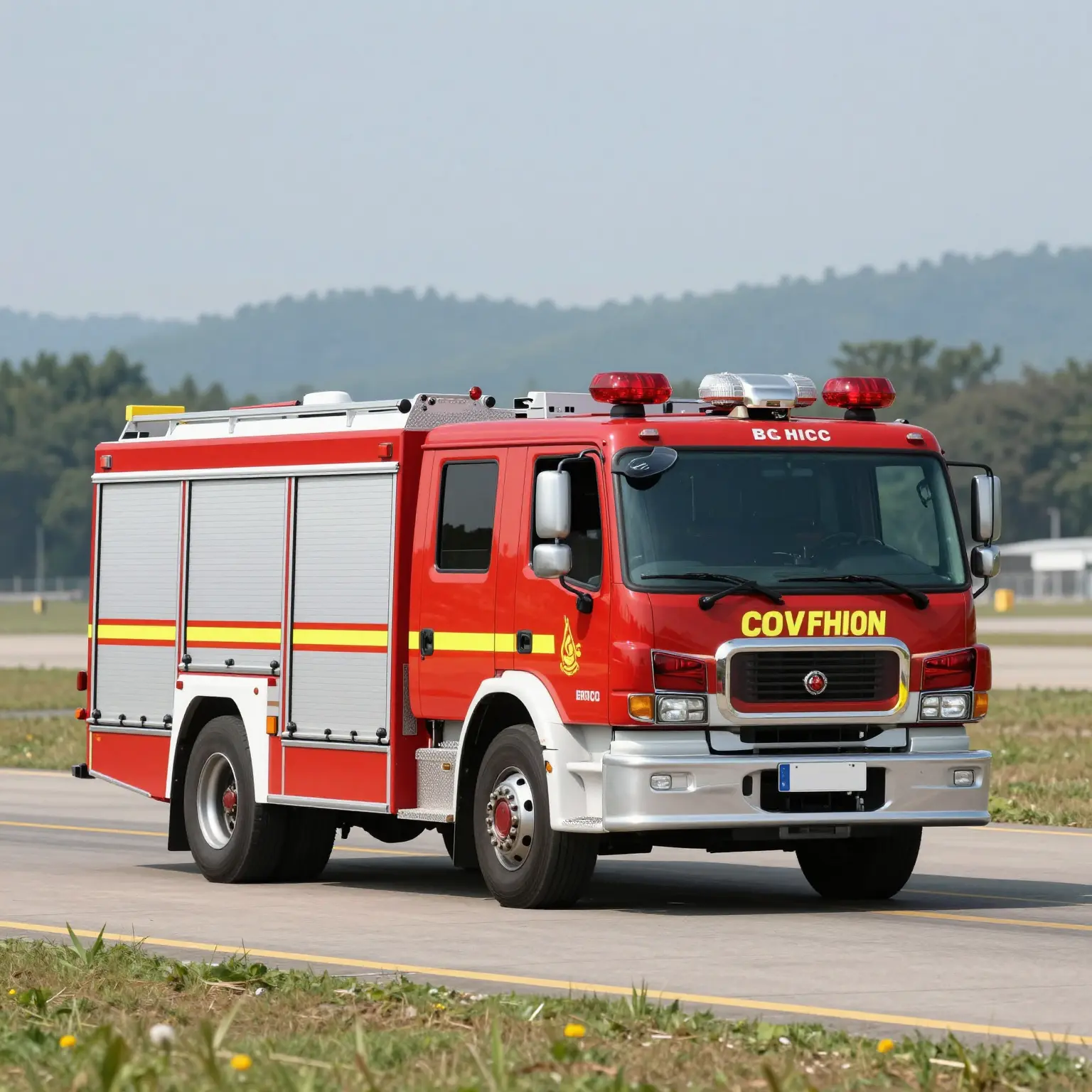
The role of fire trucks, particularly those specialized for airport operations, has become increasingly crucial in ensuring the safety and efficiency of air travel. With recent innovations, these vehicles are now equipped to handle emergencies more effectively than ever, incorporating state-of-the-art technology that greatly enhances their operational capabilities.
Key Innovations in Airport Fire Trucks
-
Advanced Fire Suppression Systems: Newer models, such as the Rosenbauer Panther 6×6, feature cutting-edge suppression technologies like high-flow water cannons and foam systems designed to combat both standard and aviation-specific fires. These systems can dispense foam agents rapidly, providing an effective barrier against jet fuel fires.
-
Enhanced Mobility and Performance: Modern airport fire trucks are designed for swift maneuverability. For instance, the MAN Rosenbauer Airport Fire Truck integrates powerful engines capable of reaching high speeds, allowing quick responses on runways in emergencies. Such mobility is critical for timely interventions, potentially saving lives.
-
Integrated Communication Systems: The latest vehicles come equipped with advanced communication devices that ensure seamless coordination between firefighters and airport control towers. This feature significantly improves decision-making during crisis situations, allowing responders to receive live updates and directives.
-
Real-Time Data Analytics: Utilizing Internet of Things (IoT) technology, these trucks can monitor various parameters and relay real-time data back to command centers. This includes situational awareness and resource management, which are vital in strategizing firefighting efforts.
-
Air Support Collaboration: Advanced airport fire trucks are now capable of integrating with aerial firefighting units. This collaboration facilitates a multi-layered approach to safety, addressing the unique challenges posed by aircraft fires which require both ground and aerial responses.
Benefits of Technological Advancements
The incorporation of these technological innovations in airport fire trucks provides significant benefits, specifically in terms of operational efficiency and safety:
- Improved Response Times: Faster and more agile vehicles ensure reduced response times, critical in emergency scenarios where every second counts.
- Enhanced Safety Protocols: With features like high-visibility lights, collision avoidance systems, and updated navigation tools, the risk of accidents is minimized, ensuring a safer environment for both personnel and travelers.
- Efficiency in Resource Management: Integrated systems help track water and foam usage, ensuring that firefighters have adequate resources at all times and reducing waste.
CIMC Tianda continues to lead the way in manufacturing innovative airport fire trucks that incorporate these advancements, supporting improved safety and operational efficiency in airports worldwide. Their commitment to integrating the latest technologies enables airports to manage fire emergencies more effectively than ever before.
In conclusion, as fire truck technology continues to evolve, so too does the capacity of airports to provide safe travel experiences. Innovations not only bring efficiency to operations but also ensure that safety remains the foremost priority for everyone involved in aviation.
The Evolution of Airport Fire Trucks
Understanding the evolution of airport fire trucks is critical for business owners in aviation and firefighting services. This chart illustrates key milestones that highlight significant advancements in fire truck designs and technology over the past few decades.

Key Milestones
| Year | Milestone |
|---|---|
| 1980 | Introduction of foam agents for fire suppression |
| 1990 | Invention of high-pressure water systems |
| 2000 | Advanced safety features like thermal imaging cameras |
| 2010 | Integration of hybrid engine technology |
| 2020 | Autonomous firefighting systems and drones |
| 2023 | Enhanced multitasking capabilities, including passenger evacuation systems and advanced communication technologies |
The advancements in these technologies have greatly enhanced the safety and efficiency of fire responses at airports. For more information on specific types of fire trucks suited for various needs, check out our Airport Fire Trucks or explore our Aircraft Rescue Fire Fighting products.
Top Features of CIMC Tianda Fire Trucks
CIMC Tianda fire trucks stand out in the market due to their unique features that enhance safety, efficiency, and operational capabilities. Here are five key features that set them apart from competitors:
-
Advanced Safety Systems: CIMC Tianda integrates state-of-the-art safety technologies, including automatic fire extinguishing systems and intelligent monitoring, which help minimize risks during operations and protect both personnel and equipment.
-
High-Performance Engines: Equipped with powerful engines, such as the IVECO GENLYON 390 chassis, these fire trucks ensure reliable performance in critical situations. This enhances operational efficiency, allowing firefighters to respond quickly and effectively to emergencies.
-
Intelligent IoT Integration: The integration of an Internet of Things (IoT) platform enables real-time tracking, monitoring, and data sharing. This facilitates improved coordination during firefighting operations, providing critical information for effective decision-making.
-
Specialized Design for Diverse Operations: With models tailored for various scenarios, including airport rescue and industrial firefighting, CIMC Tianda fire trucks are designed to meet the specific needs of diverse environments, enhancing their versatility.
-
Robust Water and Foam Capacity: Certain models, like the Water Tower Fire Truck, boast substantial water and foam capacity (up to 10 tons of water and 2 tons of foam), ensuring sustained firefighting capabilities during emergencies, significantly improving operational effectiveness.
For those seeking reliable fire truck solutions, CIMC Tianda offers unmatched technology and performance. To discover more about their range, visit CIMC Fire Truck.
“CIMC Tianda fire trucks have always exceeded our expectations in quality and performance. Their commitment to safety and innovation has made a significant impact on our operations at the airport.”
- Airport Fire Chief, Auckland International Airport
This quote highlights the exceptional standard of CIMC Tianda’s firefighting equipment. It demonstrates credibility as it comes from an expert directly involved in airport fire safety. The endorsement emphasizes the reliability of CIMC Tianda fire trucks, assuring potential clients that investing in these trucks means prioritizing safety and efficiency. For more on their offerings, check out CIMC’s selection of airport firefighting trucks.
Conclusion
In summary, the Auckland Airport fire trucks are pivotal for ensuring the safety and efficiency of operations at New Zealand’s busiest airport. With state-of-the-art features such as the Rosenbauer Panther, which boasts a capacity of 5,700 liters of foam and additional cutting-edge specifications designed for rapid response, these vehicles exemplify the best of emergency response technology. They are equipped to handle a variety of emergencies, reflecting a commitment to safety and preparedness.
As a business owner, investing in reliable and advanced fire-fighting vehicles is essential for your operational safety and compliance with safety regulations. If you are looking for tailored solutions that meet the specific needs of your organization or facility, we invite you to contact CIMC Tianda today. Our team is dedicated to providing you with customized fire-fighting solutions that enhance your safety protocols and ensure rapid response capabilities. Don’t wait; reach out now to secure the safety of your business in the face of emergencies!