
A&A Discount Tire and Auto Service Center serves as a cornerstone for automotive care in Wilmington, Delaware. Focused on private car owners, small business fleet operators, car dealerships, and auto repair shops, this center expands beyond traditional tire services to encompass a holistic suite of automotive solutions. From essential tire installations to in-depth maintenance, A&A emphasizes not just the quality of service but also a customer-centric approach that builds long-lasting relationships. This article delves into the diverse services offered, the firm’s commitment to customer satisfaction, its strategic location, gift card possibilities, and the significant impact A&A has on the local community.
The Complete Care Menu: How A&A Discount Tire & Auto Service Center Keeps Wilmington Moving
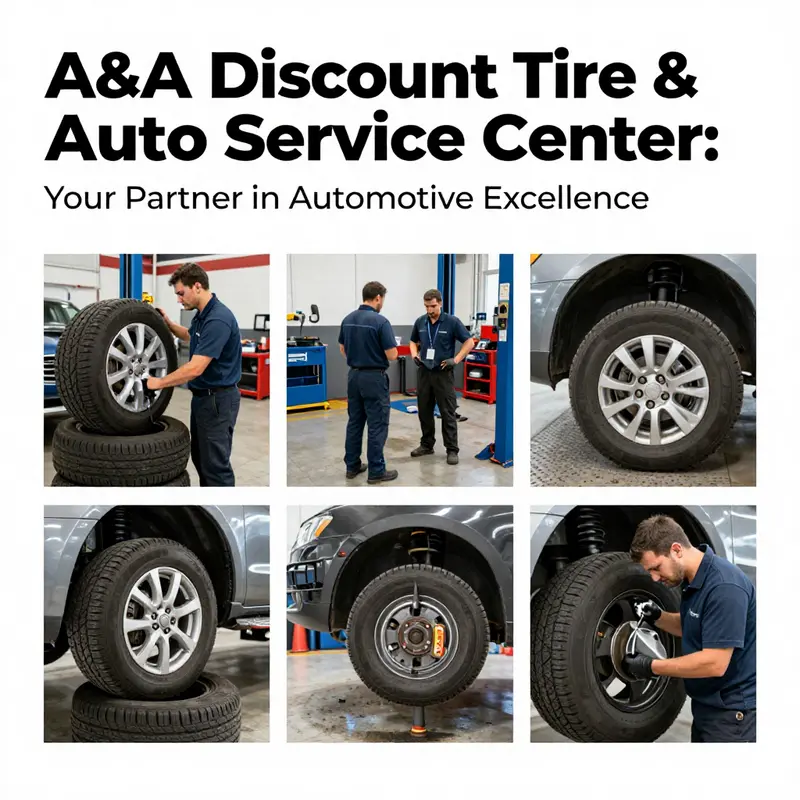
In the fabric of a city, a reliable auto shop is more than a storefront—it’s a steady heartbeat. A&A Discount Tire and Auto Service Center, tucked into the Wilmington landscape at 308 Edgemoor Road, has earned the trust of local drivers by turning complex mechanical needs into straightforward, transparent care. The center’s philosophy rests on the belief that vehicles deserve safety, reliability, and the clarity that comes from knowing what is being done and why. That clarity begins the moment a customer arrives or calls, and it ripples through every mile their car will cover after a visit. The shop’s breadth of offerings reflects a community’s needs: a broad spectrum of maintenance and repair work that addresses routine wear, unexpected malfunctions, and everything in between, with an emphasis on precision, efficiency, and honest communication.
To describe the services in a single sentence would miss the quiet nuance of how they come together in practice. The center treats brakes as more than a mechanical system to be fixed; they are an essential safety feature that governs how a vehicle responds in critical moments. A thorough inspection follows, looking beyond visible wear to understand how the braking system coordinates with tires, suspension, and steering. When a repair is necessary, the technicians explain the repair plan in plain terms, outlining options and costs before any work begins. This approach—assessment, explanation, and agreement—frames every interaction and reinforces the trust that keeps customers returning, not merely when the car is in trouble, but as part of an ongoing relationship with their vehicle’s well being.
Battery performance is another touchstone of reliability. In most cars, a failing battery does more than stall the engine; it can ripple through the electrical system, affecting lights, sensors, and the computer that coordinates many functions the driver relies on daily. The center’s team tests the battery’s charge and capacity, checks for corrosion, and evaluates the alternator’s performance to determine whether a replacement, a charging solution, or a simple maintenance adjustment will restore steady operation. The goal is not to push a quick fix but to ensure the electrical system remains stable in daily use and during seasonal demands when heat or cold strain is more pronounced. This diagnostic discipline mirrors the center’s broader ethos: treat the root cause, confirm the prognosis, and present a clear plan that keeps the vehicle—and its occupants—out of uncertainty.
Diesel engines, with their distinctive architecture and heavy duty expectations, require specialized maintenance that takes into account differing fuel systems, turbomachinery, and exhaust configurations. The center’s diesel service offerings speak to a practical understanding of Wilmington’s diverse vehicle landscape, from work trucks to family vehicles that depend on diesel reliability for routine commutes or professional trips. The service philosophy for diesel engines is pragmatic: meticulous inspection, targeted repairs, and preventive measures that extend engine life, improve fuel efficiency, and minimize downtime. The technicians approach diesel work with the same thoroughness they apply to gasoline engines, recognizing that the stakes—emissions compliance, long-run durability, and predictable performance—demand deliberate, well informed decisions.
Engine diagnostics and repair form the backbone of the center’s expertise. When a vehicle runs with rough idling, unusual noises, or fluctuating power, the team uses a combination of traditional troubleshooting and modern diagnostic tools to map out the issue. It is not enough to fix what is visibly broken; the aim is to understand the system-wide interdependencies that can mask problems or cause recurrence. The narrative of a typical engine repair at A&A is collaborative: the technician shares the diagnosis with the vehicle owner, explains the trade-offs, and then proceeds only after consent. This collaborative model reflects a broader commitment to transparency. Customers appreciate the opportunity to make informed choices about their auto care, rather than feeling pushed toward unnecessary work or accelerated timelines.
Integral to all these services is the shop’s promise of free estimates. In an industry where costs can escalate quickly, this policy stands as a form of fiduciary duty—to the customer and to the vehicle. A no-obligation estimate invites open discussion about the scope of work, the materials involved, and the labor required. It provides a baseline against which the customer can measure value, not merely price. The estimate process also embodies the center’s respect for the customer’s time and resources. It acknowledges that a vehicle’s health is not merely about getting back on the road but about regaining confidence in the journey ahead.
Beyond the mechanics of repair, the experience of being a customer at A&A Discount Tire and Auto Service Center centers on service that feels personal and responsive. The staff’s customer-focused approach translates into practical outcomes: clearer explanations of what’s needed, more accurate timelines, and a willingness to accommodate questions that arise after a diagnostic is completed. In a world where automotive care can feel opaque, the center’s emphasis on communication creates a space where the customer feels heard, informed, and respected. That atmosphere matters as much as the hands-on expertise because it reduces the anxiety that often accompanies car trouble and builds a foundation of trust that sustains a long-term relationship.
The shop’s location and accessibility further reinforce its role in the community. For many Wilmington residents, a nearby, dependable auto service center becomes a constant reference point—a place to turn for preventive maintenance as well as for urgent repairs. The center’s hours and contact details are part of the ecosystem that makes it easy to plan a visit or call ahead with questions. This accessibility matters because the best auto care is not just about the work performed inside the shop but about the ease with which customers can access it when needed. The sense of reliability that customers seek grows out of arrangements that respect time, transparency, and a straightforward conversation about what their vehicle needs and why.
In thinking about A&A’s broader impact, it is useful to place its offerings within the larger narrative of auto service today. The center stands as a practical example of how a shop can blend traditional hands-on expertise with modern expectations for clarity and accountability. This blend is increasingly essential as vehicles become more complex and as drivers seek not merely repairs but reassurance that their investments in mobility are protected. The center’s approach to safety—comprehensive inspections, careful diagnostics, and maintenance that prevents breakdowns—contributes to a sense of security for families and businesses alike. The commitment to transparency, demonstrated by free estimates and clear discussions of options, reinforces a culture where customers feel empowered rather than overwhelmed at the moment of choosing how to proceed.
Within this framework, it is worth noting the way the center situates itself in the wider world of automotive care. The ethos of thorough assessment and patient dialogue resonates with a community of auto enthusiasts and everyday drivers who value both skill and honesty. For readers who want to see a broader expression of this care in practice, one can look to related referrals in the field that echo the same principles of reliability and customer-centric communication.
As this chapter closes, the image of A&A Discount Tire and Auto Service Center remains that of a comprehensive care partner. It is a place where the broad spectrum of automotive work—ranging from routine brake checks and battery health to the more intricate demands of diesel engines and engine repairs—exists under a single roof, guided by a philosophy that values safety, clarity, and the human element of car care. The center’s willingness to provide free estimates without pressure, its commitment to keep lines of communication open, and its readiness to address a vehicle’s needs with both expertise and integrity all contribute to a durable trust. That trust, in turn, translates into smoother journeys for Wilmington’s drivers and a stronger sense of community around a local business that keeps people moving with confidence. For readers mapping out their next maintenance plan or seeking reassurance about a vehicle’s health, the story of A&A is not just about the repairs performed; it is about the way those repairs are approached, explained, and delivered in a neighborhood-centered, customer-first setting. It is, in short, a reminder that the value of auto care lies not only in the mechanics but in the experience of care itself.
People, Precision, and Trust: The Customer-First Engine Behind A&A Discount Tire & Auto Service Center

In the busy corridor of Wilmington, Delaware, a service center like A&A Discount Tire & Auto Service Center operates on a simple premise that ripples outward: take care of people as you would want to be cared for yourself. The shop’s physical presence at 308 Edgemoor Road anchors its neighborhood, but what keeps vehicles moving and drivers returning is a carefully cultivated culture that centers the customer. The experience begins the moment a vehicle pulls into the lot, not with a hard sell, but with a set of expectations that are as practical as they are human. Staff members greet customers with a straightforward honesty about what can be done, what should be done, and what can wait. This approach isn’t about selling services for profit; it’s about building trust through transparent communication and dependable, high-quality work. It is this trust that turns routine maintenance into a collaborative process and makes a tire shop feel less like a storefront and more like a partner in long-term safety and reliability on the road. The depth of A&A’s customer focus becomes evident only after you experience the breadth of services presented in a single, cohesive, one-stop setting. Tire sales and installation are central to the shop’s identity, but they are not treated as the finish line. Instead, they function as the first line of a broader preventive care strategy. Wheel alignments, brake inspections, oil changes, battery replacements, and seasonal tire swaps are all framed as essential steps in a continuous cycle of vehicle health. The advantage for customers is measurable and practical: fewer trips to different specialists, a documented history of maintenance, and an interior where knowledge about one system often informs decisions about another. When a driver asks for a specific recommendation, the response arrives with clarity and context. The technician translates complex mechanics into plain language that a layperson can understand, without arrogance or fear of sounding uncertain. This is not mere courtesy; it is a communication philosophy designed to empower customers to participate in the care of their own vehicles. The customer-first ethos is also reflected in how the shop positions itself within the larger ecosystem of auto care. A&A presents itself as a full-service auto repair and preventive maintenance provider, a description that carries with it a promise of continuity. Their team embraces the idea that tire service is not isolated from engine health, transmission performance, or preventive diagnostics. Such an integrated perspective matters because modern vehicles are systems with interdependent needs. A wheel alignment, for example, is not only about steering precision; it can influence tire wear, fuel economy, and even the effectiveness of braking. By treating maintenance as an interconnected sequence rather than a series of isolated tasks, the center helps customers reduce long-term costs and avoid the aggravation of reactive fixes. This philosophy resonates with drivers who want to understand the why behind recommendations, not just the what. From the customers’ point of view, the value of a one-stop center becomes especially evident when balancing time, budget, and safety. The community relies on a shop that can handle everything from a routine oil change to more involved work like transmission services or engine rebuilding—items some patrons mention when describing their experiences with the center. It isn’t just about getting the job done; it’s about getting the right job done, the first time, with transparency about what is required and why. In an environment where price pressures are real, the emphasis on clear explanations and documented estimates stands out. The staff’s willingness to map out a plan that respects the customer’s budget while addressing safety-critical needs is perhaps the most practical expression of the center’s customer focus. The result is confidence. When a driver knows that a shop will call out a potential issue before it becomes a hazard, the sense of security extends beyond the vehicle to the whole household relying on it for daily routines, commutes, and family trips. People are at the heart of this approach, but the practical, repeatable processes that undergird service delivery are equally important. The center’s emphasis on air checks, tire rotations, and precise wheel alignments is complemented by transparent scheduling and a clean, organized workspace where technicians can explain what they’re seeing as they go. The experience is designed to reduce uncertainty, a perennial partner in car maintenance. Knowledgeable staff members translate complex mechanical information into actionable guidance, which helps customers make informed decisions without feeling overwhelmed. The effect is cumulative: a customer who understands why a particular maintenance item is advised is more likely to follow through, which in turn reduces the risk of costly breakdowns down the line. This approach to customer care is echoed in the way people speak about the shop online. Yelp reviews describe A&A as a place where tire needs are met with a combination of expertise, personalized attention, and a sense that the technicians genuinely care about the customer’s safety and satisfaction. Phrases like the only place I go for all my tire needs emerge not as marketing slogans but as testimonies to consistent, dependable service. The voice behind these reviews is not loud or flashy; it is steady and patient, a perceptible front-desk empathy that makes a driver feel heard. In a world where auto repairs can feel transactional, such feedback signals a deep cultural commitment: the center earns loyalty not through one-off discounts, but through dependable performance over time, in every service lane and waiting area. The depth of this customer-first culture is not purely anecdotal. It aligns with a broader, shared understanding of how an auto service center should operate. Accessibility matters—opening hours, straightforward contact information, and clear directions—so that help is never out of reach when a driver faces a pressing issue. The shop’s visibility within the Wilmington community extends beyond the service bays. It is reinforced by an openness to inquiry about services that might not be publicly advertised but are still available upon request, such as specialized maintenance and more involved repairs. This flexibility matters to customers who want to know there is a path forward, even when their vehicle’s needs become more complex. It also reflects a humility in the shop’s approach: the acknowledgment that every vehicle is different, and that every driver’s situation deserves a tailored plan rather than a boilerplate prescription. To further illustrate the breadth and coherence of their approach, consider the implicit promise that accompanies a visit to a one-stop center like this. A driver may arrive with a tire concern and exit with a comprehensive plan for preventive maintenance that addresses both that tire and the vehicle’s broader health. The design is deliberate: a workflow that respects the customer’s time, minimizes disruptions to daily life, and builds a record that travels with the vehicle through future visits. This continuity matters when vehicles age and systems begin to interact in new ways. A technician who understands a customer’s service history is better equipped to anticipate needs, catch early warning signs, and suggest proactive strategies. In essence, customer focus here translates into a longer, safer road ahead for families and commuters who rely on reliable transportation. The strategic emphasis on customer experience also invites a broader reflection on the role of a tire and auto service center in a community. Local customers are not merely consumers; they are neighbors who value reliability for school runs, work commutes, and weekend getaways. A center that frames service as a partnership is well positioned to become a trusted resource, a place where people know they will be met with expertise and a listening ear. Gift considerations and flexible service options may emerge as conversations unfold, underscoring the center’s willingness to accommodate different needs without compromising care. While gift cards and related offerings are not always advertised, a direct inquiry can reveal whether such options exist, illustrating how customer-centric thinking translates into practical, adaptable solutions for individuals and households alike. Social proof remains a powerful teacher in this narrative. A customer’s decision to return, to expand the scope of services, or to recommend the shop to a friend arises from a pattern of experiences that consistently meet or exceed expectations. The blending of technical proficiency with a humane, transparent approach turns a routine repair into a reliable, repeatable experience. In this light, A&A Discount Tire & Auto Service Center presents itself not merely as a maintenance facility, but as a steady, trusted companion in vehicle ownership. And while broader industry practices continue to evolve, the core principle remains clear: service that respects the customer’s time, intelligence, and safety creates lasting relationships that strengthen a local business and a community alike. For readers seeking a quick sense of how a local auto shop communicates with customers and organizes its services, a glance at related, widely referenced auto-care resources can offer perspective. One practical way to understand the broader landscape is to explore a general overview of car auto repair services, which mirrors the kind of comprehensive guidance drivers value in a trusted shop like A&A. You can explore this at car-auto-repair-services, a resource that encapsulates the breadth of what a well-rounded service center can provide. As with any detailed care plan, the real value comes from translating that knowledge into a concrete, personalized plan at the point of service. The best shops turn such knowledge into tangible outcomes: safer driving, smoother operation, and clearer confidence in every mile ahead.
Navigating Wilmington’s Automotive Hub: Location, Access, and Community Service at A&A Discount Tire & Auto Service Center
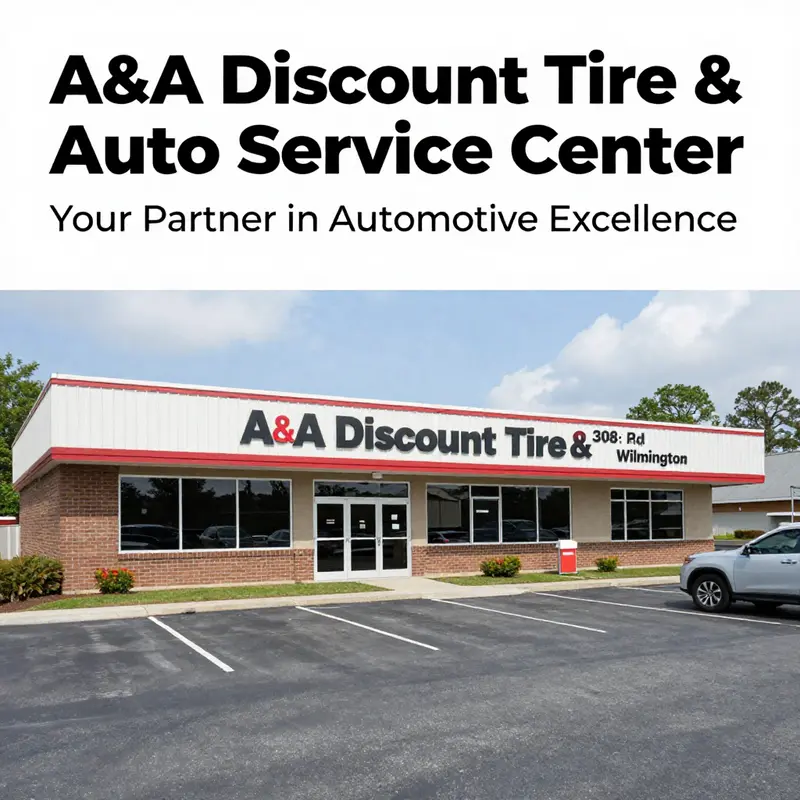
Tucked into a busy corridor of Wilmington, Delaware, A&A Discount Tire & Auto Service Center sits at 308 Edgemoor Road, a spot that many locals have learned to navigate as seamlessly as the roads they travel. The address is more than a label on a map; it represents a practical nexus where everyday mobility begins and ends. The center’s position in the heart of the city makes it a convenient touchpoint for a wide cross-section of drivers, from daily commuters weaving through the commercial district to visitors exploring the neighborhood for errands or even a longer-than-usual drive. In a town where traffic patterns swing with work hours and weekend shopping, the Edgemoor address functions as a reliable waypoint, a place where wheels receive attention and schedules align with the rhythms of city life. The location’s convenience is not merely a matter of distance but of how smoothly a customer can transition from decision to service. When a tire needs replacing, a battery test reveals the need for a broader check, or a routine oil change slips into the calendar, the proximity of a dependable shop matters. Accessibility, after all, is not just about reach but about reducing friction at every step of the customer journey, from the moment a driver sits in the car and begins to plan the visit to the moment they drive away with confidence in their vehicle’s performance.
What makes the Edgemoor Road site particularly functional is the way it fits into a well-traveled commercial landscape. The district around the center is designed to accommodate a steady flow of traffic, with multiple entry points and clear visual cues that guide first-time visitors as well as repeat customers. Parking, a critical element for any auto service center, is ample enough to minimize the stress of a quick tire change or a longer, more comprehensive service. Clear signage helps pedestrians and drivers alike locate the facility without detours, and the surrounding businesses contribute to a sense of safety and visibility, making the center feel like a natural anchor within a bustling retail corridor. For residents who value accessibility as a core part of good service, the Wilmington location delivers on that expectation in a tangible way. It’s a reminder that great auto care isn’t only about the mechanics performed behind the bays; it’s also about the ease with which customers can arrive, park, and begin the process.
The practical benefits of this setting become even clearer when planning a visit. Detailed directions are readily available through MapQuest, which allows a driver to plan a route from their exact location and to anticipate traffic, turns, and parking needs before setting out. This kind of forward planning matters, especially for someone new to the area or someone who hasn’t visited the center before. The ability to pull up precise routing information reduces uncertainty and helps customers feel confident that they can reach the shop without unnecessary backtracking. In addition to directions, the platform serves as a quick reference for hours, typical service timelines, and the kinds of amenities that often accompany a visit, such as parking locations adjacent to the bays or visible signage that identifies the service center from a distance. For many, this level of clarity can be the deciding factor when time is tight and plans must stay on track.
From a customer-service perspective, the Wilmington site embodies a simple but essential philosophy: accessibility should be seamless, not an afterthought. The center’s phone line, (302) 643-3013, is a direct conduit for inquiries about services, appointments, or hours of operation. Having a straightforward channel to ask about tire installations, wheel alignments, brake inspections, or seasonal tire swaps makes the process feel assembled rather than scattered. It’s one thing to know the location; it’s another to be able to line up a service that respects a customer’s time. The willingness to speak with a live representative when needed reinforces a sense of reliability and attentiveness that customers value, especially when their vehicle is a lifeline for daily routines or weekend plans.
Another practical aspect of accessibility lies in the center’s payment options. Being able to pay by credit card and other methods reduces one more potential hurdle for customers. In today’s world, where cash handling and payment processing can complicate the service experience, the ability to settle a bill quickly and securely is part of a broader commitment to minimizing friction. It complements the location itself, turning a potentially stressful task—vehicle maintenance—into a straightforward, predictable experience. For drivers who often juggle multiple errands or who rely on a precise schedule, such predictability translates into real, appreciated peace of mind.
Beyond the mechanics of location and access, the center’s ecosystem speaks to the broader role it plays in the Wilmington community. It acts not only as a place to service tires but as a hub where neighbors can satisfy a spectrum of auto-care needs in one visit. The breadth of services—tire sales and installation, wheel alignments, brake inspections, oil changes, battery replacements, and seasonal tire swaps—supports a practical, local-first approach to maintenance. When a customer pulls into the lot, they encounter a space designed to accept a range of requests, which reinforces the sense that the center understands the varied rhythms of vehicle ownership. This alignment with customer needs is the essence of accessibility: it’s not just about getting there; it’s about being able to accomplish what you need when you arrive.
The topic of accessibility inevitably intersects with the question of how a local business communicates its location and capabilities to the people who rely on it. In this spirit, a closely related example within the broader network of auto-service providers demonstrates how clear communication can complement a favorable site. For readers who want to compare how different shops convey their geographic footprint, the reference to another, similarly positioned auto-service operation—AA Auto Service Chicago—offers a useful frame. The linked resource provides a tangible reminder that strong location communication—explicit address details, easy-to-find signage, and straightforward directions—resonates with customers regardless of where the shop sits. Such cross-reference underscores that, in the realm of independent auto care, the physical footprint must work in concert with the digital and human interfaces that guide a client from decision to service.
Accessibility also has a social dimension. A&A Discount Tire & Auto Service Center’s location in a central Wilmington corridor makes it convenient for community members who need reliable maintenance for school and work commutes, for delivery routes, or for family vehicles destined for weekend errands. The center’s staff readiness to respond to inquiries over the phone reinforces that convenience, too. When a customer calls to confirm an appointment or to ask about whether a particular tire size is in stock, the expectation is not just about a precise answer but about courtesy, transparency, and a sense that the business respects the customer’s time. This relational aspect of accessibility is what helps sustain trust and repeat visits, turning a single address into a dependable part of a customer’s routine.
In terms of practical logistics for first-time visitors, the combination of location in a busy commercial district and the assurance of straightforward directions matters. It means that even someone who is new to Wilmington can enjoy a stress-free arrival. The signage helps a driver identify the site as they approach from different directions, and the ample parking ensures that a quick service visit does not become a scavenger hunt for a space. The overall impression is one of competence and reliability—a vital alignment for a shop whose core mission is to keep vehicles safe and roadworthy. Accessibility thus becomes a multi-layered concept: it encompasses how easy it is to get there, how clearly the route is explained, how readily the staff can be reached, and how seamlessly the payment and service processes can proceed once inside.
For readers who want to explore similar patterns in other locales, a practical takeaway is to look for a combination of three elements when evaluating accessibility: a well-situated address in a high-traffic area, robust directions and signage, and a straightforward, customer-friendly transaction flow. Together, these factors create an ecosystem in which the vehicle, the driver, and the service center all participate in a smooth, dependable routine. The Wilmington center embodies this philosophy in a way that few others can ignore. It is not merely the address that matters but the way the address supports a reliable, welcoming experience that respects time, communicates clearly, and ultimately reinforces the trust that makes a local auto service center a true community asset.
External link for precise routing and directions: MapQuest directions for A&A Discount Tire & Auto Service Center
Gifting Road-Worthy Confidence: Exploring Gift Card Options at A&A Discount Tire & Auto Service Center
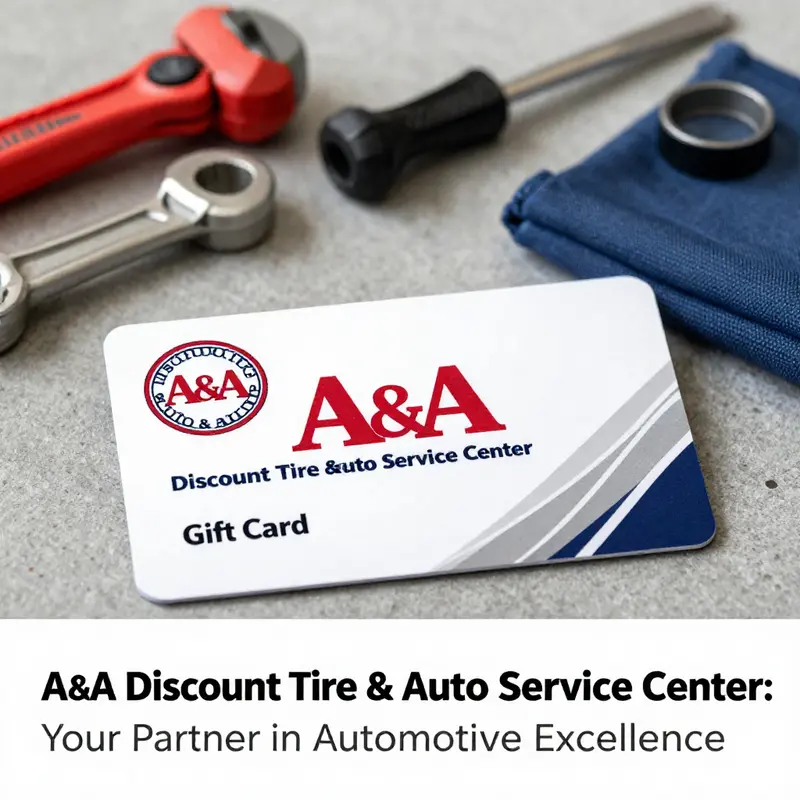
A gift card for vehicle care is more than a present. It offers freedom and flexibility at a moment when a driver’s confidence on the road matters most. At A&A Discount Tire & Auto Service Center, the idea is simple and practical: give recipients access to a broad spectrum of vehicle care so they can choose what they need, when they need it. The center understands that car ownership is a daily compromise between safety, reliability, and budgeting. A gift card can help restore balance, turning an unpredictable expense into a predictable, thoughtful gesture. The cards can be tailored to fit a range of occasions and budgets, with customized amounts that can reach up to a generous threshold. This flexibility makes gift cards well suited for milestones such as new driver celebrations, holidays, graduations, or simply as a token of appreciation for someone who keeps the wheels turning. In the hands of a thoughtful giver, a gift card becomes a gateway to ongoing peace of mind for a vehicle that, like so many things in life, deserves regular care. What makes A&A’s gift cards particularly appealing is their adaptability across services. Recipients can redeem the funds for a variety of essential vehicle care and safety needs, from routine maintenance to more intensive interventions. The gift card eliminates the friction of price discussions before a visit and provides a clear path for the recipient to direct the funds toward the care that matters most to them. Instead of selecting a single service, a recipient can allocate the value toward a combination of needs over multiple visits. This approach aligns well with the reality of keeping a vehicle in good working order: maintenance is rarely a one-off event, and the value of a flexible card grows with every visit that it supports. The ability to draw on a single pool of funds, rather than negotiating each service individually, also reduces the stress often associated with auto repair expenses. It is, in effect, a confidence booster for both drivers and their families, particularly in a time when reliable transportation underpins daily life, work, and family commitments. Delivering the gift card is as thoughtful as the gift itself. A&A offers the option to deliver gift cards via email, a modern touch that suits busy schedules and last-minute celebrations. The digital delivery enhances convenience for both the giver and the recipient, allowing a quick purchase and immediate access to funds. The recipient can then plan a visit to A&A at their convenience, confident that the card is ready to be used toward a broad spectrum of services. This digital approach also opens up opportunities for spontaneous acts of generosity—such as sending a last-minute thank-you or belated birthday surprise—so long as the recipient knows how to redeem the value when the need arises. The ability to confer a significant amount electronically is especially helpful for those who wish to support someone who keeps a vehicle on the road for everyday responsibilities, commutes, and family trips. An added dimension of value comes from pairing the gift card with practical, portable automotive accessories. A thoughtfully curated auto care package can turn a gift into a practical toolkit for better roadside readiness. For instance, the idea of a compact emergency kit—featuring essentials like jumper cables, a portable inflator, a compact flashlight, gloves, and reflective safety equipment—can accompany the gift card as a comprehensive, ready-to-use gift. The combination speaks to foresight and preparedness, two qualities every driver can appreciate. Such a pairing does not just cover immediate repair needs; it also empowers a recipient to handle unexpected situations with calm and competence. It is the practical echo of the trust a gift card represents, a reminder that maintaining a vehicle is a shared responsibility between the provider and the owner. The broader implication of offering gift cards at a community level is the way it reinforces steady, predictable access to maintenance and care. Givers can spare recipients from unexpected financial shocks while encouraging proactive vehicle upkeep. Recipients gain clarity about planned maintenance budgets, enabling smarter decisions about when to repair versus replace. In turn, the local service center strengthens its relationship with the community by showing its willingness to meet customers where they are, with flexible options and a welcoming approach to questions and plans. This environment—where the focus is on accessibility, trust, and ongoing support—becomes a natural extension of the center’s customer-first ethos. It is not just about monetizing a service; it is about investing in the safety and reliability that every driver deserves when they turn the key and start their day. To illustrate how this approach translates into practical guidance for gift buyers, consider the recipient who is new to driving or recently relocated, perhaps starting a demanding daily routine or a long commute. A gift card grants them choice and independence at the moment when they are building new routines and expectations around their vehicle. The funds can be allocated toward a sequence of visits that address different aspects of vehicle care—keeping systems in harmony, ensuring tires and wheels are well maintained, and safeguarding electrical and battery systems. The recipient can plan visits around their schedule, taking advantage of any seasonal considerations or maintenance windows that align with their driving patterns. In other words, the gift card becomes a flexible itinerary for car care, not a single fix. It respects the realities of life in which time, money, and safety intertwine in unpredictable ways, offering a steady, reliable approach to staying road-ready. For those who want to explore similar options in other contexts, it can be helpful to see how digital gift offerings are presented across related automotive centers. A convenient example can be found at aa-auto-service-chicago, which demonstrates how online gift options can be communicated with clarity and ease: https://veteranauto.us/aa-auto-service-chicago/. Beyond the practical mechanics of gifting, there is a deeper value in encouraging vehicle care through a trusted local partner. A&A Discount Tire & Auto Service Center has built a reputation around accessibility and service quality. When a gift card carries that reputation, it offers more than money for work on a vehicle; it conveys a promise that a recipient can rely on a courteous, capable team that treats every visit as an opportunity to strengthen safety and performance on the road. The center’s willingness to engage directly with customers—whether through flexible card amounts, digital delivery, or guidance on how funds can be applied across various needs—signals a commitment to ongoing care. That commitment matters when a gift is given with the intention of reducing worry, delivering value, and supporting the everyday journeys that define modern life. The card thus becomes not merely a financial instrument but a social gesture—a way to say, I see your responsibilities and I want to help you meet them with confidence and calm. For those who wish to delve deeper into the broader ecosystem of automotive gift options, additional resources exist that illustrate the practical potential of gift cards in this sector. The Giftly platform provides a comprehensive example of how gift cards can be structured for auto care, including recipient-friendly redemption options and seamless delivery. See the external reference for a broader perspective on how gift cards can function within automotive services: https://www.giftly.com/gift-cards/aa-auto-repair-tire-service.
Steering Mobility and Community Wellness: The Local Impact of A&A Discount Tire & Auto Service Center
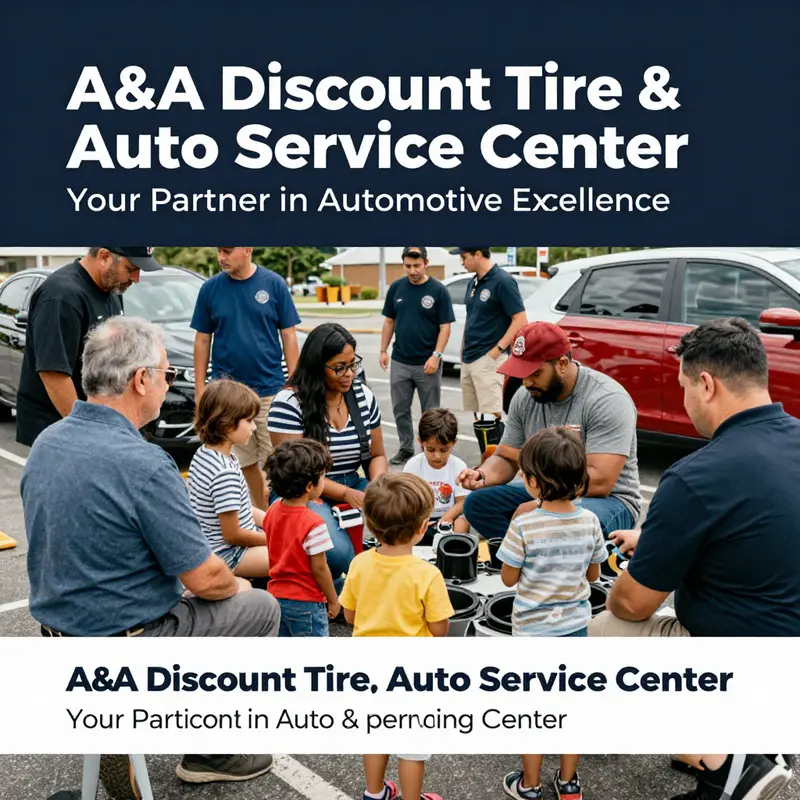
In a city where routine commutes and unexpected detours shape daily life, a tire and auto service center can quietly become a pillar of stability. In Wilmington, A&A Discount Tire & Auto Service Center emerges not merely as a place to buy tires or fix a car, but as a neighborhood hub that upholds mobility, safety, and the confidence people rely on to run their days. The shop sits at the crossroads of practical need and long-term wellbeing, where the work performed inside its bays translates into smoother mornings, safer school runs, and more predictable journeys for families and workers alike. The gravity of this role becomes clearer when one considers the everyday edges of mobility—the moment a tire grips the road with confidence, or a brake inspection confirms that a vehicle will respond in an emergency. These moments extend beyond comfort and convenience; they shape people’s ability to keep jobs, to attend medical appointments, to return home after long shifts, and to participate in community life with less worry about mechanical failure. In this sense, the Center functions as a community amenity, not just a business, and its value is measured in the quiet, recurring returns it yields for the neighborhood’s collective rhythm.\n\nThe services offered—tire installation and rotation, wheel alignment, brake inspections, oil changes, battery replacements, and seasonal tire swaps—form a practical portfolio designed to sustain the vehicles that undergird everyday life. When a tire is installed correctly and balanced, the ride feels steadier, grip is predictable, and the vehicle can respond to steering input with clear intention. A precision wheel alignment matters beyond mere straight-line tracking; it conserves tire tread, shields against uneven wear, and improves fuel efficiency. That efficiency translates into fewer visits to the pump and a modest return on the investment of a well-tuned vehicle, which matters to households watching every dollar. Brake inspections are more than a checkup; they are a comprehensive assessment of a vehicle’s most critical safety system, the kind of routine care that prevents emergencies on a crowded morning commute or a late-night drive home from work. An oil change may seem routine, yet it is a shield for the engine’s longevity, reducing the risk of unexpected failures that disrupt employment plans. Battery replacements, particularly in seasons of temperature flux, bolster reliability for those who depend on their cars to start on cold mornings or to keep essential trips on schedule. Seasonal tire swaps remind communities that maintenance is a rhythm—an annual cadence that aligns with weather, road conditions, and the realities of both work and family life.\n\nThese services are not isolated acts; they contribute to a larger pattern of public safety and personal stability. When a vehicle is well maintained, it is less prone to sudden breakdowns, and the likelihood of unsafe situations on the road declines. This is not just about a single driver; it is about a community where dozens, perhaps hundreds, rely on personal transportation to coordinate work shifts, school transportation, medical appointments, and caregiving responsibilities. In this sense, the Center helps to minimize the disruption that car trouble can cause in a neighborhood where every minute saved translates into a greater capacity to meet obligations and participate in local life. The reliability that comes from consistent maintenance ripples outward: a parent can get a child to practice on time, a shift worker can arrive for a night shift without the stress of a late start, and an elderly neighbor can make a crucial visit without worrying about a roadside stop turning into a crisis.\n\nBehind the scenes, the center’s approach to customer service reinforces this dependable ecosystem. A focus on clear communication, transparent pricing, and respectful treatment turns service into trust. People visiting the shop often describe a sense of reassurance—knowing that technicians will explain what is happening, what needs attention, and what options exist for next steps. That clarity reduces the anxiety that can accompany car maintenance, particularly for individuals who may feel vulnerable when their vehicle is the sole means of mobility. In practice, this means straightforward scheduling, timely updates, and explanations that help drivers weigh tradeoffs between cost, safety, and convenience. The result is not merely a car that runs smoothly; it is a relationship between a local business and its customers built on reliability, empathy, and accountability. Such a relationship strengthens consumer confidence in the broader local economy, encouraging residents to support a network of independent providers who contribute to the area’s economic vitality rather than chasing distant, impersonal chains.\n\nEconomic implications extend beyond day-to-day transactions. An anchor like this center creates employment opportunities for residents, from technicians to front-desk staff to administrative roles. Local hiring stimulates the regional economy by circulating wages within the community, supporting families, and enabling more robust consumer spending in nearby shops and services. These jobs also foster skill development that benefits the broader labor market: technical training, customer-service excellence, and problem-solving abilities that translate to other forms of work in the area. In addition, the center’s operation supports a local ecosystem of automotive service providers. When a shop maintains a steady flow of customers, it can partner with nearby businesses for maintenance-related needs, parts supply, and specialized services, contributing to a network of independent enterprises that keeps the local economy diverse and resilient. This is how fundamental services—often taken for granted—become engines of opportunity, helping to spread the benefits of commerce to surrounding neighborhoods and reinforcing a culture of enterprise that relies on trusted, community-rooted businesses.\n\nFrom an environmental perspective, responsible maintenance plays a meaningful role in sustainability. Vehicles that are properly aligned, have healthy brakes, and operate with clean oil and fresh batteries tend to run more efficiently and produce fewer unexpected emissions due to avoidable mechanical faults. Extending a vehicle’s life through proactive maintenance reduces the churn of new car purchases and associated resource use, aligning with broader community goals to minimize waste and conserve materials. Seasonal tire swaps, done with attention to tire wear and proper storage when not in use, further contribute to this ethos by maximizing the usefulness of what drivers already own. The environmental argument for regular maintenance is pragmatic: fewer trips to the shop for preventable problems, less waste from discarded parts, and more reliable operation that supports people’s livelihoods without imposing unnecessary financial or environmental costs.\n\nCivic life benefits as well when predictable maintenance supports road safety and traffic reliability. Safer vehicles on the road reduce the potential for accidents that strain local emergency services and hospital resources. When families schedule routine checks ahead of holiday travel, or when workers ensure their vehicles are road-ready before long commutes, the overall safety net of the community strengthens. A shop that emphasizes thorough inspections and honest recommendations helps residents distinguish between what should be fixed now and what can be monitored over time. This stance respects both budgets and safety, offering guidance that empowers customers to plan ahead rather than react to urgent, sometimes abrupt, breakdowns.\n\nMoreover, the center’s presence signals a broader commitment to community welfare that goes beyond mechanics. By offering accessible services within a familiar locale, it reduces the barriers that may prevent some residents from seeking essential maintenance. The neighborhood knows where to go when a tire wears unevenly or a brake pedal feels soft; this familiarity fosters a sense of security because people understand there is a local partner who will treat them fairly and stand behind the workmanship. In times of economic fluctuation or weather-related disruption, a dependable local shop can anchor daily life, enabling families to preserve routines essential for stability and well-being. The cumulative effect is not just healthier cars, but healthier communities—places where trust, service, and shared responsibility help people move forward with confidence.\n\nFor readers exploring how automotive centers intersect with community life, the Wilmington example offers a case study in practical impact. It demonstrates how a narrow focus on auto care can expand into broader social value: employment, local procurement, safety, and environmental stewardship. It also underscores the importance of customer-centric service as a mechanism for building durable community ties. The center’s approach—clear communication, dependable workmanship, and a commitment to safety and affordability—serves as a blueprint for how neighborhood businesses can sustain themselves while contributing meaningfully to the people who rely on them every day. In short, the local impact of a tire and auto service center can be measured not only in miles driven without incident but in the steady, positive ways it helps a community keep moving together.\n\nExternal resources for further context on professional profiles and industry perspectives can be found here: https://www.linkedin.com/company/a-a-tire-and-auto-service/
Final thoughts
A&A Discount Tire & Auto Service Center serves more than just cars; it stands as a vital part of the Wilmington community, catering to a range of automotive needs alongside a heartfelt commitment to customer care. The center’s diverse services, focus on personalized experiences, convenient location, potential gift options, and impactful community initiatives make it a trusted partner for private car owners, fleet operators, car dealerships, and auto repair shops alike. This dedication to comprehensive care ensures vehicles not only run safely but also instills confidence in every customer who walks through the door.