
Auto air conditioning systems play a crucial role in providing comfort and maintaining air quality inside vehicles. Regular servicing is key to preventing breakdowns and ensuring peak performance. This guide is tailored for private car owners, small business fleet operators, car dealerships, and auto repair shops, and will cover fundamental aspects of auto air conditioning service. We will explore regular maintenance practices, optimal usage techniques, professional servicing protocols, and troubleshooting common issues.
Routine Care That Keeps Your Car’s AC Reliable and Efficient
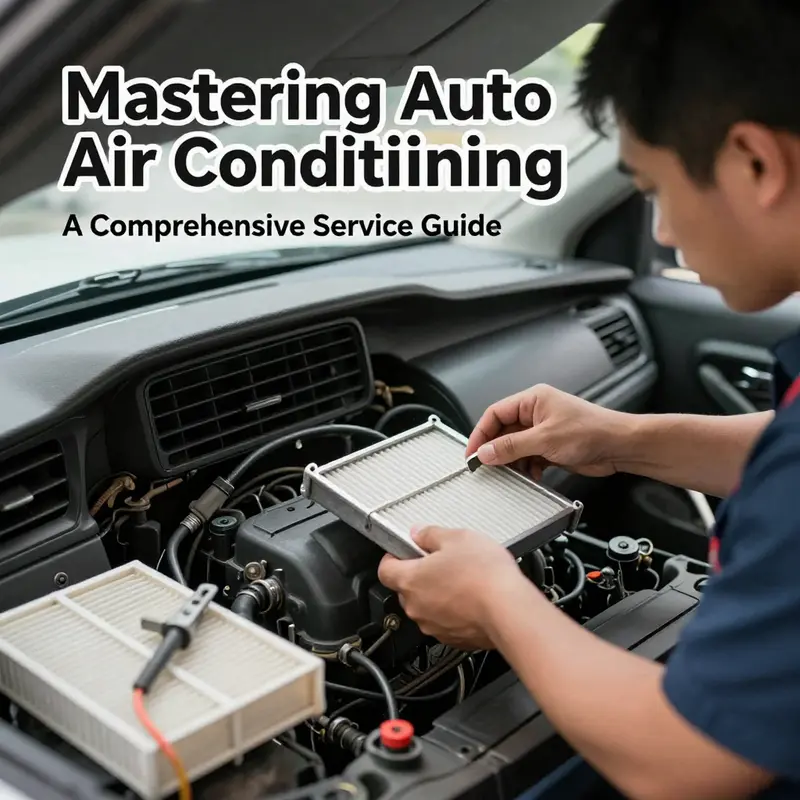
Maintaining an automotive air conditioning system is less about dramatic repairs and more about steady, informed care. A well-kept AC keeps you comfortable, reduces fuel waste, and prevents a cascade of expensive failures. The system’s core components — the compressor, condenser, evaporator, hoses, and associated ducts — work together under pressure and heat. Small problems grow fast in that environment. Regular maintenance reduces that risk. It also preserves cabin air quality by removing dust, pollen, and biological buildup before they spread.
Start with the cabin air filter. This simple, low-cost component is the first line of defense for airflow and air quality. Replace it at least once every 10,000 to 15,000 miles, or every year. In dusty or urban areas change it more often. A clogged filter reduces airflow and makes the blower work harder. That extra strain lowers efficiency and may cause uneven cooling. It also traps moisture and particulates that feed mold and odors. When you change the filter, inspect the housing. Leaves, debris, or small nests can block intake and create an odor problem later.
Behind the filter, the evaporator and ductwork require attention at least annually. The evaporator core sits in a humid environment and is prone to mold and bacterial growth. That growth produces musty smells and can spread airborne contaminants into the cabin. Use a professional-grade evaporator cleaner if you tackle this yourself. Spray the cleaner into the air intake area with the AC running to distribute the solution. Let the system cycle long enough for the cleaner to reach deep into the ducts. For the most effective outcome, consider a technician who can access the evaporator directly and perform a controlled disinfection that removes buildup without harming delicate fins or electronics.
Leaking refrigerant is the most common technical problem. Small leaks reduce cooling capacity and increase compressor wear. If the system runs but fails to cool effectively, low refrigerant is a likely cause. Diagnosing refrigerant level precisely requires proper gauges. Modern digital AC recharge gauges provide accurate, real-time high and low side pressures. They help identify undercharging, overcharging, and blockages. A correct refrigerant charge matters. Too little refrigerant reduces cooling and risks compressor overheating. Too much refrigerant increases pressure and can damage seals or trigger safety cutouts. Always have a qualified technician check and charge refrigerant. Handling refrigerants requires training and certified equipment, both for safety and environmental compliance.
A visual inspection of hoses, belts, and fittings pays dividends. Hoses age and crack. Fittings loosen and cause oil-streaked residue that points to leaks. Belt slippage or wear affects compressor drive and overall performance. Inspect connections for corrosion and damage. Check for oil traces on hose ends and around the compressor or condenser. That oil often marks a refrigerant leak. If you spot residue, schedule a professional inspection sooner rather than later. Catching a slow leak early prevents total system failure and the need for compressor replacement.
The condenser sits in front of the engine and must dissipate heat efficiently. Road debris, insects, and leaves reduce its effectiveness. Clean the condenser gently with low-pressure water or compressed air from the engine side. Avoid bending the cooling fins. If the fins are clogged or damaged, a technician can straighten them with a fin comb. A restricted condenser raises system pressure and forces the compressor to work harder. During a service appointment, request a condenser inspection and a cleaning if needed.
Electrical checks are easy to overlook but essential. Modern AC systems rely on sensors, relays, and fuses. A failed relay or blown fuse can stop the system without any mechanical fault. Thermistors and pressure sensors help the control module adjust operation. Faulty sensors can cause erratic cooling or prevent compressor engagement. When the AC shows intermittent or odd behavior, have the technician scan the system for error codes. Repairing or replacing a sensor is almost always less costly than replacing a compressor.
Regular maintenance also means using the system correctly to minimize stress. On hot days, vent the cabin briefly before starting the AC. This clears trapped heat, reducing the initial load on the compressor. After cooling the cabin, switch to recirculation for efficiency, but avoid leaving it on indefinitely. Alternating with fresh air reduces humidity and staves off stale odors. During winter, run the AC for five to ten minutes monthly. Doing this keeps seals lubricated and prevents moisture from settling. It helps ensure the compressor operates smoothly when you need it in summer.
For vehicle owners considering DIY tasks, some maintenance is safe and straightforward. Cabin filter changes and condenser surface cleaning are within reach for most owners. Always consult the vehicle manual for filter access instructions. Keep replacement filters specific to your model. When you get beyond those tasks — opening refrigerant lines, charging the system, or diagnosing pressure anomalies — step back. Those procedures need calibrated gauges and certified refrigerant handling. For safety and legal reasons, leave refrigerant handling to trained technicians.
A professional inspection schedule keeps the system healthy. Consider an annual AC service that includes a pressure check, leak inspection, and evaporator cleaning. During that service, ask the technician to attach digital recharge gauges for a precise pressure reading. Those gauges help detect subtle problems that analog instruments might miss. They also make refrigerant recharging accurate. Precise charging reduces the risk of overpressure and improves cooling efficiency. Technicians can also inspect the compressor clutch, the receiver-drier or accumulator, and the expansion valve or orifice tube. These parts fail slowly and give warning signs when tested by a trained eye.
If an odor or poor airflow persists after basic maintenance, deeper cleaning or component replacement may be necessary. Evaporator cores sometimes require professional disassembly and cleaning. Duct sanitization may need specialist foams or foggers. Replace an evaporator when corrosion or leaks make repairs impractical. Likewise, a failing compressor often shows symptoms like factory-set slipping noises, clutch failure, or metal contamination in the refrigerant oil. Replacing a compressor without correcting the root cause invites premature failure. Always flush the system and replace the filter-drier when replacing the compressor.
Keep records of all maintenance. Note filter changes, refrigerant top-ups, and professional services. A documented maintenance history helps technicians diagnose recurring problems faster. It also protects your investment. When buying a used vehicle, ask for that history. A well-documented service record usually indicates an owner who takes system longevity seriously.
Finally, use trusted resources to stay informed. Technical articles on AC recharge gauges explain the engineering behind modern service tools. They also describe best practices for safe, accurate servicing. For more hands-on help finding local support, refer to a local car repair services page that lists trusted shops and services. These resources help you decide when to DIY and when to request expert attention.
External technical guidance on modern recharge equipment and standards is available in the linked resource below. It explains how digital gauges improve accuracy and safety in AC servicing. Use it to understand why precise pressure readings matter and how they guide a correct refrigerant charge.
External resource: https://www.autoblog.com/auto-air-conditioning-recharge-gauges-key-standards-physical-properties-and-engineering-applications
Internal resource: https://veteranauto.us/car-auto-repair-services/
Precision, Safety, and Longevity: Mastering Proper Usage Techniques for Auto Air Conditioning Service
The proper usage of auto air conditioning service is less a collection of tricks and more a disciplined sequence of steps that protect the system, the environment, and the people who work on it. When you treat AC service as an integrated process rather than a series of isolated tasks, you reduce the risk of moisture ingress, refrigerant loss, and performance degradation. This approach begins with respect for the system’s internals and extends to the tools you use, the measurements you rely on, and the standards you follow. In practice, it means following a methodical routine that starts before any component is opened and continues long after the service is complete. It means understanding why each step exists and how it protects both the vehicle and the technician. It also means recognizing that modern automotive air conditioning is a tightly controlled, refrigerant-based climate system whose efficiency hinges on precise charges, clean passages, and airtight seals.
A core principle of proper usage is evacuation. Before you add refrigerant to any system that has been opened for repair, the entire circuit must be evacuated with a vacuum pump. This is not merely about removing air; it is about removing moisture. Water within the refrigeration circuit can react with refrigerant and oil to form acids that can corrode components, especially the aluminum and copper paths that carry the refrigerant. Ice can form in the expansion valve if moisture remains, which, in turn, reduces cooling capacity and can cause erratic operation. A true deep vacuum—typically below 500 microns—for a sustained period, often around 30 minutes, ensures that air and moisture are minimized. This step becomes even more critical after a repair that involves opening the system, such as replacing a hose, a connective fitting, or the condenser. Skipping it or rushing it invites long-term trouble. The discipline of vacuum evacuation is a safeguard; it is the quiet, unseen engineer that makes subsequent charging reliable and repeatable.
Equally important is the careful selection of refrigerants and the tools that interact with them. Modern vehicles commonly use a refrigerant like R-1234yf, while older ones may still rely on R-134a. Each refrigerant is a chemical system with its own pressure characteristics, compatibility considerations, and environmental footprints. The technician must verify that the charging station, recovery machine, gauge sets, and hoses are designed for the specific refrigerant in the vehicle. Using the wrong tool for the wrong refrigerant is not a minor mismatch; it can contaminate the system, skew pressure readings, and create unsafe reactions. The compatibility check should be routine, not optional. The gauge sets, in particular, need to be calibrated and purged before they connect to the system to avoid introducing residual air or contaminants that would throw off readings or dilute the lubricant in the oil inside the compressor.
When it comes to charging, precision is paramount. Refrigerant charging according to manufacturer specifications—whether by weight or by pressure—ensures the system operates within its design envelope. Overcharging increases head pressure, which places unnecessary stress on the compressor and condenser, and can shorten the life of these components. Undercharging, conversely, yields weak cooling and poor humidity control, forcing the compressor to work harder and possibly leading to accelerated wear. Modern digital charging stations, with their built-in diagnostics, help reduce human error by providing clear targets and alerts. But even with high-tech tools, the operator must understand the thermodynamics at play: the refrigerant’s phase behavior, the knowledge of how the evaporator and condenser pathways interact under real-world driving conditions, and the way cabin temperature correlates with outside air temperature and humidity.
An essential companion to proper charging is a thorough leak detection and system integrity check. Leaks undermine every effort to restore comfort and efficiency. After any service that touches the refrigerant circuit, a leak test should be performed using appropriate methods such as electronic sniffers, UV dye, or pressure testing. A leak test should ideally cover both static conditions (with the vehicle off) and operating conditions (with the engine and AC running under controlled loads). This ensures that slow leaks are identified before they become obvious performance losses. When a leak is found, the repair must address it directly—whether that means replacing a faulty hose, repairing a connection, or addressing a seal around the compressor. The goal is not merely to pass a dye test but to confirm long-term integrity and to minimize refrigerant loss into the atmosphere.
Recovery and recycling of refrigerants also deserve careful attention. Regulatory requirements and industry standards dictate that refrigerants must be recovered before any service involving open components. This is not a mere courtesy to the environment; it is a necessity to prevent the release of greenhouse gases and to maintain the refrigerant within a closed-loop system where possible. Recovered refrigerant should be recycled if feasible, rather than vented to the atmosphere. This practice aligns with environmental stewardship and with practical shop discipline that prioritizes responsible work. For technicians, the recovery process is a controlled operation that requires properly maintained recovery equipment, validated by the appropriate certifications, to ensure that the recovered refrigerant can be reused or properly disposed of according to regulations.
The method of diagnosis itself relies on accurate, repeatable measurements. Gauge sets, especially dual-gauge varieties, remain a cornerstone of this process. They provide real-time insight into the state of the system’s high and low sides, offering clues about proper charge levels, potential blockages, or compressor issues. The readings must be interpreted within the context of ambient conditions, engine temperature, and compressor operation. Purging hoses before connecting to the system reduces the risk of introducing moisture or air that could distort readings. The goal is not to obtain a single data point but to develop a sequence of observations that tells a coherent story about the system’s health and performance.
Throughout all of this, ignition of the process should be guided by the vehicle’s manufacturer specifications and broad industry standards. It is easy to rely on experience alone, but experience without boundary conditions can lead to inconsistent results. Therefore, technicians consult official service guides and reference materials that codify safety precautions, procedure sequences, and the correct handling of refrigerants. One widely respected resource is the Automotive Air-Conditioning Refrigerant Service Guide published by SAE International, which consolidates the procedural rigor required for proper service. The link to this resource is provided in professional settings to ensure practitioners align with tested practices and safety norms. In the interest of informed practice, any service should be cross-checked against such guidance to avoid ad hoc methods that may compromise system integrity.
In applying these principles to real-world service, a well-trained technician treats the process as a sequence rather than a collection of isolated tasks. Evacuation, refrigerant compatibility, accurate diagnosis with gauge sets, leak detection, and proper charging are not discrete steps but a continuum that preserves the integrity of the system. The environment benefits as well, since responsible recovery and minimized refrigerant loss reduce the ecological footprint of automotive repair work. The customer benefits through better cooling performance, better fuel efficiency (in some driving conditions, a well-functioning AC reduces the load on the engine by reducing the need for the HVAC system to run at higher power levels), and a longer service life for the climate control components.
A note on usage beyond the lab or the shop floor is also essential. For many drivers, the AC is an essential comfort device, but it is not a stand-alone climate solution. The system relies on a balanced interplay with the vehicle’s electrical system, engine cooling, and cabin air management. Therefore, technicians should validate that the electrical connections and sensors related to the climate control are within spec, and that the condenser is clean and free of debris that could restrict heat rejection. A clean condenser is not just a cosmetic concern; it is a functional requirement for maintaining the correct pressures in both the high and low sides of the system. Regular cleaning, particularly in dusty or urban environments, helps sustain cooling performance and reduces the likelihood of compressor cycling that could shorten system life.
If the service history of a vehicle shows repeated AC issues despite seemingly correct procedures, consider a broader diagnostic approach. Sometimes a symptom like weak cooling can be traced to a refrigerant leak, yes, but other times it can point to issues in the electrical control logic, failed pressure sensors, or a malfunctioning blower motor. A holistic push to diagnose means evaluating climate control performance across a range of settings—different temperatures, fan speeds, and air distribution patterns—while monitoring electrical and sensor feedback. This approach helps distinguish a true refrigerant or mechanical problem from a control-system anomaly that may mimic a refrigerant issue.
The end goal of proper usage techniques is not simply restoring cold air but ensuring reliable, safe, and efficient operation for the long term. It requires a thorough understanding of the system’s physics, careful tool handling, and adherence to regulatory and safety standards. It also invites a culture of professional accountability: documenting procedures, verifying readings, and following through with tests to confirm that the system operates within spec after service. When done correctly, the AC will deliver consistent comfort in summer heat and dependable performance in shoulder seasons, while preserving the vehicle’s electrical and mechanical health for years to come.
For practitioners seeking a concise reference, the official guidance on refrigerant service—covering procedures, safety precautions, and retrofitting considerations for various refrigerants—remains a foundational resource. In practice, you can consult the Automotive Air-Conditioning Refrigerant Service Guide from SAE International for comprehensive details and updated standards. See the external resource at https://www.sae.org/publications/technical-papers/content/r-141a/ for further information and the official procedural framework that professionals rely on when performing advanced AC service. And for readers exploring how these principles translate into routine maintenance or more routine shop work, consider visiting a local service center that provides a broad range of automotive care under the umbrella of standard vehicle maintenance and repair, such as a reputable Car Auto Repair Services shop to observe how these practices are implemented in a real-world setting. By following these guidelines, technicians can deliver a service that is not only effective but also disciplined and responsible, elevating the practice of auto air conditioning service from a routine task to a carefully engineered operation.
When to Call a Pro: Expert Service and Repair for Your Car’s Air Conditioning
Automotive air conditioning is more than a comfort feature. It is a system of precision parts, moving fluids, and electronic controls. When it fails, the causes range from a simple clogged cabin filter to a leaking evaporator or a failing compressor. Many owners can perform basic upkeep, but complex problems need professional attention. This chapter explains what to expect from expert service, why professional procedures matter, and how to choose a shop that will restore your AC reliably and safely.
What a Professional Service Covers and Why It Matters
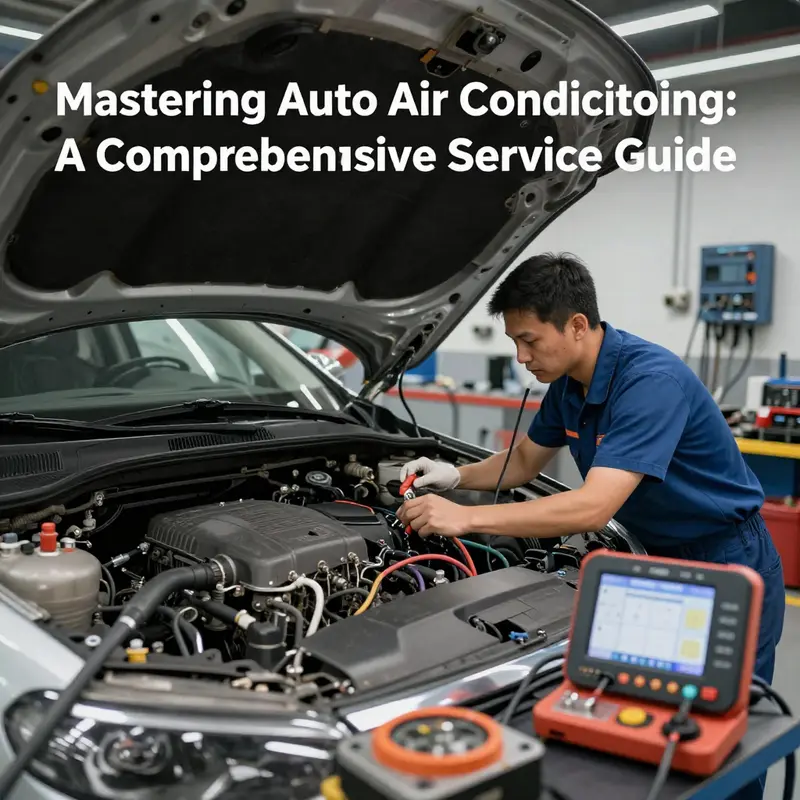
A professional AC service begins with accurate diagnosis. Trained technicians rely on tools that most owners do not have. They will check refrigerant pressure with gauges and compare readings to manufacturer specifications. They inspect system components visually and by touch, feeling for temperature differences along the high and low pressure lines. Technicians also listen for abnormal sounds from the compressor clutch or pulley. These steps narrow down causes quickly. A correct diagnosis prevents wasted parts, repeated visits, and unexpected failures after repair.
Refrigerant management is a key reason to use a professional. Refrigerant is a controlled substance in many regions. Certified technicians recover and recycle refrigerant using certified machines. This protects the environment and keeps you compliant with regulations. Proper recovery also prevents under- or over-charging the system, which both harm performance and reduce component life. Once the system is repaired, professionals evacuate it, check for leaks with vacuum and leak detectors, and then recharge to the exact specification.
Component replacement requires skill and specific procedures. Replacing a compressor, condenser, or evaporator is not simply swapping parts. The system must be evacuated before opening the sealed circuit. Replacement often requires replacing the receiver-drier or accumulator and the expansion valve or orifice tube. These small parts contain desiccant and screens that trap moisture and debris. If not replaced when needed, they allow contaminants to circulate and damage the new compressor quickly. Professionals also lubricate the system properly and measure oil quantity against the vehicle’s service manual.
Electrical faults and control issues can mimic refrigerant or compressor problems. A failed blower motor resistor, a stuck blend door, or a faulty temperature sensor will affect comfort but not make the refrigerant gauge show a leak. Technicians test fuses, relays, and actuators. They will scan the HVAC control module for stored fault codes and interpret them within the system context. This prevents misdiagnosis and keeps repair costs in line with actual needs.
Cleaning and preventive maintenance are part of a professional service too. Condenser fins can become clogged with road debris, reducing heat rejection. A technician will clean and straighten fins as needed. The evaporator and ducts can host mold and bacteria that cause odors and poor air quality. Professional cleaning uses safe, effective cleaners applied through the intake while the system runs. Technicians also recommend and replace the cabin air filter, a simple but critical step that supports airflow and reduces strain on the system.
A trustworthy technician discusses preventive care with you. Routine checks catch issues while they are small. A yearly inspection saves money in the long run. During such inspections, belts and hoses are checked for wear. Fasteners and mounting brackets are examined. Small refrigerant leaks are found early with dye or electronic detectors. Addressing these early avoids compressor replacement, which is one of the costliest repairs.
Choosing the right shop matters as much as choosing the right parts. Look for shops with certified technicians and up-to-date equipment. Proper tools include vacuum pumps, refrigerant recovery machines, and refrigerant scales. Transparency in pricing shows professional integrity. A good shop explains diagnosis steps and shows you test results when appropriate. Warranties on both parts and labor indicate the shop stands behind its work. Ask about warranty terms before authorizing repairs.
Expect clear communication during the repair process. The best shops explain the problem, the repair plan, and the parts required. They show the old components if you request it. They provide an estimate that separates parts, labor, and any environmental or disposal fees. Ask for a written estimate and a projected timeline. Simple repairs may be completed the same day. Complex jobs involving part ordering or extensive system evacuation may take longer.
Costs vary with the failure type. A cabin filter or a blower motor resistor is inexpensive. Compressor replacement with associated parts is expensive. Labor time rises when the evaporator sits deep inside the dashboard. Consider the vehicle’s age and future value when deciding on repairs. For older cars, weigh repair costs against the vehicle’s overall condition and your long-term plans. If you plan to keep the car, proper repair preserves comfort and resale value.
After the repair, technicians run the system through a full performance check. They verify cabin temperature at various fan speeds. They measure pressures and compare them to expected values. They ensure there are no unusual sounds and that airflow meets specification. A post-repair test confirms the problem is solved and reduces the chance of a repeat visit.
There are also safety issues that demand professional handling. Exposure to refrigerant can cause frostbite or respiratory irritation. High-pressure hoses can release fluid suddenly. Incorrect refrigerant disposal harms the environment and can create legal liabilities. Certified technicians know safety protocols and have the protective equipment needed.
When you need to find a shop, local reputation matters. Online reviews show patterns of satisfaction or recurring problems. Personal recommendations from friends and family also help. If you need a place that handles complex repairs, search for shops listed under general service categories like “local auto repair services” to compare offerings and capabilities. A good shop will welcome questions and provide clear answers about procedures and outcomes.
Professional training and technical support matter behind the scenes. Technicians who receive ongoing training keep up with the latest vehicle platforms and refrigerant types. Shops with access to technical support and parts networks can source hard-to-find components quickly. This reduces downtime and ensures repairs follow current best practices.
Warranty and documentation protect you after the repair. Keep the invoice and a written description of the work performed. Warranties often require that you keep service records. If the same component fails within the warranty period, you have proof of previous repair. A reputable shop will stand by their work and resolve legitimate issues promptly.
Preventing future failures starts with the habits you follow after service. Replace the cabin air filter at recommended intervals. Run the AC briefly in winter to keep seals lubricated. Avoid heavy, constant recirculation that raises humidity and encourages mold. If you notice changes in sound, airflow, or smell, contact the shop early. Early intervention keeps repair bills down.
In complicated cases, it helps to ask for a detailed diagnostic report. This report should state measured pressures, temperature readings, and any codes found. It should list replaced parts and the reasons for replacement. A diagnostic record is useful if subsequent shops need to review past work.
Professional service and repair protect comfort, health, and vehicle value. Skilled technicians diagnose accurately, manage refrigerant legally, and replace critical parts correctly. They also provide preventive guidance and warranty protection. When your AC acts up, prompt professional attention saves time and money compared to guessing at fixes. For a reliable professional reference on repair solutions and industry best practices, consult an authoritative technical resource: https://www.valeo.com/en/service/.
When the Cool Fails: A Practical, Integrated Guide to Troubleshooting Auto Air Conditioning
A car’s air conditioning system is a compact, highly coordinated loop of refrigerant, air, and mechanical action that keeps the interior cabin comfortable no matter what the climate is doing outside. When that cool air suddenly turns warm, the experience is not just uncomfortable; it can also signal a fault that, if ignored, may worsen with time. Troubleshooting an auto AC in a way that is both effective and economical begins with understanding the core components and how they interact. At the heart of the system is a sealed circuit in which refrigerant—typically either the traditional R-134a or the newer R-1234yf—circulates through the compressor, condenser, evaporator, and the various metering devices and moisture removers. The compressor acts as the pump, raising the refrigerant’s pressure so it can circulate; the condenser, located in front of the radiator, cools the high‑pressure gas into a liquid; the evaporator sits inside the cabin and absorbs heat as the refrigerant boils away; and the expansion valve or orifice tube meters the refrigerant into the evaporator. A receiver/drier or accumulator helps remove moisture and debris from the refrigerant, which is crucial for protecting the system inside a sealed ecosystem. When any one of these pieces falters, the cooling cycle can falter with it. In practice, the most common cause of warm air is a leak that reduces refrigerant levels. Refrigerant, unlike fuel, does not get consumed in the sense of a burn; it is recirculated in a closed loop. If a leak exists, even a small one over time can drop pressures enough that the compressor can no longer achieve the cooling effect. This reality highlights why professional refrigerant handling matters. Only a technician equipped with the right gauges can safely verify refrigerant pressures, locate leaks, and recharge the system if needed. Trying to “top off” refrigerant without diagnosing the leak often leads to a temporary improvement that fades as the leak continues, sometimes masking other underlying issues until they become more serious. With that context in mind, the most common culprits behind a failure to cool range from refrigerant loss to airflow restrictions, electrical faults, and mechanical wear. A disciplined approach to diagnosing each possibility begins by looking at the airflow and the cabin environment first. A clogged cabin air filter is a frequent, undervalued culprit. The cabin filter does more than block dust. It traps pollen, spores, and other pollutants that would otherwise pass into the evaporator core, where they can mix with moisture and form an environment conducive to mold and musty odors. The impact of a clogged filter is twofold: reduced airflow across the evaporator coil and a poorer heat exchange because less air moves over the coil’s surface. The result can feel like weak cooling even when the compressor is running normally, or worse, a coil that freezes over due to restricted airflow and high humidity. Replacing the cabin air filter is one of the most important regular maintenance tasks and is easy to perform, typically applicable every 10,000 to 15,000 miles or annually, with greater frequency in dusty or polluted environments. Yet while replacement is straightforward, it does not address all issues. A thorough cleaning of the evaporator and ducts is another essential maintenance step, ideally performed with professional-grade cleaners. The evaporator is a device that lives inside the dash, and over time it can accumulate mold, mildew, and bacteria. A proper cleaner introduced through the air intake—with the AC running—can circulate the cleaner through the system to address microbial buildup. This cleaning is best done once a year and is a meaningful contributor to both odor control and overall cooling efficiency. If you suspect a musty smell despite a fresh cabin filter, a cleaning can be transformative, restoring both air quality and evaporator performance. In parallel with airflow considerations, refrigerant levels become a central concern. Low refrigerant is the most common reason for weak cooling. While you cannot easily measure refrigerant levels at home, the symptom is clear: cold air at high settings is not achieving the expected chill. The fix requires specialized gauges to measure pressure on the low- and high-pressure sides of the system and, if needed, controlled addition of refrigerant by a qualified technician. This is not a DIY task. Refrigerant handling requires training for safety and environmental responsibility, and the system must be charged in a manner that respects the exact composition and quantity suitable for the vehicle. Beyond refrigerant and airflow, electrical faults can silently undermine cooling. The compressor may fail to engage if a fuse is blown, a relay is stuck, or a pressure switch signals a fault. Noisy operation can also point to a failing compressor clutch or a damaged belt. Electrical issues can be subtle, and diagnosing them often requires scanning for codes or performing direct inspections of fuses, relays, connections, and the control electronics. Mechanical wear also takes a toll, especially on aging systems. A compressor that refuses to cycle on, a damaged expansion device, or a failed blower motor can all interrupt the cooling cycle. It is easy to assume the problem is simply “the AC is weak,” but the reality is that a blend of these factors may be at play. When symptoms present themselves—weak airflow, inconsistent cooling, or audible squeaks and clunks—the prudent path is to see a technician who can test refrigerant pressures, inspect hoses for leaks, and verify the integrity of the condenser, compressor, and evaporator. Early signs that a problem is developing often show up as more subtle cues: a slight drop in cooling efficiency, a faint chemical odor when the system runs, or a persistent humid feel in the cabin. Even if the cause seems minor, these signals should not be dismissed. Regular maintenance helps prevent such issues from becoming disruptive. A disciplined maintenance regimen—especially cabin air filter changes and annual evaporator cleaning—protects the system’s health while preserving the quality of the cabin environment. The aim is not just to achieve cold air but to sustain consistent performance and avoid the corrosion and contamination that can accompany moisture ingress or microbial growth inside the ducts. Taking a proactive stance also involves mindful usage patterns. On hot days, a practical technique is to pre‑cool the car by briefly rolling down windows before turning on the AC. This practice helps to vent the hottest air from the cabin and reduces the load on the system as it begins cooling. Once the AC is on, prioritizing outside air initially helps expel the hottest air more rapidly. Only after the cabin has cooled should you shift to recirculation, which is more efficient for maintaining the desired temperature but can foster stale air and higher humidity if overused. The “auto” mode on modern systems usually offers the most efficient climate control by balancing temperature, airflow, and distribution automatically. Relying on auto can reduce energy waste and maintain comfort with less manual adjustment. Yet a note of balance remains essential: avoid prolonged, constant recirculation during long drives, and allow fresh air to reintroduce oxygen and help regulate humidity. In winter, it may seem counterintuitive to run the AC, but periodic use keeps the seals lubricated and prevents refrigerant from settling, ensuring the system remains ready for summer’s demand. Preventive care thus becomes a habit of attention: replace filters on schedule, schedule a yearly or biannual evaporator cleaning, and have the refrigerant system assessed by a professional when you notice persistent warmth or a decline in performance. When it comes to professional service and repair, the approach is thorough and diagnostic rather than reactive. A technician will perform a comprehensive inspection that attends to refrigerant level and pressure, the integrity of the condenser and compressor, and the condition of hoses for leaks or damage. They will assess the electrical system—fuses, relays, and sensors—that control the compressor’s engagement and the climate control logic. They will also inspect the condenser’s cleanliness, since a clogged condenser restricts heat transfer and reduces system efficiency. A well‑trained technician will not only identify leaks with specialized equipment but also determine whether a worn compressor clutch or a faulty pressure switch is preventing proper operation. If a leak is discovered, the path forward typically includes leak sealing or patching, replacement of damaged hoses, and a precise refrigerant recharge to the specification for the vehicle. In this context, the value of a professional diagnosis becomes evident. Basic steps such as filter replacement and climate control cleaning are accessible to a typical owner, and they offer tangible improvements. However, refrigerant handling, leak repair, and system recovery require the skills and tools of a qualified automotive technician. The best outcomes arise when owners partner with technicians who bring a methodical process to diagnosis, a careful approach to refrigerant management, and a commitment to restoring not just cooling but the long‑term reliability of the entire climate control system. As with many car maintenance tasks, the objective is not a one‑time fix but a lifecycle approach. Scheduling regular checks, honoring recommended service intervals, and staying attentive to comfort cues can prolong the life of the system and reduce the likelihood of expensive, urgent repairs. The payoff is a cabin that remains comfortable and free of odors, a system that delivers reliable cooling when needed most, and a vehicle that preserves its value through careful maintenance. For readers seeking additional authoritative guidance on the maintenance and care of vehicle air conditioning systems, consult the ASE Automotive Care resource on Air Conditioning Systems. This external reference provides detailed, professional standards for service procedures and safety considerations. (External resource: https://www.ase.com/automotive-care/air-conditioning-systems)
Final thoughts
In summary, maintaining your car’s air conditioning is vital to ensuring comfort and reliability while driving. Through regular maintenance, understanding proper usage techniques, engaging in professional servicing, and being able to troubleshoot common issues, vehicle owners, operators, and dealerships can effectively enhance the performance of their air conditioning systems. By taking these proactive steps, you not only preserve the functionality of the vehicle but also enrich the driving experience for all passengers.