
Introduction: The Allure of Automotive Design
In the world of automotive design, the allure of a car can be irresistibly captivating. Sleek lines, aggressive stances, and the promise of exhilarating performance can all catch the eye of enthusiasts and casual drivers alike. Yet, as many soon discover, these stunning machines can often fall short when it comes to actual driving experience.
Take the BMW i8, renowned for its supercar-inspired aesthetics; it may turn heads but leaves many longing for a more spirited drive. Similarly, despite the Tesla Model S’s impressive acceleration, some car lovers find it surprisingly mundane. The disparity between a vehicle’s appearance and its performance leaves a bitter taste for those who expected a thrilling ride but ended up with a lackluster drive.
As we explore this curious phenomenon—cars that look more fun to drive than they truly are—we’ll uncover the realities behind some of the most eye-catching models and the tales they tell beyond their alluring exteriors.
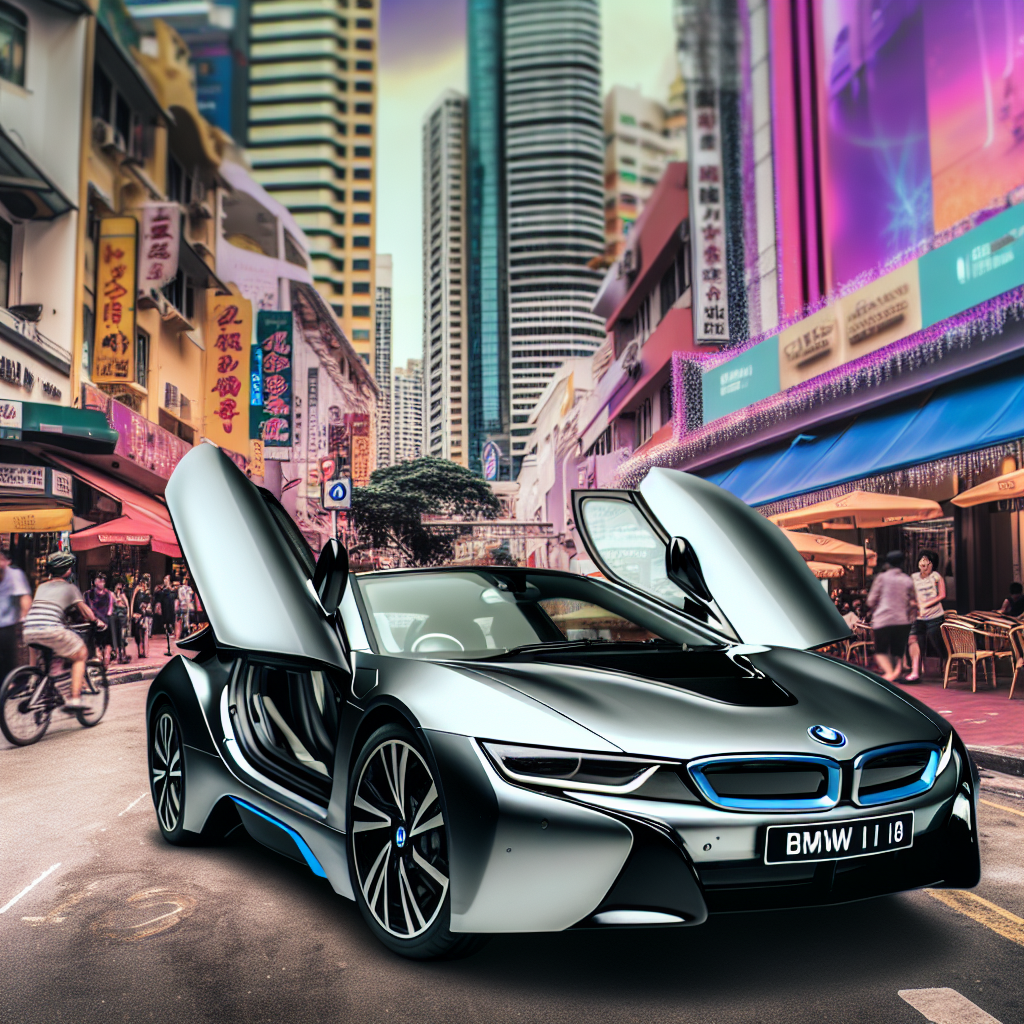
BMW i8: A Critique of Aesthetics vs. Driving Experience
The BMW i8 is often celebrated for its stunning design, featuring sleek lines, a low-slung body, and iconic gullwing doors that evoke feelings of excitement and exclusivity. As noted by BMWBlog, its innovative design, with a drag coefficient of just 0.26, places it among the most aesthetically pleasing cars available today. Reviewers describe the i8 as having “traffic-stopping gullwing doors” and a driver-focused interior that includes a class-leading Head-Up Display and an 8.8-inch iDrive Control Display.
However, the visual allure of the i8 sharply contrasts with its performance capabilities. While it presents itself as a high-performance sports car, many driving enthusiasts find its experience to be less thrilling than expected. Evo highlights this disparity, stating that the i8 delivers performance akin to a Porsche Cayman rather than matching the excitement of a Porsche 911. Critics have voiced their disappointment in the car’s overly light steering and its inclination towards a smoother ride rather than providing a visceral, engaging driving dynamic. One review noted, “The car’s handling feels disconnected; everything feels slow and numb while the whole car becomes a cacophony of squeaks and rattles all around you.”
In summary, while the BMW i8 undeniably turns heads with its striking aesthetics, it falls short of delivering the exhilarating driving experience many enthusiasts desire. The i8 serves as a vivid reminder that a beautiful exterior does not guarantee thrilling performance under the hood. Thus, the BMW i8 stands as an exemplar of a car that possesses a dazzling facade but struggles to translate that into a memorable driving experience.
Tesla Model S Feedback Summary
The Tesla Model S evokes a wide range of feedback regarding its driving experience, illustrating the divide between its impressive aesthetics and actual performance. Positive reviews prominently feature the car’s exceptional acceleration and innovative technology. According to Kelley Blue Book, a notable 90% of Model S owners express satisfaction with their experience, describing the vehicle as a “massive leap forward into the distant future” with superior styling and performance.
Many enthusiasts praise the model’s smooth and quiet ride, with some declaring it their “absolute favorite to drive.” However, alongside the accolades, there are significant criticisms. Issues related to build quality and concerns over the spartan design of the interior have surfaced. Additionally, the recently introduced yoke steering wheel has faced its share of skepticism, as some drivers find it impractical during low-speed maneuvers.
These mixed reviews resonate with the broader theme of cars that appear fun to drive but evoke disillusionment in actual driving scenarios. The Tesla Model S embodies the allure of performance and innovation, yet the real-world experience can sometimes fall short of expectations, leaving some enthusiasts yearning for a more spirited driving connection.

Tesla Model S: A Dual Perspective on Excitement and Critique
The Tesla Model S is often hailed as a groundbreaking vehicle, merging cutting-edge technology with stunning aesthetics. Known for its breathtaking acceleration, the Model S can go from 0 to 60 mph in as little as 2 seconds, a feat that thrills many drivers and entices them to embrace the electric revolution. This performance is coupled with a sleek design that has won the hearts of car enthusiasts and casual drivers alike. According to Kelley Blue Book, around 90% of Model S owners express satisfaction, emphasizing its innovative engineering and modern allure (Kelley Blue Book).
However, the exhilaration associated with the Model S is not without its controversies. Critics often point to its driving feel, which many describe as soulless or lacking in engagement. The Tesla doesn’t communicate with the driver in a manner reminiscent of traditional performance cars; the sensation of connectedness to the road is diminished, leading to comments such as, “The Tesla doesn’t feel sporty in any way excluding acceleration.” This sentiment echoes the experiences of some enthusiasts who find the car’s overall dynamics unexciting for spirited driving, making it feel more like an A to B vehicle rather than an enthusiast’s joyride.
Moreover, the interior, while modern and minimalist, has faced scrutiny for its spartan layout. Some view it as lacking character and warmth, which can contribute to a feeling of boredom during longer drives. Issues like build quality—reflected in multiple recalls—further tarnish the Model S’s stellar image, as pointed out in several reports (Consumer Reports). As a result, the Tesla Model S encapsulates a paradox: it is simultaneously thrilling and yet, for some, disappointingly mundane.
| Car Model | Design | Performance | User Satisfaction |
|---|---|---|---|
| BMW i8 | Carbon-fiber passenger cell, sleek teardrop shape, eye-catching | 0-100 km/h in 4.4 sec, blends electric and gasoline power |
Critiques focus on handling and connection feel. Reviewers feel it lacks a visceral driving experience. |
| Tesla Model S | Modern, minimalist interior, stunning high-tech features | Rapid acceleration (0-60 mph in 2 seconds), up to 400 miles range |
High satisfaction rate (90% positive). Criticism over cabin luxury feel and practicality. |
| Audi TT | Elegant design, compact, sporty looks, comfortable ride | Reliable performance, handles well but lacks space, fuel-efficient but not as spirited as others |
Positive reliability ratings but cramped interior. Lacks the open-air aspect expected in a convertible. |
| Lamborghini Countach | Iconic, aggressive styling, unique presence on the road | Noted for hard steering, heavy clutch, and poor visibility; praised for appearance but lacks performance engagement |
Criticized for comfort and handling. Stunning looks fail to translate to driving experience. |
Audi TT and Lamborghini Countach: Analyzing Aesthetic Appeal and Performance
The Audi TT and Lamborghini Countach stand as iconically designed vehicles that evoke admiration for their aesthetic appeal. The TT, with its sleek lines and compact form, embodies a modern sports car ethos. Its evolution over the years has transformed it from a rounded bubble design to a more aggressive silhouette, particularly in the recent Final Edition model (CarsGuide). Reviewers appreciate its clean and practical design while noting that it presents a dependable driving experience. The Audi TT’s 2.0-liter, four-cylinder turbocharged engine allows it to accelerate from 0 to 100 km/h in a respectable 5.1 seconds. However, despite its attractive packaging, enthusiasts often find it lacks the exhilarating thrill typically expected from a sports car.
As one reviewer aptly points out, while the TT provides an enjoyable ride, its overall performance feels more suited for casual drives than spirited performance (Top Gear). The experience is characterized by predictability and reliability, leading to a driving experience that is, at times, described as uninspired.
In stark contrast, the Lamborghini Countach is renowned for its dramatic and aggressive design—a supercar that has become a cultural icon. With a striking wedge shape and a powerful mid-mounted engine, the Countach has captivated car enthusiasts worldwide. Underneath its breathtaking exterior lies a driving experience that is challenging, often described as exhilarating yet harsh. Critics highlight its heavy clutch and hard steering, making daily comfort and usability less practical (LamboCars). As one driver noted, experiencing the Countach can oscillate between euphoria and discomfort—an intense ride that requires skill and finesse to master (The Autopian).
Thus, both cars represent the divide between stunning visual allure and the reality of their driving experiences. The Audi TT, while stylish and reliable, often falls short of the excitement expected in the eyes of performance enthusiasts. In contrast, the Lamborghini Countach delivers an engaging albeit demanding drive that resonates with those seeking more than just a scenic ride.

Conclusion: The Imperative of Performance Beyond Appearance
In the enticing world of automotive design, it is easy to be dazzled by the sleek lines and aggressive stances that some vehicles present. The BMW i8, Tesla Model S, Audi TT, and Lamborghini Countach each emanate an allure that captivates potential buyers. However, as we’ve explored, the reality of driving these cars often starkly contrasts with their aesthetic appeal. The i8 may epitomize supercar styling, yet its performance leaves enthusiasts underwhelmed, resembling more of a gentle cruise than a thrilling ride. Likewise, while the Model S boasts of earth-shattering acceleration, many find its driving experience surprisingly detached.
This pattern raises a crucial topic for those considering a new car purchase. A vehicle’s appearance can create an expectation of exhilarating driving enjoyment, yet it can be misleading. Such experiences are echoed in criticisms of the Audi TT’s comfortable yet uninspired performance and the Lamborghini Countach’s daunting yet exhilarating drive that can leave one questioning the trade-off of beauty for comfort.
Therefore, as consumers, it is vital to prioritize genuine performance over the superficial charm of design. Before succumbing to the allure of a vehicle’s exterior, potential buyers should thoroughly consider reviews and real-world driving experiences. Visiting showrooms and taking test drives can unveil the disparity between how fun a car looks versus how it actually drives. Ultimately, your driving enjoyment hinges on this distinction, ensuring that you end up with a vehicle that not only turns heads but also provides the exhilarating experience you truly desire.
Embrace the journey of finding a car by seeking out genuine connections with performance, guaranteeing that your investment brings joy, satisfaction, and adventure behind the wheel.
Detailed Comparisons of Driving Experiences
The evaluations of driving experiences highlight the unique performance aspects and user feedback for the featured car models. Here is a summary of how they stack up against one another:
-
BMW i8
- Performance: While the i8 is lauded for its hybrid technology and futuristic design, users frequently note that its driving engagement does not match the expectations set by its attractive exterior. Critics express disappointment in its handling and steering feedback, often describing the experience as disconnected even though it accelerates quickly. Many drivers feel it lacks the thrilling engagement expected from a sports car.
- User Feedback: Enthusiasts highlight its innovative design but express regret over the car’s subdued performance dynamics, indicating that although the powertrain combines a turbocharged engine with an electric motor, the driving experience tends to feel more like cruising than an exhilarating ride.
-
Tesla Model S
- Performance: Renowned for its remarkable acceleration capabilities, the Model S transitions from 0 to 60 mph in as little as 2 seconds. However, many drivers report that the handling lacks the engagement typical of traditional performance cars. Feedback suggests that while its technological innovations are impressive, the lack of tactile feedback can diminish the driving experience. Users often feel it resembles a computer program more than a responsive vehicle.
- User Feedback: Despite its technological advancements, critics described the experience as mundane and noted a significantly lessened connection to the road, combined with concerns about build quality and design choices which complicate the overall review landscape.
-
Audi TT
- Performance: Positioned as a stylish coupe, the Audi TT performs adequately, but many drivers indicate that it does not deliver the thrill anticipated from its sporty aesthetics. Although it offers a reliable engine and some engaging driving feel, users express that the overall experience can feel more comfortable than spirited, signaling potential disappointment for performance seekers.
- User Feedback: The style receives appreciation, but performance enthusiasts often find that the TT is more suited for leisurely drives rather than the spirited maneuvers expected of an Audi vehicle, highlighting a gap between expectations and reality.
-
Lamborghini Countach
- Performance: The Countach is iconic for its design and performance, yet reviews point to handling and comfort drawbacks. Despite its extraordinary appearance, driving it can be taxing due to heavy steering and a demanding clutch, leading to potential fatigue during longer drives.
- User Feedback: The Countach is often viewed as a showpiece rather than a practical driving machine, where many enthusiasts enjoy the adrenaline it offers, but question its everyday drivability.
-
Honda CR-Z
- Performance: While the CR-Z promotes sporty handling along with hybrid efficiency, user feedback reveals a lack of genuine performance behind the wheel. The sporty design can mislead potential buyers regarding dynamic performance, as many critiques state that it does not deliver an engaging driving experience as expected.
- User Feedback: Although many find it fun to drive casually, the CR-Z is criticized for its performance shortcomings, leading to a divided reception, especially among those seeking a more spirited drive.

Revised Critiques of Featured Car Models
BMW i8
The BMW i8 captivates with its futuristic design, showcasing stunning aesthetics that grab attention. However, many enthusiasts find its performance lacking, particularly when comparing it to competitors like the Porsche Cayman. Critics highlight issues like the disconnect in handling, often describing the experience as numb or muted. The i8’s aspiration to deliver a high-performance driving experience does not translate effectively on the road, marking it as an intriguing but ultimately underwhelming choice for enthusiasts.
Tesla Model S
Known for its remarkable acceleration, the Tesla Model S positions itself as an innovative vehicle. While it excites with fast speeds—0 to 60 mph in under 2 seconds—drivers often report a lack of connection with the driving experience. The steering is frequently described as uninspiring, leading to sentiments that the car feels more like a computer than a spirited performance machine. Owners enjoy the technological advancements but grapple with a sense of detachment that diminishes the thrill of driving.
Audi TT
The Audi TT stands out not only for its sleek design but also its spacious and practical interior. However, despite these appealing aspects, critiques often point to mechanical reliability issues and an overall uninspired driving experience. Many reviews specify that while the TT offers predictable performance, it lacks the exhilarating thrill expected by many sports car enthusiasts, leaving a gap between the vehicle’s sporty aesthetics and actual driving dynamics.
Lamborghini Countach
The Lamborghini Countach, with its aggressive and iconic styling, remains a symbol of automotive beauty. Nonetheless, it suffers from notable performance drawbacks, such as poor aerodynamics that affect its handling and comfort. Critics note its high drag coefficient complicates driving dynamics, with substantial feedback confirming it can be an arduous drive—often requiring a fine-tuned approach to handle its unique quirks. This juxtaposition between stunning visuals and driving difficulties makes the Countach a conversation piece rather than a practical driving machine.