
The landscape of automobile services is evolving, particularly in the realm of mid-to-high-end offerings. Private car owners, small fleet operators, car dealerships, and auto repair shops can significantly benefit from a comprehensive understanding of quality auto service providers. One standout player in this space is the 德奥汽车连锁 (De Ao Auto Chain), a brand synonymous with premium automotive services across China. In the following chapters, we will delve into the core business operations of De Ao, explore its strategic market layout through related companies, examine its growth and guiding principles, and ultimately assess its future prospects and market value.
A Lifecycle Partner for Luxury Driving: Inside De Ao Auto Chain’s Core Services
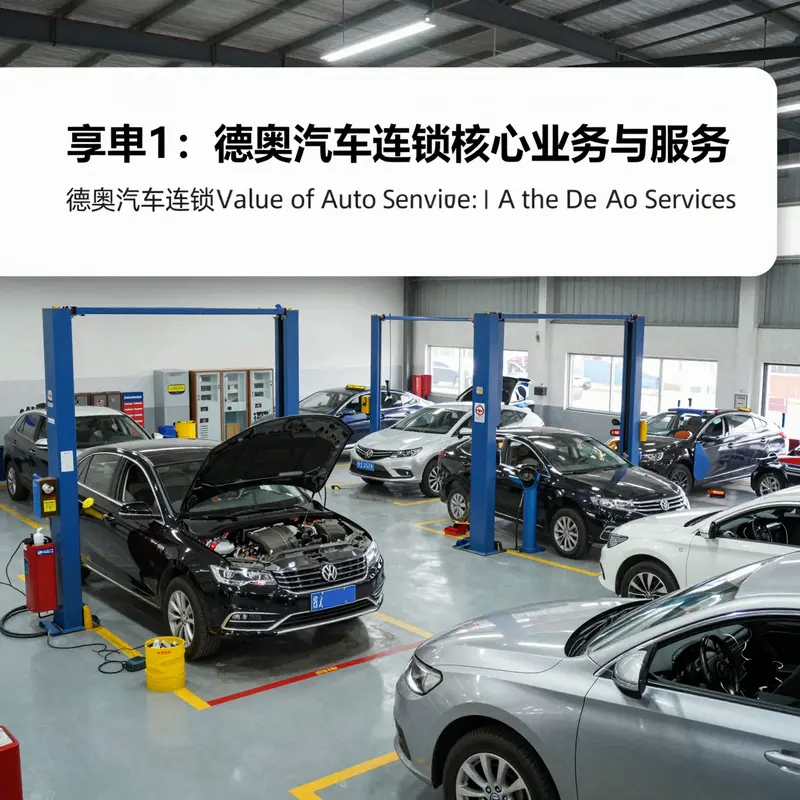
De Ao Auto Chain stands as a practical case study of how a regional automotive service group can redefine what it means to care for a car and its owner over time. In a market where discerning clients expect not just repairs but a seamless, concierge-level experience, this chain has crafted a cohesive ecosystem that covers the entire life of a vehicle. From the moment a customer first considers a new car purchase to the decades-long commitment of maintenance, financing, and eventually the resale or trunk of the customer’s journey, De Ao positions itself as a trusted partner rather than a single transaction point. Its core strength lies in weaving together multiple service strands into a single, integrated offering that keeps pace with evolving expectations around luxury, efficiency, and responsibility. The result is a model that looks less like a traditional dealer network and more like a comprehensive car management service, designed to simplify complexity for owners who demand precision, reliability, and a high level of personal attention.
At the heart of De Ao’s operations is a triad of activities that define the daily reality of its customers: the sale of vehicles, the upkeep of those vehicles through a robust after-sales network, and a mature program around used cars that extends the life of automobiles beyond their first ownership. This is not a mere concatenation of services; it is a carefully calibrated system that treats the vehicle’s journey as a continuous arc. The sales function speaks to customers at the point of purchase, but the after-sales function ensures care long after the keys are handed over. The used-car segment then acts as a bridge between new-vehicle aspirations and the practical realities of maintaining value and reliability in aging vehicles. In a market where the line between car ownership and mobility is increasingly blurred, De Ao’s integrated approach helps owners manage risk, optimize cost of ownership, and preserve trust with a partner who understands the finer points of luxury vehicle care without sacrificing accessibility or transparency.
The operational architecture mirrors this philosophy. On the sales and service side, De Ao has built a network whose capabilities go well beyond routine maintenance. It operates with a level of specialization that is essential when the client pool includes high-end or premium‑tier vehicles. The service centers are staffed by seasoned technicians who have deep exposure to complex systems and sophisticated electronics. The emphasis is on precision diagnostics, preventive maintenance, and timely interventions that protect performance and safety. Such expertise cannot be gleaned from a generic generic-market repair shop; it requires a culture of continuous learning, rigorous quality standards, and an investment in tools and processes that keep pace with advances in vehicle technology. In practical terms, this translates into repair and maintenance programs that minimize downtime for clients who rely on their cars for business, family, or personal use, while maintaining the integrity of the vehicle’s original design and performance characteristics.
A key element of De Ao’s offering is its four‑track, integrated service model that collectively delivers what a single dealer experience used to promise, but with greater scope and coordination. The four components—new-vehicle sales, after-sales maintenance, financing and insurance services, and a robust used-vehicle operation—are designed to function in concert. This ensures the customer’s needs are anticipated rather than responded to. For example, a client who buys a new car at one location can seamlessly access after-sales care at any other center within the network, with consistent pricing, standardized service levels, and a unified record of work performed. The financing and insurance arms provide a transparent, frictionless path through the often daunting paperwork and terms that accompany high-end purchases, while the used-car operation delivers a future-proof pathway for customers who prefer to re-evaluate ownership sooner or later without losing the value proposition that came with their earlier decision. In essence, De Ao aspires to be a one-stop shop for a lifetime of driving, a partner that helps manage not just the car but the entire ownership experience.
From a technical perspective, the chain underlines its credibility with a substantial footprint across its home region. In the Sichuan area, the enterprise operates a dozen specialized maintenance centers that focus on high-end vehicle categories. The emphasis here is not merely on routine service; it is on building trust through meticulous workmanship, exacting standards, and a culture of accountability. The technicians are typically drawn from years of hands-on experience in luxury- or premium-brand service contexts, bringing a depth of knowledge that extends to delicate systems, advanced driver-assistance technologies, and the nuanced requirements of performance and comfort components. The facilities themselves are designed to accommodate complex service workflows, with dedicated bays, diagnostic suites, and a logistical backbone that ensures parts availability and rapid turnaround. This scale and specialization matter because customers who invest in premium vehicles expect that their car will be cared for by technicians who understand the subtleties of high-performance engineering rather than generic maintenance approaches.
The used-car dimension of De Ao’s business is equally telling about the chain’s broader strategy. In Zhejiang’s regional footprint, for instance, the used-car program demonstrates how a multi-brand approach can be turned into a credible value proposition for buyers who seek certified quality and reassurance. A standout feature of this program is a rigorous, multi-step refurbishment process designed to maximize reliability and value. The operation includes a thorough 110-point inspection framework, ensuring that any vehicle entering the market has been scrutinized against a wide range of mechanical, safety, and cosmetic criteria. Alongside this, a brand-certified warranty option is available, providing customers with meaningful assurance about post-purchase confidence. The combination of a comprehensive refurbishment and formal warranty options helps shift the used-car narrative away from risk and toward reliability and peace of mind. Beyond inspection, prospective buyers can rely on a suite of one-stop services—free vehicle evaluation, a full range of documentation handling such as registration and annual inspections, and even the logistics of transfer and plate management—so that the experience does not end at the purchase but continues as part of a broader, ongoing relationship.
Such depth in the used-car program is complemented by a marketing and operational approach that emphasizes transparency and sustainability. The brand recognizes that customers are increasingly sensitive to environmental impact and life-cycle cost. As a result, the chain adopts a quality-management framework that aligns with widely recognized standards, enabling a consistent level of service across its expanding network. Environmental practices are integrated into daily operations, with a focus on reducing waste, optimizing energy use in workshops, and ensuring safe disposal of fluids and components. The certifications and audits underpin a narrative of reliability that resonates with an audience that values both performance and responsibility.
This focus on lifecycle care dovetails with a broader strategic aim: to extend the relationship with customers beyond a single transaction. The luxury-driving audience, in particular, does not seek a one-off fix or a short-term relationship; they expect a partner who can anticipate maintenance cycles, preempt potential issues, and offer flexible, value-driven solutions across a vehicle’s entire life. The financing and insurance segments are designed not merely to finance or insure a single purchase but to support the ongoing cost of ownership—spreading the financial moment of purchase into a sustainable cadence of stewardship. In effect, De Ao’s model reframes ownership from an episodic event into a continuous journey, a shift that aligns well with the premium segment’s expectations for predictability, service quality, and personal attention.
From a customer experience perspective, the concierge-like ethos is embedded in every touchpoint. The service culture emphasizes clear communication, proactive updates, and meticulous scheduling that respects clients’ time. Client advocates or service coordinators work as a bridge between the owner and the workshop, ensuring that findings from diagnostics, projected repair timelines, and cost estimates are conveyed with clarity and transparency. This approach minimizes the anxiety often associated with car repairs and maintenance, especially for owners who depend on their vehicles for business travel or daily logistics. The intention is to remove the friction that can accompany high-stakes service interactions while maintaining the highest standards of quality and integrity. In turn, customers experience a sense of certainty—the confidence that their investment is in competent hands and that the relationship is built on trust rather than episodic transactional rapport.
The future trajectory of De Ao Auto Chain suggests a deliberate plan to grow the network while preserving the core values that define its identity. The company outlines a goal of expanding sales and service infrastructure in the region, aiming to bring more wealthier clients under its care without compromising the level of personalization that makes the experience distinctive. The expansion is not about sheer number; it is about sustaining performance, service consistency, and a unified customer record across a larger footprint. Such growth requires disciplined operational playbooks, governance that ensures standardized training, and investment in digital platforms that consolidate client data, vehicle history, and service calendars. It also implies closer collaboration with customers to tailor solutions that fit unique ownership patterns, whether that means flexible financing terms, customized detailing programs, or selective maintenance plans designed around the owner’s driving profile and usage patterns.
The narrative of De Ao Auto Chain thus emerges as more than a collection of services. It is a deliberate, cohesive strategy to treat the vehicle as a living asset that commands care across diverse phases of ownership. The chain’s emphasis on a four-pronged service model, its deep technical capabilities, its rigorous used-car program, and its sustainability commitments together craft a compelling picture of what contemporary auto services can aspire to be. In a market that rewards efficiency, trust, and high-quality workmanship, De Ao’s integrated approach offers a blueprint for how regional players can compete by delivering a premium, consistent, and ultimately human experience to owners who want to feel supported at every mile of their journey.
As readers move to explore the next dimensions of de auto services, the focus remains on how such a model translates into practical outcomes for customers. The next chapters will examine how these capabilities interlock with regional economics, the training ecosystems that sustain service quality, and the evolving expectations around ownership that push service providers to innovate. The throughline is clear: when a service network treats the ownership journey as a stewardship rather than a string of discrete tasks, it creates a durable bond with customers and a framework for sustained growth in a competitive landscape. The core services discussed here—sales, after-sales care, financing and insurance, and a robust used-car platform—are not only components of a business model; they are the behavioral promises that shape how car owners think about maintenance, trust, and value in the modern auto economy. This chapter thus sets the stage for a deeper dive into how such promises translate into day-to-day practices, what clients experience in real time, and how future innovations might further elevate the standard of care across the De Ao network.
For readers seeking a practical glimpse into the repair and service landscape described, a concise overview of car auto repair services can be found here: car auto repair services.
External reference: Official information about De Ao Auto Chain can be found at the brand’s official site: https://www.deaoauto.com
隐形棋局:区域高端汽车服务连锁中的关联方网络与市场布局
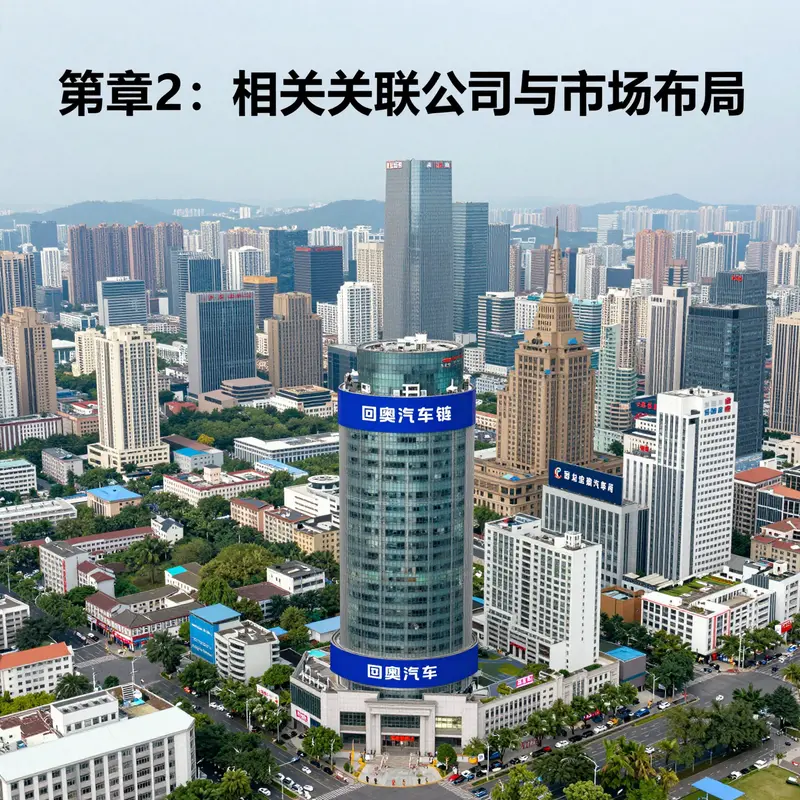
在现代商业地图上,一家区域性高端汽车服务连锁的成长并非靠单点的扩张,而是通过一张看不见的“关联方网络”来编织市场、资源与风险的全局。这样的网络在行业内部并非新鲜花招,却往往决定了企业在同城、跨城乃至跨区域的可持续性与竞争力。对于以整车销售、维修养护、二手车服务、汽车金融与保险代理、以及美容装潢等综合性服务为核心的区域性连锁而言,关联方的设计与运作,既是发展引擎,也是风险边界的托底。通过对这一网络的解读,我们不仅能理解该类企业为何能在多城落地,还能看到它们在多维度服务中如何实现“管家式”体验的落地,以及在日益严格的合规环境下如何通过结构化的资源配置来抵御市场波动与监管压力。
区域性的高端汽车服务连锁,常以较为集中的资本与人力资源配置进行快速扩张。其商业模式的核心并非单一门店的好坏,而是通过门店之间的互相支撑、品牌协同与服务链条的纵向延展,形成一条横跨销售、售后、金融、保险与二手车的综合服务网络。这种网络并非简单的“父子公司”关系,而是在特定条件下形成的“关联方”体系。关联方并非严格的法律术语,但在会计、税务、工商与司法实践中,判断关联性的标准却十分具体。它们通常围绕三个维度展开:股权控制、人员与决策的交叉任职,以及资金与经营政策的直接或间接影响。这些要素共同决定了谁在决策层、谁在资源端拥有真实的控制权,以及谁的政策力量能够以多种方式改变另一方的经营走向。
从宏观层面看,关联方的存在能帮助区域性连锁实现资源的跨门店整合。首先,资源整合的效应体现在供应链、渠道、技术与品牌的协同上。一个以服务为核心的集团,可以通过统一的采购、统一的培训和统一的品牌标准来降低成本、提升服务一致性,并在不同城市之间共享成功的经营经验与客户数据。其次,风险隔离与分散也成为关联方结构的常见功能。高风险领域如金融性产品、创新性商业模式或高资本密集型的探索性项目,常通过设立独立的子公司来承接与管理,尽量降低母体单位对核心资产的冲击。这种“防火墙”式的组合,尽管可能会带来管理成本的上升,却在市场波动与监管收紧时提供了更为清晰的责任界定与合规缓冲。再次,税务优化与全球布局的讨论在跨区域连锁中同样重要。区域性集团借助关联方在资金流、定价策略和利润分配上的安排,能够在遵循法规的前提下优化税负与现金流,从而为快速扩张提供更稳定的财务基座。尽管近年的监管趋严使得此类安排需要更加透明与合规,但在框架内的关联交易与生态协作,仍然是企业全球化与本地化并举的有效工具。
在具体的运营层面,关联方的市场布局常呈现出“生态一体化”的特征。以区域内多城布局为例,企业通常在核心城市建立管理中心,借助区域性分支机构将服务标准、培训体系、营销策略与信息化系统向外扩散。这种做法不仅提升了服务体验的一致性,还能通过数据共享实现对顾客需求的快速响应。与此同时,关联方网络还承担着生态共建的角色——不同业务单位之间在资金、信息、人才和技术层面的协同,构成一个协同进化的商业生态。新的服务创新往往在这种生态系统中孕育:如跨门店的预约制、统一的车辆保养提醒、以及面向高端客户的定制化金融方案等,都是依托于跨实体的数据整合与流程协同实现的。
要真正识别一个区域性连锁的关联网络,需要从若干关键线索入手。首先是股权结构与实际控制人信息。通过穿透分析,若同一自然人或同一法定主体对多家实体拥有控制权或实际影响力,往往提示存在强关联关系。其次是人员交叉任职与高管流动。董事、高管在不同实体之间的互任,能使决策形成高度一致的导向,使得资源配置与风险承担更具协同性。第三是交易与资金的直接或间接绑定。包括但不限于关联交易的普遍性、跨公司资金往来、以及对利润、成本或定价策略的重大影响。这些信号共同揭示了企业如何通过“家族式”或“生态式”的结构实现资源与市场的协同。
然而,关联方网络并非没有风险。它既是发展的加速器,也是潜在的合规风险高发区。若未充分披露关联交易、存在利益输送的嫌疑,或因结构设计导致经济主体的独立性被削弱,法院和监管机构可能要求进行更严格的治理与信息披露,甚至在必要时对“公司独立人格”进行重新评估。对投资者与合作伙伴而言,理解这种网络的运作逻辑,有助于更准确地评估企业的真实经营能力、潜在冲击与长期价值。与此同时,监管趋势也在推动这一领域的透明化。随着税务稽查、反垄断和信息披露要求的加强,关联网络更需要以规范的治理架构、清晰的映射和可追踪的交易记录来确保合规性。
在实践中,诸如资源共享、风险隔离、税务优化与生态共建这四组要素,构成了区域性高端汽车服务连锁关联网络的核心驱动力。资源共享不仅仅是采购与培训的统一,更是数据、客户关系与知识体系的跨门店迁移。通过共享,连锁能够在不同城市之间快速复制成功经验,降低单个市场波动带来的风险。风险隔离则强调以子公司或特定业务单元来承载高风险项目,使母体资产保持稳定,提升整体的经营韧性。税务优化在合规前提下实现利润的合理分配与现金流的优化管理,为快速扩张提供坚实的资金后盾。生态共建的力量,则体现在对外部合作与内部协同的开放性上。企业通过建立跨实体的创新协作机制,推动服务链条的延展和新业态的探索,例如将售后服务、金融产品和保险服务在不同门店之间实现无缝对接,形成以客户为中心的一体化体验。
识别与理解关联方网络并非仅限于学术研究的视角,它也具备明显的实务操作性。通过对股权穿透、人员任职、以及跨实体交易的关注,专业人士能够获得一个清晰的市场布局地图,识别潜在的风险点与协同机会。对行业观察者而言,关注区域连锁在不同城市的扩张路径、对外部资本的依赖程度,以及对新业务模式的试水情况,都是评估其长期竞争力的重要维度。对从业者而言,理解这一网络背后的治理逻辑,将帮助企业在合规框架内实现创新,并在市场竞争中保持灵活性。
以一个行业化的现实参照来加深理解,诸如跨领域的企业生态也在以相似的逻辑运作。大型科技企业通过资本与协同控股来创建一个覆盖供应链、渠道和技术的生态系统,以实现资源的最优配置和风险的分散;传统制造业则通过设立多元化的金融与地产实体来实现资本与风险的分层管理。这些案例共同印证了“关联方网络”作为现代企业策略工具的普遍性与有效性。对于区域性高端汽车服务连锁而言,构建一个清晰、透明、可治理的关联网络,是实现可持续增长、提升服务质量与保护投资者信心的关键。
在结束这一章的讨论时,留给读者的不是一个简单的结论,而是一种分析的视角:当你看到一家区域性连锁在多城布局、在不同业务间实现协同、并通过关联方网络来管理资源与风险时,背后往往隐藏着一套经过深思熟虑的治理与运营机制。这些机制不仅支撑着企业的扩张速度,更决定了它在激烈市场竞争中的稳健程度与长期价值。若你愿意进一步探究行业网络的具体运作,以下资源提供了更广泛的视角与案例研究,帮助你把抽象的概念转化为可操作的分析框架。
为了便于在文章内部的连贯阅读中建立关联,请参考以下内部链接以获得相关的行业生态案例分析:a-auto-service-north-charleston。该链接能够帮助读者从“区域性服务连锁”的宏观框架,过渡到具体的门店服务协同与治理实践的案例考察,形成从理论到实操的渐进理解。
外部参考与延展阅读方面,学界与业界对关联方的治理与市场布局进行了广泛探讨,相关讨论在全球化、区域化与数字化叠加的背景下尤为重要。一个具有代表性的参照来自权威财经观察的分析,聚焦于在金融与能源领域的关联投资与合作模式如何推动资源整合与市场布局的扩展性。该案例展示了资本渗透与协同创新在区域性产业中的深远影响,尽管领域不同,但在结构性思维和治理框架层面具有可比性。读者可以从该研究中提炼出对汽车服务连锁同样适用的治理逻辑与风险控制要点。External source: https://www.gelonghui.com/news/678912
德奥汽车连锁的扩张脉络:规模、理念与未来的服务范式

穿越后市场的优雅:德奥汽车服务在中国高端汽车护理生态中的崛起与未来
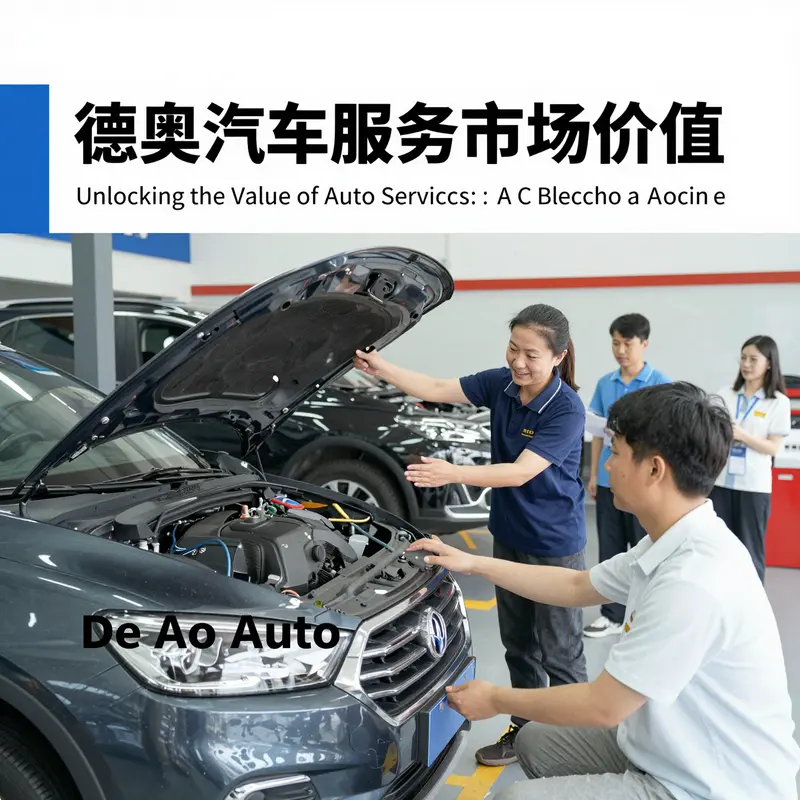
在中国汽车后市场的复杂棋盘上,德奥汽车服务以一种克制而高效的方式书写自己的路径。它不是单一的销售点,也不是简单的维修网点,而是一个以“服务为核心”的区域性连锁集团,试图以高标准的流程、统一的资源配置与面向全生命周期的服务理念,去回应当下消费者对便利、透明和尊贵体验的三重诉求。自2010年起,这一品牌以四川为起点,逐步扩展至成都、南充、眉山、绵阳等城市,形成了以门店为节点、以服务体系为骨架的网状结构。当前在四川地区的规模已达到多家门店,并在员工队伍、培训体系、配件渠道与技术支持方面建立起较为成熟的框架。企业自述的核心经营理念——“专业缔造品质,诚信开启未来”——并非空谈,而是在实际运营中以标准化与落地性强的流程体现出来。这样的定位让德奥在竞争激烈的区域市场中,能以较高的客户信任度实现稳定的业务转化,尤其是在高端车主对于维护与保养细节要求日益提高的背景下,标准化带来的服务一致性显得尤为关键。
在具体的业务布局上,德奥汽车服务将整车销售、维修养护、二手车服务、汽车金融、保险代理、汽车美容装潢等多维度服务有机融合,形成“一个品牌、多个前台、一个后端支撑”的运营格局。这种“多元化一体化”模式,既提升了客户在单一门店的综合体验,又通过统一管理、统一配件供应、统一技术支持等手段,降低了跨门店协同的摩擦成本。对于区域市场而言,这种连锁化、标准化的运营方式意味着更高的效率和更稳定的服务质量。尽管各门店地理分布不同,但在核心业务流程、客户接待、技术培训和质量检验上,保持着高度的一致性。成都地区的门店体系,尤其强调“三个统一”:统一管理、统一配件供应、统一技术支持,使得无论客户在何处接受服务,都能享有同等水平的技术保障与检测标准。这种制度化的运作,实质上是在把“就近服务”变成了“同质优质服务”的可能性。
一个显著的市场动因,是德奥对新能源领域的前瞻性布局。自2014年起,该集团在西南区域率先将新能源车型的售后服务纳入自有体系,成为新能源品牌在西南地区的早期服务伙伴之一。这一举措不仅拓宽了服务对象的范围,也积累了在高压系统、动力电池检测与维护、快速诊断等方面的专业经验。面对全球范围内新能源车后市场快速扩张的趋势,德奥以“专业化认证、技术能力提升、服务流程数字化”为核心的策略,逐步构建起对新能源时代的“护城河”。在新能源车维保与电池健康管理的实际操作中,企业强调标准化流程与专业培训,力求把新技术带来的不确定性降到最低,并以透明、可追溯的服务记录赢得车主信任。这种布局不仅响应了消费者对环境与成本的双重关注,也使企业在未来的市场竞争中更具弹性。
区域渠道的深度布局是德奥另一条重要的竞争线。通过在西南区域建立稳固的门店网络与供应链体系,企业实现了对高端车型服务需求的快速覆盖。成都及周边区域的门店,借助区域性资源整合与跨门店协同,显著提升了诊断与维修的效率,同时通过统一的配件供应渠道降低了备件成本波动对利润的侵蚀。这种“区域枢纽+前线门店”的结构,使得德奥能够在短时间内扩展覆盖范围,同时维持较高的服务标准。在跨区域合作方面,集团还通过与区域内的经销资源建立协同机制,推动信息反馈、客户数据共享与售后体验的持续优化。这些努力的结果,是消费者对品牌的信任不断积累,转化为门店前来咨询、试驾、以至于最终选择服务的逐步增多。
随着市场对高端车主需求的演变,德奥正在从“卖车-售后”为核心的传统模式,转向一个更广义的“生命周期服务生态”。这一演进不仅仅体现在技术与流程的升级,更体现在对客户体验的全方位再设计。未来,数字化转型将成为推动这种转变的关键驱动力。通过数据驱动的客户洞察、线上线下无缝的预约与服务流程,以及以会员制和增值服务为载体的客户关系管理,德奥试图把“用户体验即利润”落到日常运营的每一个环节。对企业而言,这不仅意味着服务效率的提升,更意味着对客户需求变化的更快响应。通过建立统一的数据平台,门店之间的信息可以流转,从而实现跨店面、跨业务线的个性化推荐、精准维护计划与动态的金融/保养组合方案。
在具体执行层面,品牌正将“全面数字化管理”落地到前后端每个环节。包括预约系统的优化、检测与维护的数字化记录、过程透明化的检测报告,以及对客户互动的全链路追踪。这样的转型不仅提升了透明度,也提升了重复访问率和口碑传播的效率。与此同时,德奥还在探索以会员制为核心的长期关系管理,通过定期的健康评估、保养提醒、灵活的金融与租赁方案,以及二手车的专业评估与回购计划,来持续绑定客户资源。这一系列举措,旨在通过“以服务为核心的生态圈”来实现稳定的现金流和持续的增长动力。
需要直面的挑战同样明确。尽管区域网络和标准化流程提供了强有力的支撑,但售后稳定性、跨门店协同的无缝性、以及在快速扩张背景下对高端客户个性化需求的持续满足,仍然是需要改进的领域。公开的行业评测与客户反馈显示,某些环节的处理速度、个性化沟通的深度仍有提升空间。这样的评价既是对现状的警示,也是未来改进的方向。为此,德奥在加强培训与考核机制、完善维保数据的互操作性、以及完善客户服务的回访与追踪方面持续投入。通过与区域内经销商、供应商的协同,形成更高效的响应链条,力求让每次服务都成为增值体验的机会。
在更宏观的层面,德奥的成长也映照出整个汽车后市场的变迁趋势:聚焦“服务+生态”的商业模式将成为主流。全球范围的市场研究也指向同样的走向,即后市场的增长将在数字化、信息化、以及与新能源和出行服务深度绑定的层面获得新的推进力。基于此,德奥的未来不仅仅是扩张门店数量,而是通过系统化的服务创新,提升“车主一生的可信赖伙伴”这一品牌定位。真正的价值在于把客户在不同阶段的需求以一种统一的、可复制的方式予以解决,并在此过程中实现价值的持续再分配。这种价值创造不仅来自服务本身的质量,更来自对客户体验全流程的理解与优化,以及对新业务形态的敏锐把握。
作为对未来方向的一个简短总结,德奥正在将传统的汽车服务门类,结合数据化运营、区域协同、以及新能源领域的专业化能力,转化为一个可持续的、以用户为中心的服务生态。未来的成功不再单靠门店数字的增减,而在于如何把“洞察-执行-反馈”这一闭环做得更快更准。对企业而言,这意味着持续的培训升级、技术能力的深化、以及对新出行场景的适应。对车主而言,这意味着更高效、透明、可信赖的服务体验,以及在整个生命阶段内的无缝支持。只有在这种互相成就的关系中,德奥才能实现从区域性强者到区域性领航者的跃迁,并在中国快速发展的汽车后市场中,建立真正的长久影响力。
在前进的路上,内部的资源整合、外部的渠道伙伴关系以及对客户体验的持续打磨,将成为德奥印证自己“专业缔造品质,诚信开启未来”承诺的关键工具。通过持续的标准化推进、对新能源领域的深耕以及对数字化能力的持续投资,德奥有望在未来几年内将自己定位为一个真正意义上的“全生命周期服务提供者”,让车主的出行更加从容、选择更加明晰、维护更加高效。若以市场价值的演进为参照,德奥正在实现从单一销售向综合生态的跃迁,这种跃迁不仅影响企业本身,也将影响区域内其他服务提供者的竞争方式,甚至推动整个行业在服务理念和运营模式上的进化。
外部参考与延展资源:如需了解全球汽车后市场的总体趋势及增长预测,请参考权威市场研究机构的最新报告。参考链接:https://www.fortunebusinessinsights.com/automotive-aftermarket-market-104879。若希望了解行业内的服务生态案例及运营模式的具体落地,可以参考行业公开的服务运营概览与案例解读,其中有一处概览性资源提供了对服务结构的清晰描绘与实践要点,读者可结合本章讨论进行对比与思考。文中所涉的内部链接示例性参考文本为:A Plus Auto Service Overview。
Final thoughts
De Ao Auto Chain represents a significant force in the automotive service industry in China, driven by its commitment to quality, professionalism, and integrated service offerings. Each segment of their business—from sales to aftercare—demonstrates a holistic approach to car service that is increasingly crucial for private car owners and businesses alike. As the automotive landscape continues to shift, De Ao’s strategic expansions and dedication to customer satisfaction position it strongly for future growth and increased market value. Recognizing the nuances of their operations can help stakeholders leverage their services to enhance vehicle ownership experiences and operational efficiency.