
The performance of your vehicle’s air conditioning (AC) system is crucial for ensuring a comfortable driving experience throughout the year. For private car owners, small business fleet operators, car dealerships, and auto repair shops alike, understanding how to effectively service your auto AC system is essential, not just for comfort but also to prolong system life and efficiency. This piece delves into the key aspects of maintaining an air conditioning system, covering regular maintenance tasks, correct usage practices, the importance of professional inspections, proactive preventive care, and seasonal tips to optimize your AC’s performance. Each section will provide valuable insights that support a comprehensive approach to auto AC service, ensuring that you, whether a car owner or a business operator, are well-equipped to manage this crucial aspect of vehicle upkeep.
Keeping Your Car Cool: A Cohesive Guide to Servicing Auto A/C Systems
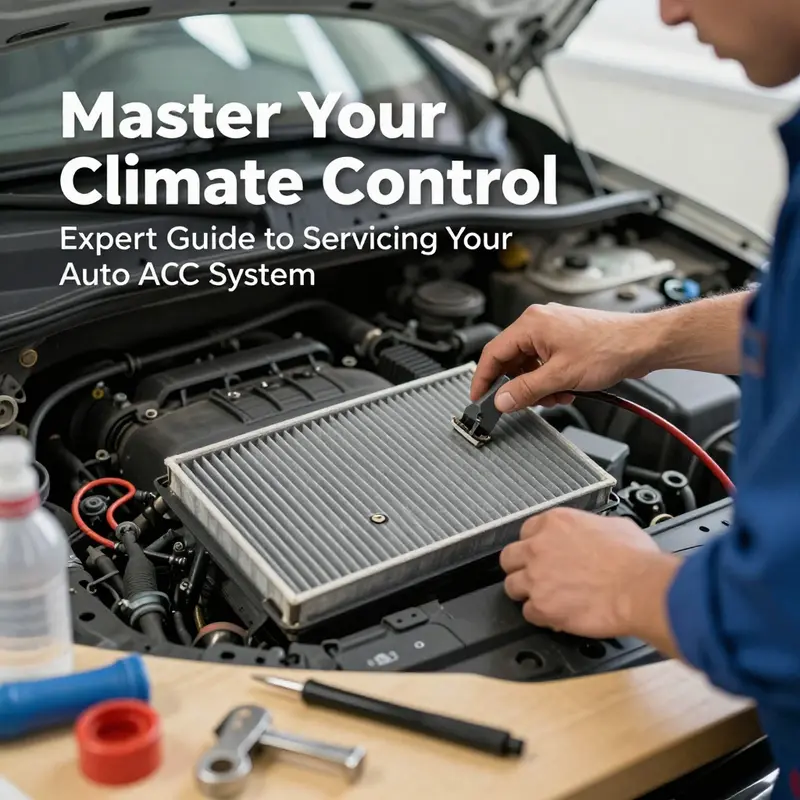
A well-serviced automotive air conditioning system is more than a comfort feature. It is a small, closed engine of comfort that quietly works to remove heat, manage humidity, and deliver clean air to the cabin. Regular maintenance keeps the system efficient, extends its life, and prevents small problems from becoming expensive repairs. The core components — the compressor, condenser, expansion device, evaporator, and the refrigerant itself — are part of a tightly interdependent network. When one part falters, the others respond by working harder, which wastes fuel, increases wear, and reduces cooling performance. A cohesive maintenance approach treats the system as a whole, rather than chasing symptoms in isolation. The goal is not simply to fix what is broken, but to keep the entire loop clean, sealed, and properly charged, so cooling is reliable on the hottest days and for the longest road trips.
The first principle of effective service is understanding what you are protecting. The compressor drives the refrigerant through the system, the condenser rejects heat to the outside air, the expansion device meters the flow into the evaporator, and the evaporator, tucked under the dash, cools the cabin air by absorbing heat from inside the car. Over time, dirt, leaves, and road grime accumulate on the condenser and evaporator, insulating them and forcing the system to work harder. This inefficiency not only reduces cooling power but can accelerate component wear. A clean condenser allows heat to depart efficiently, while a clean evaporator maintains good air flow and prevents odors caused by moisture and bacteria. Regular attention to these coil surfaces pays dividends in comfort and longevity.
Central to any maintenance plan is a proper refrigerant strategy. Low refrigerant levels almost always point to a leak rather than a harmless loss, since the system is designed to be sealed. Extracting heat efficiently relies on maintaining correct pressures and temperatures, and that can only be achieved if the refrigerant charge is accurate and the system is leak-free. The right approach is to schedule a professional leak test using calibrated equipment, such as UV dye tracers or electronic detectors. A quick top-off without locating and repairing a leak creates a cycle of recurring problems: the leak reappears, the charge dwindles again, and the cooling performance declines. This is why a competent technician will pressure-test the system, identify leak paths, and then perform a controlled recharge after repairs are completed. For this reason, do-it-yourself refrigerant handling should be avoided, both for safety and environmental compliance, and because it is a task best left to trained professionals who can safely recover old refrigerant and dispose of it properly.
Beyond refrigerant care, the cabin air filter deserves consistent attention. This filter, usually located behind the glove box or under the hood, acts as the cabin’s first line of defense against dust, pollen, and other airborne contaminants. A clogged filter restricts airflow, making the AC work harder and reducing cooling efficiency. It can also lead to musty odors if the damp air remains trapped inside. Replacement intervals vary with driving conditions: many manufacturers recommend changing the cabin filter every 15,000 to 30,000 miles, though dusty or urban environments may justify shorter intervals. For electric vehicles or certain designs, manufacturers may note different maintenance items such as a desiccant bag in the system that should be checked or replaced on a multiyear schedule. When replacing the filter, a quick inspection can reveal whether the filter material is loaded with debris or moisture, signaling a more comprehensive interior cleaning is due.
Cleaning the condenser and evaporator surfaces is a straightforward step with significant impact, though not all environments permit the same approach. The condenser sits in front of the radiator and is exposed to road dust, insects, leaves, and highway grime. A gentle rinse with a hose, or a purpose-made condenser cleaner, can remove the layer of grime that hinders heat transfer. The evaporator, housed inside the cabin, is more challenging to reach and often requires professional service if cleaning is needed beyond simple filter changes. A well-cleaned condenser reduces the load on the compressor, improves cooling, and tends to extend component life by reducing stray heat and moisture buildup inside the system.
The compressor itself and the drive belt deserve periodic scrutiny. The belt should be checked for cracks, glazing, or looseness, while the pulley and clutch should be examined for unusual noises, such as squealing or grinding, when the system runs. A failing compressor can send metallic debris into the system, contaminate new lubricant, and precipitate damage to the expansion valve and evaporator. If you hear unusual sounds or notice decreasing cooling capacity, a technician should inspect the compressor clutch, bearings, and overall integrity of the compressor assembly before a failure occurs mid-summer heat.
In some situations, a full system flush may be warranted. If debris, moisture, or contaminants have entered the refrigerant circuit, a flush can remove sludge and protect the new compressor and expansion valve during recharging. This is more common in older systems or those that have experienced a refrigerant loss due to a leak. Flushing is a precise procedure that must be performed with the correct tools and cleaners to avoid leaving residues that can block flow paths or damage the expansion valve. In practice, most owners will avoid a flush unless a trusted technician determines it is necessary based on inspection findings and refrigerant analysis.
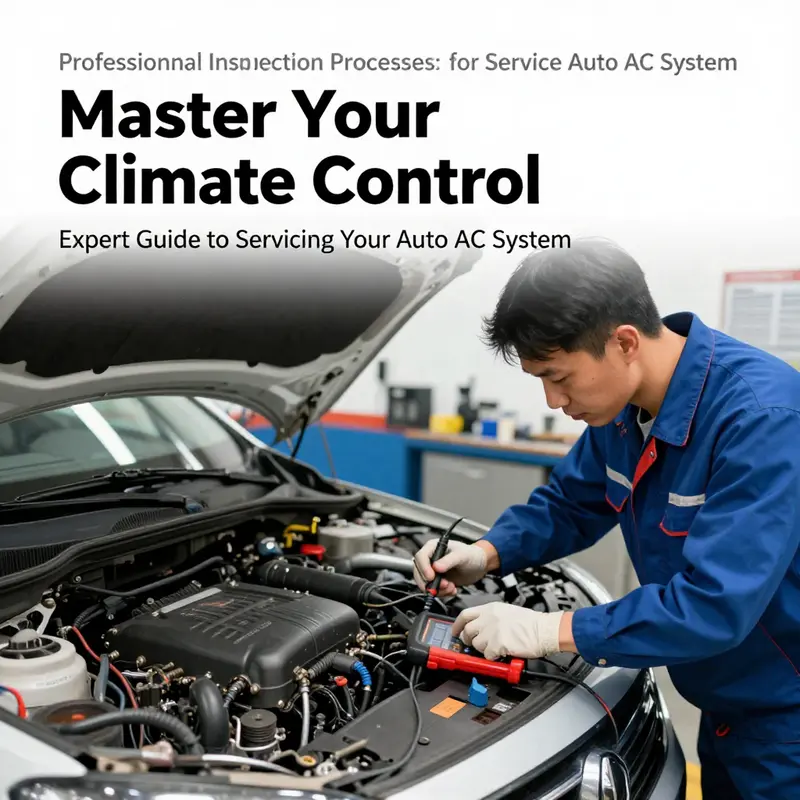
Several practical considerations shape how you approach AC maintenance. First, refrigerant work is a regulated activity in many places, requiring proper recovery and handling. A professional service ensures compliance with environmental standards and safety guidelines. Second, even if the system is running well, periodic inspections are valuable. Annual or semi-annual checks can catch small leaks, worn belts, or degraded filters before they become big repairs. Many auto shops offer free or low-cost AC inspections, which helps owners stay ahead of problems without incurring unnecessary expense.
A key behavioral habit is to run the AC even during off-seasons for a short period—about 10 to 15 minutes— on a regular basis. This keeps lubricants circulated, prevents seals from drying out, and helps maintain refrigerant pressures within normal ranges. It also combats any mildew or musty odors that can develop with extended periods of inactivity. The idea is not to use the AC for cooling in the cold months, but to exercise the system enough to maintain its readiness for the next hot day. For EVs or vehicles with specialized cooling circuits, refer to the manufacturer’s guidance within the vehicle’s maintenance module or owner’s manual for any season-specific recommendations. In practice, this simple habit contributes to longevity and reliability.
When seeking professional service, a local reference can help. For a nearby, trusted option, consider aa-auto-service-chicago, which provides general auto service guidance and can help coordinate AC-related work. This kind of local resource can be especially helpful when you’re unsure whether a persistent odor, unusual noise, or a sudden drop in cooling is due to the cabin filter, a leak, or a more serious fault in the refrigerant circuit. The goal is not to replace parts unnecessarily, but to pursue a structured, diagnostic approach that isolates the fault and addresses it with the appropriate repair. This mindset keeps your car’s interior air clean and comfortable and reduces the risk of mid-season system failure.
In short, a cohesive maintenance routine hinges on understanding how the system works as a whole, careful handling of refrigerant, timely filter and coil care, belt and compressor checks, and sensible decisions about flushing when required. Regular inspections, even when the AC seems to perform adequately, act as a prudent insurance policy against inconvenient failures and rising repair costs. The payoff is simple: dependable cooling, better cabin air quality, and a vehicle that stays comfortable through peak summer months and long road trips. For further reading on manufacturer-guided DIY maintenance, you can consult the official DIY guides provided by the manufacturer. External resource: https://www.tesla.com/support/do-it-yourself-guides
Correct Usage and Safe Servicing: Maximizing Your Auto A/C System’s Longevity

Correct Usage and Safe Servicing: Maximizing Your Auto A/C System’s Longevity opens with the premise that longevity and effectiveness come from disciplined usage and careful maintenance. The cooling core of a vehicle consists of the compressor, condenser, evaporator, and the devices that regulate flow and pressure. Each part relies on clean heat exchange surfaces, proper lubrication, and accurate refrigerant management. When you treat the system with respect and follow a measured routine, you will notice steadier cooling, lower energy use, and fewer unexpected failures. The path to reliability starts with understanding what is being protected and how the system should be cared for between seasons and daily use.
To understand the parts, imagine the compressor as the heart that moves refrigerant through the circuit. The condenser sits in front of the radiator and releases heat to outside air. The evaporator sits inside the cabin and cools the air blown by the fan. The expansion device controls the refrigerant flow into the evaporator. Each part must be clean, correctly connected, and free of leaks for the system to perform as designed. A small amount of grime on the condenser or evaporator coils can reduce heat exchange, forcing the compressor to work harder and shortening its life. Understanding this chain helps explain why maintenance matters more than top offs.
Regular maintenance is where most drivers balance cost, comfort, and reliability. Replacing the cabin air filter keeps air flowing smoothly through the HVAC plenum and prevents debris from reaching the evaporator. The recommended interval varies by maker, but a cautious range is every 15 000 to 30 000 miles, aligning with the broader maintenance schedule. Fresh filters improve cooling performance and reduce strain on the blower motor. The next pillar is refrigerant levels. Low refrigerant can mimic weak cooling and trigger symptoms similar to a failing compressor. Yet adding refrigerant is not a DIY repair for a leak. The proper approach begins with locating and repairing leaks, then recharging with the correct refrigerant amount and type using professional equipment. Charging a system without fixing the leak delays the inevitable failure and may invite moisture that causes corrosion and compressor damage.
Leak inspection should be part of any routine service. Electronic leak detectors and fluorescent dye both serve useful roles. The guide you follow should emphasize that a leak repair is essential before recharging. Once leaks are sealed, the recharge can restore proper pressure and cooling, but only with the exact refrigerant type specified by the manufacturer. This is not a guess task; it requires the right tools such as manifold gauges to verify pressures, a vacuum pump to remove air and moisture, and a refrigerant recovery machine to prevent environmental harm. A crucial step often missed by DIY enthusiasts is pulling a deep vacuum for at least 30 minutes. This removes moisture that can freeze, form blockages, or corrode internal surfaces. Moisture inside the system is a silent killer, and rushing this stage undermines future performance.
To do the work well, use the correct refrigerant matched to the vehicle. Some cars use R 134a; others use newer blends like R 1234yf. The charges and pressures are not interchangeable, and overfilling or undercharging can lead to poor cooling, excessive noise, or early wear on seals. An informed approach also means recognizing the limits of DIY care for high pressure systems found in modern cars. The literature emphasizes safety and warranty considerations: attempting to disassemble or modify high pressure components can be dangerous and may void warranties. The same caution applies to high energy vehicles whose thermal management relies on more than a simple refrigerant loop.
Manufacturer guidance matters as you plan maintenance. For electric vehicles with integrated thermal management, the maintenance approach is often more nuanced than for traditional gasoline powered cars. Official guidance from model specific sources highlights regular checks and service scheduling through the vehicle control interface or the manufacturer app. In some cases, certain components may not require frequent replacements, while others may need attention at defined intervals. This alignment with manufacturer recommendations helps avoid unnecessary repairs and ensures compatibility with the vehicle’s broader environmental and safety systems. If your car cues a problem such as weak cooling, odd noises, a foul odor, or inconsistent temperatures, seek a qualified technician rather than attempting improvised fixes.
The conversation about correct usage also invites practical habits that keep the system healthy across seasonal changes. Running the AC for a short period every so often, even in off seasons, helps keep lubricating oil circulated and prevents seals from stiffening during long idle periods. A deliberate cooldown cycle can preserve performance and readiness for the next hot day. Additionally, pre cooling the vehicle before heavy use and then fine tuning the temperature can minimize the load on the compressor. Shutting down correctly is another piece of the puzzle: after reaching the desired cabin temperature, allow the system to run for a minute or two with the fan on before turning it off. This practice helps expel residual moisture and stabilizes refrigerant and compressor dynamics, reducing the risk of heat related or moisture induced damage the next time the system starts.
Where do professional technicians fit into this picture? Even with solid knowledge and careful operation, some issues require expert intervention. The advice emphasizes that a leak, a persistent drop in performance, or recurring warning messages deserve a diagnostic check with the appropriate tools. A qualified shop can perform pressure testing, verify refrigerant integrity, and confirm the health of the compressor and other components under operating temperatures. A practical nuance in this discussion is the safety and warranty context surrounding certain brands and platforms. Some high tech vehicles with advanced thermal management require technicians trained specifically for those architectures. This reality reinforces that correct usage includes knowing when to draw boundaries and consult professionals who can service the system with the correct equipment and procedures. A practical approach to choosing help is to look for a shop that demonstrates competence with HVAC diagnostics and has access to appropriate service documentation for your vehicle.
To weave these ideas into a practical plan, consider a simple, repeatable maintenance cadence. Each season, perform a light inspection such as confirming filter condition, checking for obvious debris near the condenser, and listening for unusual sounds when the compressor cycles on. Schedule a more thorough service every couple of years, or sooner if leaks or performance issues appear. The goal is to maintain steady pressure, clean heat exchangers, and accurate refrigerant charges within the guidelines of manufacturer recommendations and safe handling practices. In the end, correct usage is not a one off event; it is an ongoing partnership with the car cooling system that keeps you comfortable, preserves fuel economy, and reduces the risk of costly, preventable failures.
For readers seeking a concise pathway to professional support, local options such as a trusted auto shop can be a practical starting point to align routine maintenance with expert assessment. A shop can guide you through the essentials without sacrificing safety or quality. As you balance hands on care with professional oversight, your auto A C system stands a better chance of delivering reliable, efficient cooling for years to come. For those who want a wider window into official maintenance practices, exploring resources from vehicle manufacturers and trusted technical guides provides additional validation of the steps described here. See the official guidance for a broader perspective on modern A C servicing.
null
null
null

null
Seasonal Stewardship: A Year-Round Guide to Servicing Your Auto AC System

As the calendar turns, so too should your approach to the car’s air conditioning system. Seasonality isn’t just about comfort; it’s a framework for preserving performance, avoiding odors, and extending the life of components that work in a harsh, heat-and-dust environment. A steady, year‑round mindset helps you stay ahead of leaks, clogged ducts, and worn seals, while still delivering cool air when you need it most. The idea is simple: treat the AC like a living part of the vehicle’s climate system, with maintenance tied to the rhythms of the year rather than a one-off service. With that lens, you can blend practical tasks with smart usage patterns, creating a smoother ride for you and your passengers across seasons.
Spring arrives with a demand for readiness. After the quiet months of winter, bacteria and mold can colonize the evaporator and ducts if the system hasn’t been exercised. The most critical spring task is replacing the cabin air filter. Plan on changing it every 12,000 to 15,000 miles, or at least once a year, especially if your surroundings are dusty or polluted. A fresh filter protects airflow and reduces smells that can travel from the vents into the cabin. Beyond filtering, spring is the ideal time to consider a thorough evaporator and ductwork clean. A professional-grade AC cleaning kit, used while the system runs, can spray cleaner into the intake vent to reach the evaporator core and ducts. This not only removes residue from the prior season but also improves air quality as the cabin warms up for hotter months. Finally, have a technician check the refrigerant level. Low refrigerant can indicate a leak, and adding charge without repairing the leak risks wasted energy and future compressor wear.
Summer is when a well-serviced system earns its keep. The heat intensifies the load on the compressor, so smart usage matters as much as mechanical condition. A simple habit can reduce initial stress: when you first enter a hot car, open the windows to let trapped heat escape before engaging the AC. This lowers the interior temperature more quickly and eases the compressor’s starting burden. Once the cabin cools, switch to recirculation to maximize efficiency. The “Max Cool” or equivalent setting is most effective at the start of a drive; use it briefly, then dial back to a comfortable level to save fuel. Overusing the AC at full blast for long periods consumes more energy and can cause unnecessary wear, so balance comfort with economy. During high-summer trips, be mindful of odors that suggest mold or dirty ducts; if odors persist, a professional cleaning or inspection may be warranted to prevent odors from returning with the next hot day.
A healthy system also depends on refrigerant integrity and clean seals. If the system experiences reduced cooling during peak heat, have a professional recheck the charge and scan for leaks. Even a tiny leak can lead to compressor damage over time, and refrigerant loss is not a DIY fix you should attempt. Establishing a baseline in spring helps ensure you don’t chase a cooling problem all summer long. If you want local, hands-on help, consider visiting an experienced shop such as auto service in North Charleston where technicians can verify pressures, inspect hoses, and test for leaks with appropriate equipment. A proper check near the start of summer gives you confidence that the cooling system will perform when you need it most.
As the calendar moves into fall, the focus shifts to transition readiness and preventive checks. The vehicle has endured months of operation, and a final inspection can catch wear before it becomes a nuisance in cooler weather. Listen for odd noises from the blower motor, the compressor, or the associated bearings; squeaks or grinding sounds often signal components that may require service or replacement before winter. While cooling performance takes a step back with falling temperatures, the heating system relies on the same coolant circuit. Test the heater to ensure it produces adequate warmth when cooler air becomes common, and verify that airflow remains steady through all vents. A robust heater is not just for comfort; it helps clear the windshield and improve defogging during damp, cool days.
Winter is a test of endurance against moisture, condensation, and seals that can stiffen in cold air. The advice here is pragmatic: run the AC for 10 to 15 minutes at least once a month, even when you don’t need cooling. This practice keeps the compressor lubricated, seals pliable, and evaporator drains clear, reducing the risk of mold growth on the evaporator core. Regular operation also helps dry out any residual moisture in the system, which can otherwise lead to musty odors when the weather warms again. Keep the cabin air filter clean in winter, too. Dust and debris can accumulate behind the cabin seal, diminishing airflow and affecting defrosting performance when you need the system for clear visibility.
The thread that ties these seasonal tasks together is a rhythm of proactive checks and mindful usage. A compressor relies on lubrication and a sealed circuit to function well, and that seal is most vulnerable when exposure to extremes creates small cracks or leaks. Consequently, professional inspections every two to three years become an essential part of the plan. During these visits, technicians verify refrigerant levels, inspect for hidden leaks, and assess the integrity of hoses and seals. They may also test electrical connections and the clutch mechanism, which, if worn, can hamper starting and cycling. Even if your system seems fine, a professional check can catch corrosion and wear that are not obvious during routine driving.
There is a practical, day-to-day side to this routine as well. Treat the AC as part of your overall vehicle care: it benefits from being exercised regularly, even in mild weather. Short, periodic runs prevent seals from drying, and they help keep the condenser and evaporator clear of debris that can accumulate during commuting or long highway drives. When you plan maintenance, keep a simple calendar that marks cabin air filter replacements, evaporator cleaning, and refrigerant checks. A small note can prevent you from missing a crucial step in any season. And because service needs can vary by region—dusty deserts, humid coastlines, or winter-salted roads—the schedule should be adapted to local conditions. If you’re unsure what pattern fits your area, a quick consult with a local technician can tailor the plan to your climate.
If you prefer structured guidance while you manage the work yourself, you can anchor your approach to the recurring milestones of the year. Spring becomes the baseline for air quality and charge checks, with a renewed emphasis on filtering and duct cleaning. Summer then tests the system under load, guiding usage patterns that protect both comfort and efficiency. Fall refines protections against wear and ensures the heating pathway remains reliable, and winter tests the resilience of lubrication and moisture management. Throughout, the aim is not to chase perfection but to maintain a dependable climate system that functions quietly and efficiently, like a well-tuned companion on every journey.
For readers who want a practical, hands-on perspective, there are good resources available that outline the logic behind winter and off-season maintenance. If you’d like to explore more about seasonal care from a broader automotive perspective, this external guide provides step-by-step ideas and cautions for winter care: https://www.motortrend.com/cars/tips-and-tricks/113341-winter-car-maintenance/ . Keeping that spirit in mind, you can shape a repeatable routine that aligns with your driving patterns and local conditions. The essence is consistency: small, regular checks and mindful operation create a climate control system that reliably supports the ride, the comfort, and the safety of everyone on board.
Final thoughts
Servicing your auto AC system is not just about comfort; it’s an essential part of maintaining your vehicle’s efficiency and longevity. By adhering to a regular maintenance schedule, using the system correctly, seeking professional inspections, implementing preventive care strategies, and following seasonal tips, you can ensure that your AC system performs at its best year-round. The investment of time and effort in understanding your air conditioning system will not only enhance your driving experience but also safeguard against costly repairs in the future. Embrace these practices and enjoy a cooler, more comfortable ride.