
Introduction to Service Auto Headlights
In the rapidly evolving world of automotive technology, service auto headlights have emerged as a crucial feature, enhancing both safety and convenience for drivers. These advanced lighting systems automatically adjust their brightness and direction based on road conditions and surroundings, ensuring optimal visibility at all times. As driving conditions vary-from dusky evenings to foggy mornings-having headlamps that respond intelligently is more essential than ever.
For private car owners, investing in vehicles equipped with these sophisticated headlights translates to a more confident driving experience, reducing the risks associated with low visibility conditions. Similarly, small business fleet operators recognize the value in equipping their vehicles with service auto headlights, as they not only improve driver safety but also enhance the overall reliability of their fleet during nighttime or adverse weather conditions.
More than just a convenience, these headlights symbolize a commitment to modern safety standards, making them a vital aspect for anyone looking to prioritize safety on the road. As these technologies continue to advance, being informed about their benefits can significantly influence purchasing decisions. For more insights into related topics, check out our section on automotive technology advancements and how they benefit drivers.
The Benefits of Automatic Headlights
Automatic headlights are becoming an increasingly popular feature in modern vehicles, offering several noteworthy advantages that resonate with private car owners and fleet managers alike. These benefits can be categorized into safety, convenience, and enhanced visibility during various driving conditions.
Safety Enhancement
One of the most significant advantages of automatic headlights is their contribution to safety. According to the NHTSA, these systems are designed to reduce driver error by eliminating the common oversight of forgetting to turn on headlights in low-light conditions. During nighttime driving, proper lighting is crucial: studies indicate that effective lighting can reduce the risk of crashes by up to 25%. By ensuring headlights are automatically activated at dusk, dawn, or in adverse weather conditions, drivers are more visible to other road users, significantly increasing safety for everyone on the road.
Further improvements in safety come from adaptive lighting features that adjust the beam direction and intensity based on ambient light and surrounding vehicles. This technology not only enhances forward visibility but also minimizes glare for oncoming traffic, making nighttime driving a safer experience.
Convenience Factor
Automatic headlights greatly enhance the driving experience by eliminating the need for manual operation. Drivers are often distracted by various factors and may forget to turn on their headlights during critical times. Automatic systems take care of this essential task, allowing drivers to concentrate on the road ahead without the added stress of managing vehicle lights. This convenience is especially valuable for fleet managers overseeing multiple vehicles; it ensures uniformity in lighting operation across their fleet, reducing the likelihood of accidents attributable to human error.
Enhanced Visibility in Varying Conditions
Visibility is paramount when driving under challenging conditions such as rain, fog, or snow. Automatic headlights adjust their brightness levels dynamically to respond to these changes, ensuring optimal illumination. According to studies referenced by AAA, these adaptive systems enhance sightlines significantly, contributing to long-term safety and decreased driver fatigue during extended night drives.
In conclusion, the benefits of automatic headlights go beyond mere convenience; they present compelling advantages that enhance safety, ease of use, and visibility in various driving conditions. Adopting these systems is a proactive step forward for private car owners and fleet operators seeking to improve overall driving safety and experience. As technology in vehicle safety continues to evolve, automatic headlights stand out as a reliable enhancement that every modern driver should consider.
Common Features Found in Service Auto Headlights
Here is a list of common features typically found in service auto headlights:
- Automatic On/Off: Ensures headlights turn on in low-light conditions and turn off when it’s bright enough, enhancing convenience and safety.
- Adaptive Lighting: Adjusts the direction and intensity of the headlights based on vehicle speed, steering angle, and road conditions to improve visibility.
- Daytime Running Lights (DRL): A safety feature that keeps the headlights on during daylight hours to increase the visibility of the vehicle.
- LED and Xenon Technology: Utilizes advanced lighting technology for brighter, energy-efficient illumination.
- Light Sensors: Automatically detect surrounding light levels and toggle the headlights accordingly.
- Fog Lamps: Specifically designed to illuminate the road directly in front of the vehicle in foggy or low-visibility conditions.
- Integration with Other Vehicle Systems: Syncs with the vehicle’s onboard computer for diagnostics and performance monitoring.
- Dusk-to-Dawn Sensors: Automatically activates the headlights based on the time of day and ambient light levels.
- High Beam Assistance: Automatically switches between high and low beams based on the presence of oncoming traffic.
- Self-Leveling Mechanism: Adjusts the headlight alignment based on the vehicle’s loading and terrain to maintain proper illumination level.
These features contribute to improved driver visibility and safety, ensuring that headlights are responsive to varying environmental conditions. For more insights on the importance of vehicle lighting, check out this detailed guide.
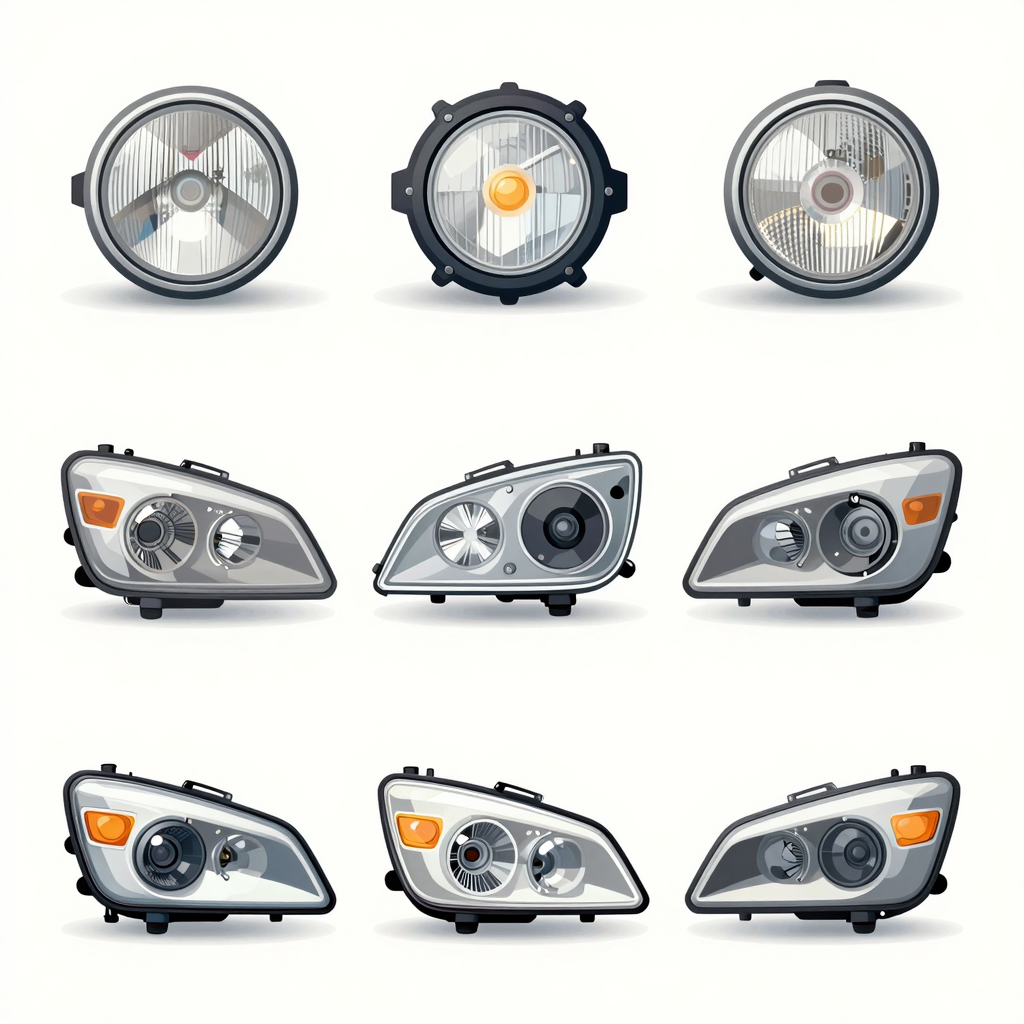
Understanding How Service Auto Headlights Work
Service auto headlights are an advanced feature found in many modern vehicles. These headlights automatically adjust based on ambient light conditions, enhancing visibility and improving safety for drivers. But how do they work? Let’s delve into the mechanics behind these innovative systems.
The Core Technology
The central component of service auto headlights is the light sensor, typically placed near the rearview mirror or at the top of the windshield. This photosensitive device continuously monitors the ambient light levels surrounding the vehicle. Common light sensors include cadmium sulfide (CdS) cells and photodiodes, which detect changes in light intensity.
When external light drops below a preset threshold, usually around 500 lux (equivalent to the light conditions at dusk or in a tunnel), the light sensor signals the vehicle’s Electronic Control Unit (ECU) to activate the low-beam headlights. This automatic activation enhances safety by ensuring that the car is visible to others even in low-light conditions.
How Light Conditions Affect Activation
The activation of service auto headlights is not just a binary process. Various light conditions can influence their operation:
- Bright Daylight (1,000+ lux): In conditions such as sunny days, the auto headlights stay turned off to avoid unnecessary use.
- Dusk/Twilight (400-500 lux): The headlights engage automatically when the environment becomes darker, improving visibility as natural light diminishes.
- Tunnel Entrance (100-200 lux): As vehicles enter tunnels, the headlights turn on automatically to ensure consistent lighting despite the drastic changes in visibility.
Advanced Features: Adaptive Lighting Systems
Modern vehicles have taken automatic lighting a step further through adaptive lighting systems. These systems dynamically adjust both the intensity and direction of the light beams based on various factors:
- Driving Speed: Lights may direct further down the road at higher speeds to provide better visibility.
- Steering Angle: The beam direction can be adjusted as the vehicle turns, enhancing visibility around curves.
- Surrounding Traffic: High-end systems often detect oncoming vehicles and temporarily dim the high beams to prevent glare, ensuring a safer driving experience.
Maintenance Considerations
To function effectively, the light sensor must remain clean and unobstructed, as dirt or foreign objects can impact its performance. Additionally, some systems are linked with rain sensors, activating headlights automatically when windshield wipers are in use.
For those interested in more about advanced car technology, understanding auto headlights can enhance not just safety but also the overall driving experience.
In conclusion, service auto headlights integrate various technologies to respond efficiently to changing light conditions, providing an essential safety feature for drivers. By automating headlight operations, these systems allow drivers to focus on the road while ensuring optimal visibility at all times.
Threshold Levels for Auto Headlights Activation
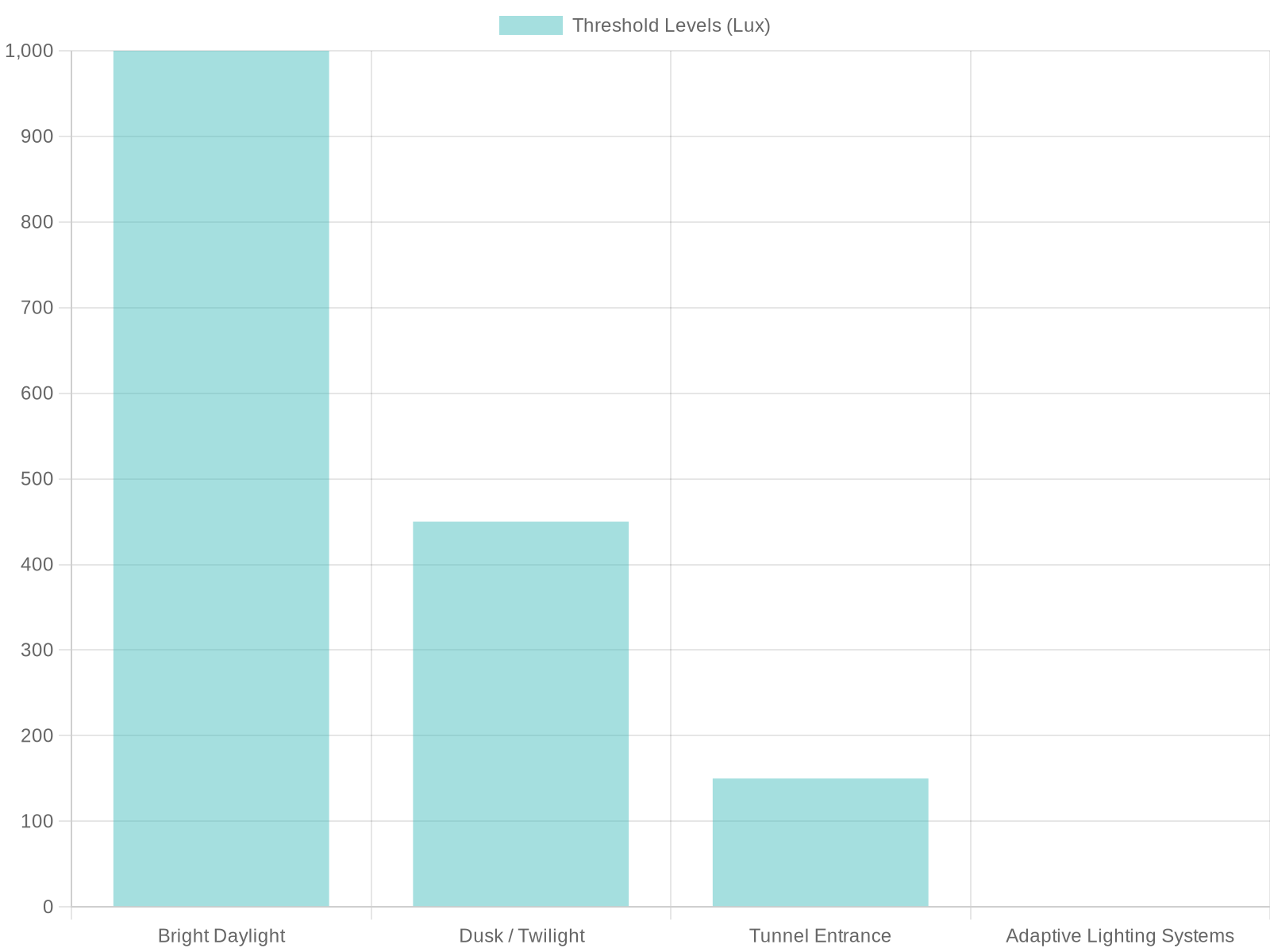
| Light Condition / Feature | Threshold Level (Lux) | Description |
|---|---|---|
| Bright Daylight | 1,000+ lux | Typical daylight level; headlights remain off. |
| Dusk / Twilight | 400-500 lux | Auto-headlights typically activate as ambient light drops below this range. |
| Tunnel Entrance | 100-200 lux | Headlights automatically turn on when entering tunnels due to low ambient lighting. |
| Adaptive Lighting Systems | Dynamic (varies) | Adjusts beam intensity and direction based on driving conditions. |
This system promotes not only convenience but also significant safety advancements for vehicle operators.
Comparison of Standard and Service Auto Headlights
| Feature | Standard Headlights | Service Auto Headlights |
|---|---|---|
| Functionality | Primarily for night driving; low beam and high beam functions | Advanced lighting technology; may include adaptive features like automatic dimming and high beam assist |
| Cost | Generally cheaper (around $50 to $200 per unit depending on type) | Higher initial cost (around $200 to $1,500, dependent on technology such as LED or HID) |
| Performance | Adequate for most driving conditions; illumination range around 400-500 feet | Superior performance with enhanced visibility; illumination range can exceed 600 feet or more, providing better night visibility. |
For more insights about headlight technologies, you can learn more about service auto headlights or check out tips on auto repair services.
Understanding Service Auto Headlights
Service auto headlights, commonly referred to as automatic headlights, are a modern vehicle feature that allows headlights to turn on and off automatically depending on the light conditions outside. This technology enhances driving safety by ensuring that the headlights are always functioning when necessary, particularly in low-light conditions.
The Importance of Safety Technology
According to a recent report by DEKRA, a leading automotive safety testing organization, modern lighting systems play a crucial role in driver visibility and overall vehicle safety. The report emphasizes that inadequate lighting can endanger not only the driver but also pedestrians, cyclists, and other road users. DEKRA states:
“Advanced lighting technology is a key component of the modern active safety system. Effective illumination significantly reduces the risk of accidents under nighttime and adverse weather conditions.” source
In addition to conventional safety features, service auto headlights support these active systems by adapting to various driving environments, thus further enhancing safety on the road. As we see advancements in aviation lighting systems like adaptive front lights and matrix LED technology, it is essential to ensure these systems are functioning properly for maximum safety.
Conclusion
For private car owners, small business fleet operators, car dealerships, and auto repair shops, understanding how modern safety technologies like service auto headlights contribute to safer driving is essential. Not only do they provide a convenience, but they also are vital in preventing accidents and ensuring overall road safety.
For more insights on enhancing automotive experiences, learn more about vintage car innovations.
Maintenance Tips for Service Auto Headlights
Keeping your vehicle’s headlights in optimal working condition is crucial for safety and visibility, especially for private car owners and fleet operators. Here are some practical maintenance tips to ensure your service auto headlights function reliably.
1. Check Headlight Lenses Regularly
Inspect your headlight lenses for cloudiness or damage. Over time, lenses can accumulate dirt, grime, or scratches, reducing light output. Clean the lenses periodically with a soft cloth and proper cleaning solution to maintain clarity.
2. Replace Headlights in Pairs
When one headlight fails, it is wise to replace the other at the same time. This keeps lighting consistent and ensures both sides are equally bright, which is essential for visibility and safety on the road. Consider replacing traditional halogen bulbs with more efficient LED options for longer lifespans.
3. Ensure Proper Alignment
Misaligned headlights can impair visibility and create glare for other drivers. Headlights should be adjusted if they shine too high, too low, or to the sides. Check alignment annually during routine maintenance.
4. Clean Exterior Surfaces
The headlight covers can get dirty from everyday use, affecting the brightness of the lights. Regularly wash the headlight covers using mild soap and water to remove any buildup of dirt, insects, or road debris that could affect light output.
5. Use Correct Bulb Type
Always replace headlights with the type specified in the vehicle’s owner’s manual. Improper bulbs can lead to electrical issues or damage the headlight assembly, potentially creating dangerous situations.
6. Inspect Wiring and Connectors
Regularly inspect the wiring and connectors for any signs of corrosion, loose connections, or damage. Addressing electrical issues promptly can prevent headlight failures.
For fleet operators, maintaining consistent procedures for checking headlights can minimize downtime and enhance safety on the road. Regular inspections not only ensure that lights are functioning but also help identify potential issues before they become serious problems. Incorporating these maintenance practices into your vehicle care routine can lead to safer driving experiences for both private owners and businesses.
For further insights, check out this guide on automatic headlight maintenance and learn about the importance of regular vehicle checks.
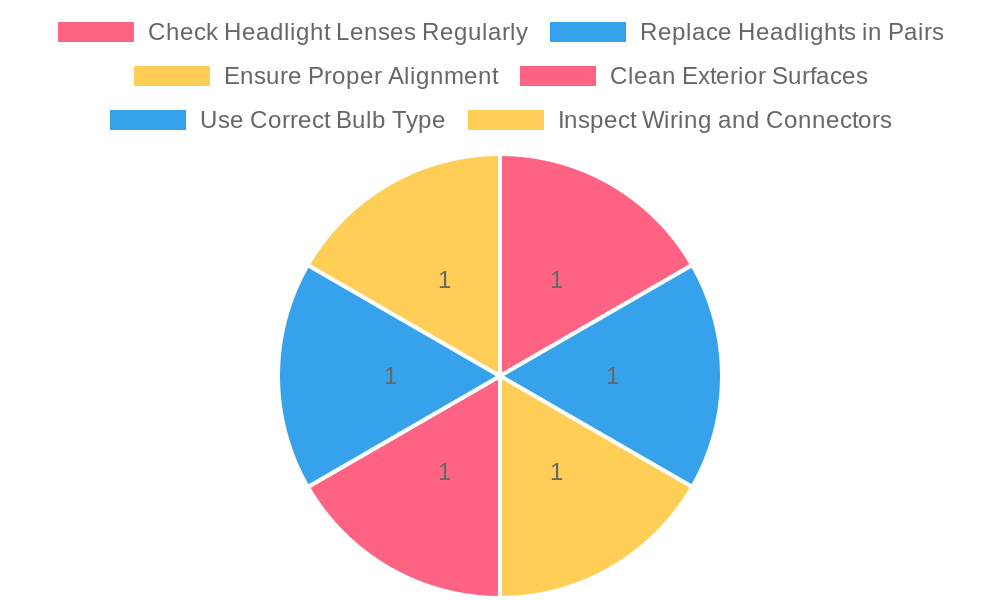
Here’s a quick summary of tips in the chart below:
| Maintenance Tip | Brief Description |
|---|---|
| Check Headlight Lenses Regularly | Inspect and clean to maintain optimal light output. |
| Replace Headlights in Pairs | Ensures consistent brightness and safety. |
| Ensure Proper Alignment | Prevents glare and ensures proper visibility. |
| Clean Exterior Surfaces | Regular washing maximizes light penetration. |
| Use Correct Bulb Type | Saves from electrical issues and damages. |
| Inspect Wiring and Connectors | Catch issues before they become serious problems. |
By following these tips, you can contribute significantly to your vehicle’s safety and functionality on the road.
Understanding the Impact of Visibility on Nighttime Accidents
Poor visibility significantly contributes to the risk of nighttime accidents. Studies from reputable sources like the National Highway Traffic Safety Administration (NHTSA) and the Insurance Institute for Highway Safety (IIHS) highlight how effective automobile headlights can mitigate this risk. The following data points illustrate the critical importance of headlight quality in enhancing road safety and reducing accidents related to poor visibility:
| Metric | Statistic | Source |
|---|---|---|
| Percentage of fatal accidents occurring at night | 50% | National Highway Traffic Safety Administration (NHTSA) |
| Reduction in nighttime accidents with high-quality headlights | 30% | Insurance Institute for Highway Safety (IIHS) |
| Increase in reaction time due to high-beam glare | 30% | Study on driver visibility and glare effects (various transportation safety research reports) |
The Importance of High-Quality Headlights
This data emphasizes the essential role that high-quality headlights play in reducing nighttime accidents. By improving visibility, these headlights not only help drivers see the road better but also reduce the chances of accidents caused by poor visibility. The IIHS found that vehicles equipped with superior headlights experience a substantial reduction in nighttime crash rates.
Conclusion
Investing in high-quality headlights can be a vital step for car owners and fleet operators. Properly maintained headlights not only enhance visibility but also contribute to a safer driving experience for everyone on the road. For further insights on auto services that can improve your vehicle’s safety features, learn more about our services.
Nighttime Driving Statistics
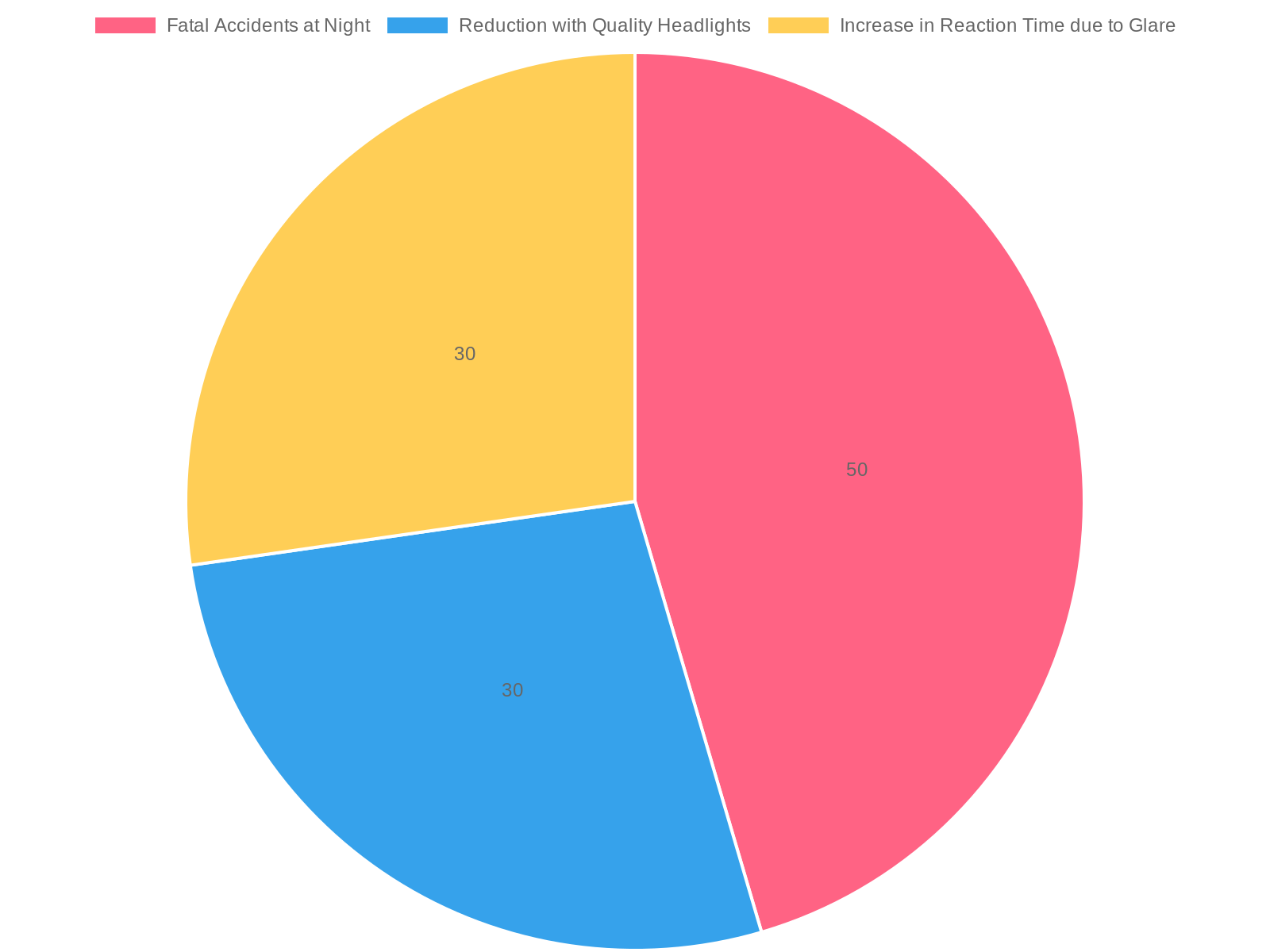
This chart depicts the relationship between nighttime accidents, the percentage of incidents due to glare, and the benefits of using high-quality headlights.
In conclusion, service auto headlights are not merely a convenience; they are a critical upgrade that significantly enhances the safety and comfort of driving. As highlighted throughout this article, automatic and advanced headlight systems utilize innovative technology to improve visibility and response times, particularly during nighttime travel or adverse weather conditions. According to the National Highway Traffic Safety Administration, vehicles equipped with automatic headlights experience up to a 25% reduction in nighttime crashes, showcasing their lifesaving potential. Furthermore, the transition to upgraded LED or HID headlights can amplify brightness by up to 300% compared to traditional halogen bulbs, allowing drivers to identify potential hazards much sooner.
This combination of safety features and technological advancements makes it vital for car owners, fleet operators, and dealerships to prioritize headlight upgrades in their vehicles. As you consider your next vehicle purchase or upgrade, remember the importance of investing in these enhanced lighting systems. Not only will they provide better illumination and visibility, reducing the likelihood of accidents, but they will also enhance your overall driving experience. Embrace these features for a safer, more comfortable future on the road.