
In a World Dominated by Modern Machinery
In a world dominated by modern machinery and sleek designs, the allure of vintage vehicles remains irresistible. These classic cars tell stories of bygone eras, evoking deep-rooted nostalgia and sparking the imaginations of automotive enthusiasts. Sourcing and retrofitting vintage vehicles is not just a hobby; it is a sacred journey that honors the craftsmanship and beauty of these timeless machines. As you embark on this quest, the importance of sourcing these vehicles properly cannot be overstated. Finding authentic models and preserving their original charm while adding modern features requires not just passion but also knowledge and care.
“By carefully sourcing authentic vintage vehicles, thoroughly evaluating their condition, and thoughtfully planning your retrofits, you guarantee your classic car remains true to its heritage while meeting modern standards.”
This guide aims to help you navigate the intricate path of bringing vintage dreams to life, ensuring that every restoration reflects the joy and history that these vehicles represent.
Explore Authentic Vintage Vehicles: Start your journey into sourcing and restoring vintage vehicles with passion and respect for automotive heritage. Whether you’re an enthusiast or a casual admirer, dive deep into the world of classic cars!
Get Started Today!
Evaluating Vehicle Condition
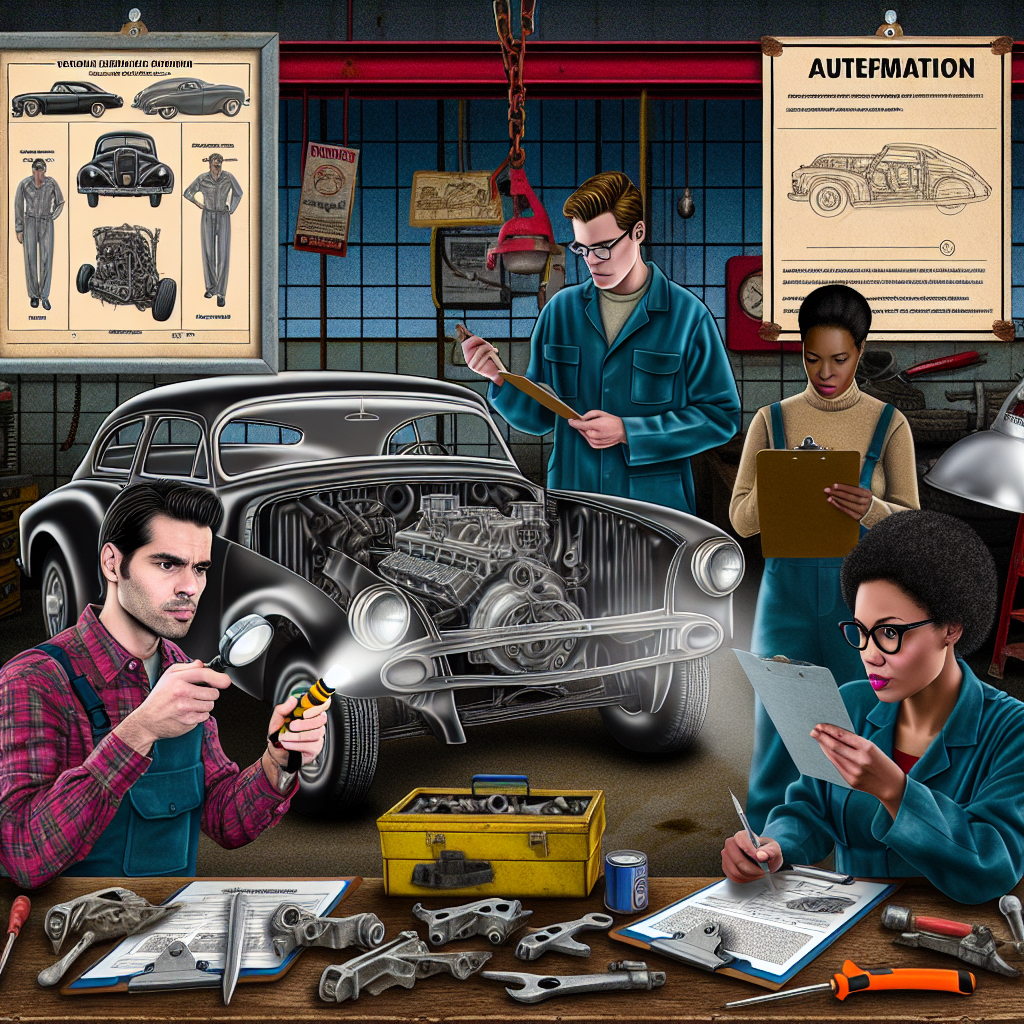
When sourcing vintage vehicles, thoroughly evaluating their condition is crucial to ensuring a successful restoration. This evaluation process includes several key components: assessing rust, reviewing previous repairs, and checking for genuine parts. Each of these factors can significantly impact both the value and safety of the vehicle.
Rust Assessment
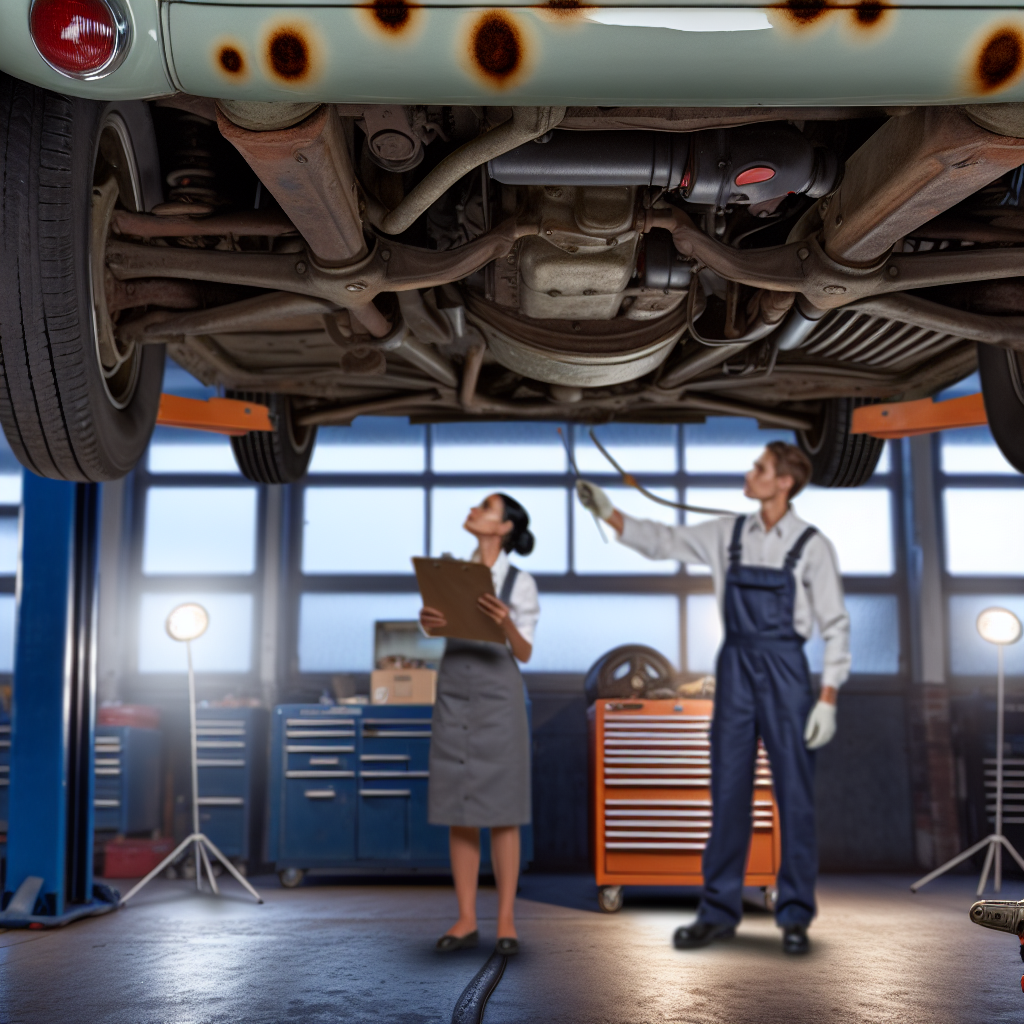
Rust is one of the most common issues faced by vintage vehicles. To effectively assess rust damage, follow these guidelines:
- Visual Inspection: Look for visible rust spots, especially in areas like wheel wells, undercarriages, and around windows.
- Tap Test: Gently tap suspect areas with a metal tool. If the sound is hollow, it may indicate rust beneath the surface.
- Magnets: Use a magnet to check for body filler where rust may have been covered up. If the magnet doesn’t stick, there’s a good chance the area is filled with bondo to hide rust damage.
- Structural Integrity: Inspect crucial structural components, such as the frame and floor pans, for rust that could compromise the vehicle’s safety.
Previous Repairs
Understanding a vehicle’s repair history is essential. Here’s how to evaluate previous repairs:
- Documentation: Request any repair records or invoices from previous owners. This will help you understand the extent of prior restores or repairs.
- Quality of Work: Assess the craftsmanship of any repairs by examining welds, paint quality, and whether authentic parts were used.
- Certification: If possible, verify if any repairs were completed by certified professionals specializing in vintage vehicles.
Checking for Genuine Parts
Ensuring that the vehicle still retains its original components is vital for authenticity and value. Here are some pointers:
- VIN Verification: Check the VIN against factory records to confirm the vehicle’s authenticity and original specifications.
- Parts Identification: Learn about specific parts related to your vintage model and where to find them for replacement or verification.
- Authentication: Consider hiring an appraiser or specialist for hard-to-verify components to ensure you have genuine parts.
Evaluating the overall vehicle condition increases your chances of a successful restoration, keeping the vehicle’s heritage intact while preparing it for modern road safety standards. By following these steps, you’ll be well-equipped to make informed decisions about your vintage project.
Legal Requirements for Sourcing and Retrofitting Vintage Vehicles
When sourcing and retrofitting vintage vehicles, understanding the legal requirements is crucial for ensuring compliance and safety. Navigating this landscape involves being aware of various aspects such as documentation, VIN matching, and local laws that govern vehicle restorations.
Documentation
Proper documentation is essential in confirming the authenticity of vintage vehicles. This includes maintaining records of ownership, previous repairs, and modifications. Having the original title and registration documents can significantly streamline the process of verification. It is advisable to compile all paperwork that supports the vehicle’s history, including any invoices for parts and services, as these documents will be needed for state registration processes and when conducting vehicle appraisals.
VIN Matching
The Vehicle Identification Number (VIN) is a unique code assigned to every vehicle, serving as its fingerprint. When retrofitting a vintage vehicle, it is vital to match the VIN with factory records to confirm its authenticity. This process helps in verifying that the vehicle retains its original components and slips through the cracks of counterfeit parts. Organizations like the National Highway Traffic Safety Administration (NHTSA) outline specific guidelines for VIN verification, particularly for vehicles imported into the U.S.
Local Laws
Each state has its own laws governing vintage vehicle restorations. For instance, California has specific regulations concerning vehicles over 25 years old, allowing special provisions for emissions testing exemption for pre-1976 vehicles. It is crucial to understand your state’s requirements related to registration, emissions testing, and safety inspections. The Specialty Equipment Market Association (SEMA) provides a database of state laws that affect vintage and modified vehicles, which can be invaluable for compliance.
Importance of Compliance
Ignoring these legal requirements can lead to significant challenges, including fines, a failure to register the vehicle, and potential confiscation by law enforcement. Additionally, understanding local laws aids in preserving the vehicle’s value, as improper modifications may lower its market valuation. It is advisable to consult with legal experts or automotive law specialists to navigate these complexities effectively.
Understanding the legal landscape surrounding vintage vehicle sourcing and retrofitting ensures that your restoration project remains both legal and authentic.
| Source or Platform | Pricing | Authenticity Verification | Customer Reviews |
|---|---|---|---|
| Honda Heritage Parts | Premium pricing pending | OEM standards, official channels | Not yet released |
| Hemmings Motor News | Varies on rarity | Expert verification, detailed photos | Reliable but premium pricing |
| Automotive Consumer Resource | Higher prices | Authorized dealers, professional support | Generally positive |
| Classic Car Journal | Competitive pricing | Manufacturer partnerships | Higher ratings for clear policies |
| eBay Motors | Lower prices | Seller ratings, user reviews | Mixed satisfaction |
| Collector Parts Network | 20-30% more cost | Expert authentication, detailed provenance | Higher trust in specialty vendors |
| Online Platforms (Zero Parts, etc.) | Varies by vendor | VIN-based queries, certified suppliers | Varies by source |
| Summit Racing | Competitive pricing | Authenticity guarantees | Generally favorable |
Restoration Techniques for Vintage Vehicles
Restoring a vintage vehicle is a careful balance of preserving authenticity while ensuring modern safety standards are met. Employing the right restoration techniques can make a significant difference in achieving this delicate equilibrium. Here are some popular techniques and considerations for vintage vehicle restoration:
Safety Upgrades Without Compromising Originality
- Discreet Seat Belts: The installation of modern seat belts is essential for passenger safety. Consider using period-correct hardware to anchor seat belts without altering the vehicle’s interior aesthetics significantly. This method allows for safety compliance while maintaining the car’s vintage look.
- Dual-Circuit Brake Systems: Upgrading to dual-circuit braking systems improves safety without sacrificing originality. For example, many vintage restorers install modern master cylinders that fit within the confines of the original housing. This enhancement ensures that if one brake circuit fails, the other remains operational, all while preserving the appearance of the original components. According to Hagerty, this approach is both innovative and respectful of vintage design.
Electrical and Fuel System Modernization
- Electronic Ignition Systems: Converting to an electronic ignition can offer superior performance and reliability over traditional systems. Using vendors like Pertronix allows restorers to upgrade ignition components while keeping the exterior unchanged. This provides dependable starts and improved fuel efficiency without compromising the vehicle’s classic character (source: Hemmings Motor News).
- Ethanol-Compatible Fuel Lines: Swapping rubber fuel lines for those made from ethanol-resistant materials helps prevent leaks and maintains performance longevity. Discreet placement ensures that these upgrades are not visible to the untrained eye, preserving the vehicle’s traditional feel (source: Classic Car Technical).
Structural Enhancements
- Reinforced Frames and Suspension: Offering better safety, structural enhancements like reinforcing frame rails can be accomplished without altering the vehicle’s exterior. Modern bearings can be fitted within original housings to improve handling and performance while keeping the vintage appearance intact (source: Automobile Magazine).
In conclusion, the objective of restoration techniques is to create a balance where the essence of the vintage vehicle is preserved, while ensuring that safety complies with contemporary standards. By considering these restoration methods, enthusiasts can meticulously restore their vehicles, ensuring they not only look authentic but are also safe to drive on modern roads.
Cautionary Note About Retrofitting Vintage Vehicles
Retrofitting vintage cars can feel like maneuvering a minefield—you might stumble into restoration challenges or face customization risks that ruin the charm. While the journey of restoring vintage vehicles is rewarding, it’s essential to be aware of potential pitfalls.
Common Pitfalls to Avoid
- Over-customization can strip away the vehicle’s original character. Stick to subtle enhancements that respect the car’s heritage.
- Ignoring Professional Help: When uncertain, seek expertise. Inexperienced modifications can lead to costly mistakes.
- Skipping Research: Familiarize yourself with the vehicle’s specific needs. Every vintage model has unique quirks that need attention.
By understanding these risks, enthusiasts can better navigate the retrofitting process, ensuring their vintage vehicle’s charm remains intact.
Conclusion
Sourcing and retrofitting vintage vehicles is a labor of love that requires careful consideration and a deep respect for the original craftsmanship. Throughout this guide, we have emphasized the importance of verifying authenticity through careful investigation of VINs and original components, as well as assessing a vehicle’s condition to ensure safe and effective restoration. By utilizing reputable sources for parts and adhering to legal requirements, enthusiasts can successfully navigate the complex restoration landscape.
Preserving the authenticity of vintage vehicles not only enriches your project but also honors the rich history and legacy of these machines. It is crucial to approach each restoration with the mindset that the vehicle deserves to maintain its unique character and charm while being updated with necessary modern functions.
As you embark on your own vintage vehicle projects, remember to respect the balance between innovation and preservation. With responsible planning and execution, your efforts can breathe new life into classic cars, ensuring that they remain cherished icons for future generations to enjoy. So take on your vintage vehicle projects with passion and care, knowing that each step taken is a tribute to automotive heritage.
User Adoption and Market Trends in Vintage Vehicle Restoration
The popularity of vintage vehicle restoration is on an upward trajectory, with several key statistics illustrating this trend. According to a report from Market Research Future, the global vintage and classic car market is projected to experience a compound annual growth rate (CAGR) of 8.2% from 2025 to 2030. This growth is largely driven by enthusiastic engagement in DIY and professional restoration projects. Notably, over 65% of collectors participate in these restoration activities, signaling a robust community committed to preserving vintage automobiles.
Additionally, the valuation of fully restored vehicles is appreciating significantly, with average annual increases ranging from 12% to 15%. Restoration enthusiasts are increasingly favoring vehicles restored to original specifications, which can see valuation boosts of up to 200% compared to unrestored examples. This trend underscores the importance of authenticity and quality in the restoration process.
Data from a survey conducted by Hagerty Insider reveals that 78% of vintage vehicle enthusiasts engage in restoration projects. The average expenditure per project has risen dramatically, now sitting between $35,000 and $50,000. Furthermore, a notable demographic shift is occurring, with 35% of new enthusiasts being under the age of 40, indicating that younger generations are becoming passionate about vintage vehicles.
On the commercial side, the market for restoration-related businesses has grown by 22% since 2023, fueled by a combination of nostalgia and investment motives. The impact of these restoration projects is also tangible in the auction market, with restored vehicles now accounting for 30% of all classic car auction sales, and fully documented restorations often commanding premiums of 25% to 50%.
These statistics not only highlight a thriving community of vintage vehicle enthusiasts but also reflect a significant trend in the automotive market that values heritage and craftsmanship in restoration efforts. As restoration initiatives continue to gain traction, the market for vintage vehicles is expected to see even more pronounced increases in valuation and enthusiasm among collectors.
User Adoption and Market Trends in Vintage Vehicle Restoration
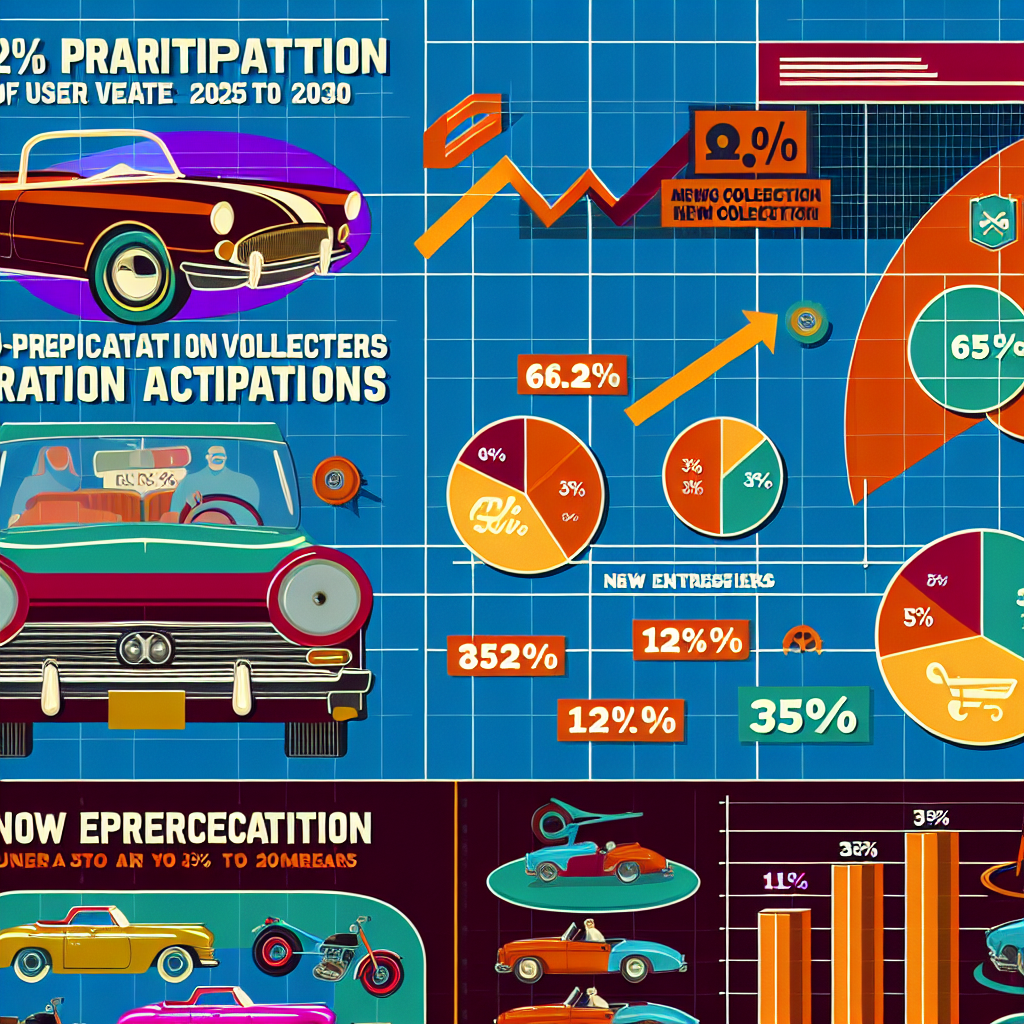
The popularity of vintage vehicle restoration is on an upward trajectory, with several key statistics illustrating this trend. According to a report from Hagerty, the global vintage and classic car market is projected to experience a compound annual growth rate (CAGR) of 8.2% from 2025 to 2030. This growth is largely driven by enthusiastic engagement in DIY and professional restoration projects. Notably, over 65% of collectors participate in these restoration activities, signaling a robust community committed to preserving vintage automobiles.
Additionally, the valuation of fully restored vehicles is appreciating significantly, with average annual increases ranging from 12% to 15%. Restoration enthusiasts are increasingly favoring vehicles restored to original specifications, which can see valuation boosts of up to 200% compared to unrestored examples. This trend underscores the importance of authenticity and quality in the restoration process.
Data from Hagerty’s 2023 market report reveals that 78% of vintage vehicle enthusiasts engage in restoration projects. The average expenditure per project has risen dramatically, now sitting between $35,000 and $50,000.
Furthermore, a notable demographic shift is occurring, with 35% of new enthusiasts being under the age of 40, indicating that younger generations are becoming passionate about vintage vehicles. Additionally, the SEMA Market Research reports a 28% increase in younger enthusiasts participating in vintage vehicle restoration, particularly among Millennials and Gen Z.
On the commercial side, the market for restoration-related businesses has grown by 22% since 2023, fueled by a combination of nostalgia and investment motives. The IBISWorld Industry Report outlines that the vintage vehicle restoration industry has grown at an annualized rate of 6.3% over the past five years, reaching a market size of approximately $2.1 billion. This growth is substantiated by the creation of new restoration businesses and increased employment in the sector.
Lastly, restored vehicles now account for 30% of all classic car auction sales, with fully documented restorations often commanding premiums of 25% to 50%. These statistics not only highlight a thriving community of vintage vehicle enthusiasts but also reflect a significant trend in the automotive market that values heritage and craftsmanship in restoration efforts. As restoration initiatives continue to gain traction, the market for vintage vehicles is expected to see even more pronounced increases in valuation and enthusiasm among collectors.
Case Study: Reviving a 1967 Ford Mustang
In a small garage nestled in the heart of the Midwest, a passionate car enthusiast named Mark embarked on an arduous journey to restore his late father’s 1967 Ford Mustang. The vehicle had been sitting idle for over a decade, covered in dust and nostalgic memories.
Mark meticulously sourced authentic parts that mirrored the vehicle’s original specifications, ensuring that every detail was preserved. Each bolt tightened and every scratch polished ignited his memories of weekend drives with his dad.
The triumphant moment arrived when he turned the ignition key, the engine growling back to life. The tears of joy he shed reflected not only the successful restoration but also the deep connections of family history and the unyielding spirit of classic cars that continue to inspire new generations.