
Nestled in the heart of Georgia, Old Car City is not merely a junkyard; it is a sprawling 34-acre homage to automotive history that has been captivating visitors since it opened its doors in 1931. Imagine wandering through a forest of rusted memories, where over 4,000 classic cars—some dating back to the 1930s—stand as silent witnesses to years gone by.
This unique destination offers an unparalleled blend of nostalgia and adventure, inviting explorers to step back in time and relish the rich tapestry of American automotive heritage. As you navigate the winding trails lined with vintage vehicles, you’ll discover a treasure trove of stories that each car holds, waiting to be unearthed by enthusiasts and casual visitors alike.
Old Car City is not just a place; it is an experience that beckons to the heart of anyone who has ever appreciated the beauty and craftsmanship of classic cars.
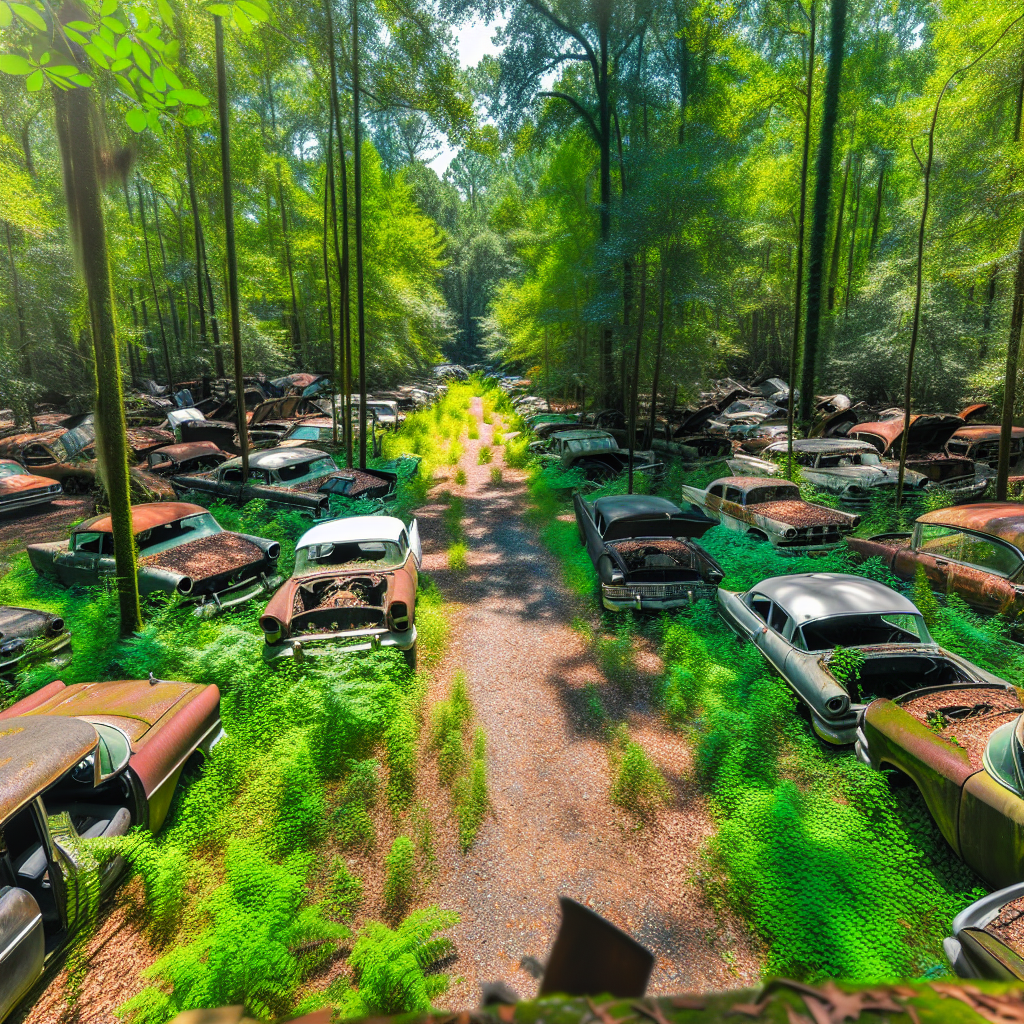
Old Car City was established in 1931 by Walter Dean Lewis, who had an innate passion for automobiles. Originally a simple junkyard, it began with just a handful of cars as Dean took to collecting parts and vehicles from his local area. The early years were characterized by humble beginnings, with vehicles often salvaged for their components, yet the allure of vintage cars began to bloom.
In the 1970s, Old Car City evolved significantly as it expanded its collection to include approximately 40 distinct vehicles that became part of the lore surrounding the site. Each car carried with it a unique story, reflecting various automotive eras and styles that caught the attention of enthusiasts and casual visitors alike. The Lewis family’s dedication to preserving these classic automobiles became a cornerstone of Old Car City’s identity.
As the decades passed, Old Car City transformed from a mere salvage yard into a vibrant homage to automotive history, showcasing over 4,000 vehicles across its expansive 34-acre property. This transformation in the 1990s marked its evolution into a museum-like setup, with visitors invited not just to view but to celebrate the classic cars that symbolize American ingenuity and design.
Today, Old Car City remains a family-run business, primarily operated by Dean’s son, Dean Lewis Jr. The Lewis family commitment to preserving this precious automotive history continues to shape the attractions within the yard, drawing car enthusiasts eager to experience the nostalgic charm and rich narratives offered at this unique Georgia location.
Old Car City is more than just a junkyard; it is a living museum where the echoes of the past resonate among rusting chassis and weary wheels, allowing each visitor to engage in the continued legacy of the automotive world. The site successfully intertwines history, nature, and nostalgia, ensuring its place in the hearts of many for years to come.
| Model | Years of Production | Engine Options | Horsepower | Unique Features |
|---|---|---|---|---|
| Ford Model T | 1908-1927 | 2.9 L inline-4 | 20 | Iconic design, first mass-produced car |
| Ford Mustang | 1964-present | V6, V8 options | 300+ | American muscle car, extensive customization options |
| Ford F-150 | 1948-present | V6, V8 options and EcoBoost | 290-450 | Best-selling truck, versatile uses |
| Ford Thunderbird | 1955-1997 | V8 | 220-500 | Classic luxury sports coupe |
| Ford Escort | 1968-2002 | 1.6 L to 2.0 L inline-4 | 130-150 | Popular compact car, economical choice |
| Ford Crown Victoria | 1992-2011 | V8 | 150-250 | Common police car, spacious interior |
Old Car City: A Nostalgic Journey
Old Car City is more than just a collection of classic cars; it is an emotional experience that resonates deeply with visitors, particularly those who cherish nostalgia. As they meander through its sprawling 34-acre grounds, filled with over 4,000 vehicles, the feeling of stepping back in time envelops them. Old Car City has evolved into a sanctuary for memories, evoking childhood recollections of family road trips and the shiny automobiles of yesteryear. As one visitor astutely remarked on TikTok, “Old Car City USA makes the little kid in me cry every time I see it.” These reflections embody the strong emotional connection many have with the site, where each rusted chassis tells a story of its own.
One standout experience that highlights the powerful nostalgia associated with Old Car City comes from Audrey W., a visitor who shared, “The gentleman that helped us is the current owner, and the junkyard was started by his grandparents 92 years ago.” This connection not only links visitors to the Lewis family but also enhances the deep-seated appreciation for the history behind the automobiles. Dean Lewis, who manages the site and is part of the Lewis family legacy, has dedicated his life to preserving these vehicles and their stories. He often shares insights about how his father, Walter Dean Lewis, transformed the original junkyard into an open-air museum where nature intertwines with automotive history.
Fast Eddie McDaniel is another figure who adds a unique dimension to the visitor experience. Known for his musical talent, Eddie often entertains guests with impromptu performances on the piano, where he is frequently found alongside an amusing array of decorations, including a bear mounted on the wall. His congeniality enhances the charm of Old Car City, encouraging visitors to engage with the site genuinely. “If you are lucky, you can find him behind a piano playing the blues,” guests say, capturing the essence of the extra layer of warmth that personal interactions bring to the visitor experience.
Visiting Old Car City is often described as a journey through time, where the quest for rusted treasures becomes a captivating adventure. One visitor mentioned, “I’ve been there a couple of times and still haven’t seen it all,” exemplifying the allure of discovery that the junkyard offers. With every turn, visitors encounter not just cars, but the echoes of their past—a poignant reminder that every dent and moss-covered seat reveals a history worth remembering.
Richard Drexel Phelps, reflecting on the philosophy of preservation that defines Old Car City, noted, “People in my part of Alabama buy restorable classic cars, drive them behind the house, and let them rust into the ground. If you ask them if they would sell, ‘Nah.’ This is probably the largest example of that philosophy in the world.” His keen observation connects the ethos of Old Car City to a broader cultural appreciation for classic cars, emphasizing how these relics are much more than just vehicles; they are vessels of memory and sentiment.
In a world that often rushes forward, Old Car City offers a unique respite, where everyone from photographers to casual fans delight in the beauty of automobiles that symbolize American ingenuity and nostalgia. The Lewis family’s commitment to preserving this site for future generations ensures that every visitor leaves with a sense of connection, cherishing not just the memories of cars but also the shared stories that bring them to life. As one visitor poignantly stated, “If you ever had an emotional tie to an old car…this one is for you.” At Old Car City, the past is not just visited; it is lived.
- Nestled in Georgia, Old Car City spans 34 acres and houses over 4,000 classic cars, some dating back to the 1930s.
- Established in 1931 by Walter Dean Lewis, it started as a junkyard and evolved into a unique museum of automotive history.
- Visitors often express emotional connections, reminiscing about childhood memories linked to classic cars.
- The Lewis family, now led by Dean Lewis Jr., continues to manage the site, sharing insights about its legacy with visitors.
- Fast Eddie McDaniel enhances the experience with live musical performances, adding a lively atmosphere to the grounds.
- Guests describe their visits as captivating adventures, with many noting they have yet to see all the hidden treasures within the junkyard.
- Old Car City symbolizes a broader cultural appreciation for classic cars, illustrating the conflict between preservation and restoration among enthusiasts.
The Debate: Preservation vs. Restoration at Old Car City
At Old Car City, the tension between preservation and restoration plays out amid the rusting vehicles that stand as monuments to automotive history. Enthusiasts are deeply divided on the best approach to these classic cars, with each side presenting compelling arguments and emotional attachments.
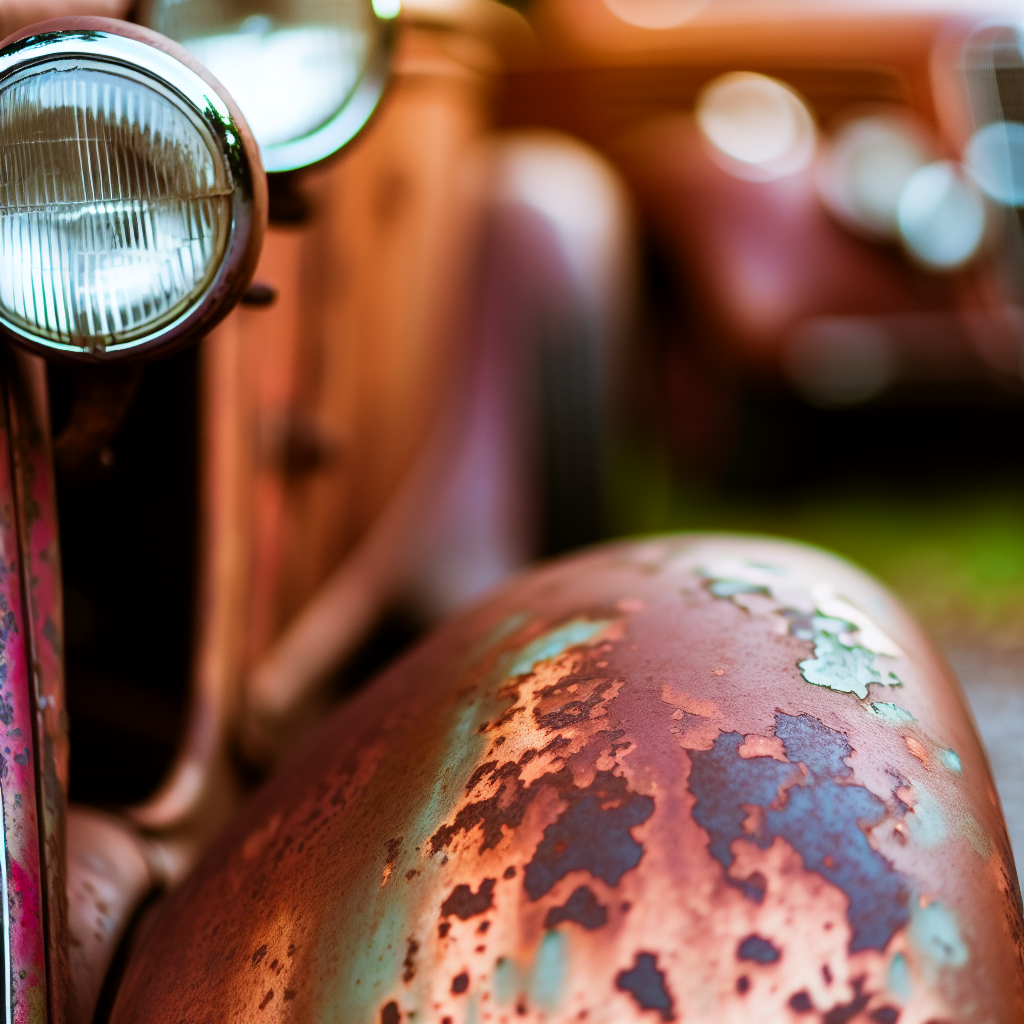
Preservationists advocate for allowing the cars to remain in their current, often weathered states. They argue that every dent, rust patch, and even the peeling paint tells a story of its own, representing a unique piece of history. According to one preservationist, “If a vehicle doesn’t need restoring, then don’t restore it. The interpretative quality of a preserved car is high.” This statement underscores the belief that Old Car City’s cars, untouched by restoration, reveal narratives that resonate not just with enthusiasts but with anyone who appreciates the authenticity of time’s passage.
Furthermore, another ardent supporter of preserving the original state of cars remarked, “A 90% original, untouched survivor may hold more value to collectors than a fully restored example. There’s something irreplaceable about factory finishes.” Such sentiments reflect a growing trend among collectors who see immense value in the original, unaltered aesthetic of classic vehicles. Old Car City embodies this philosophy as a vast, open-air museum where the passage of time is celebrated rather than erased.
On the flip side, restoration advocates passionately defend their belief that classic cars should be revitalized to their former glory. They argue that restoration allows these vehicles to fulfill their intended purpose: being driven and cherished. One restoration enthusiast voiced a common sentiment shared by many: “I understand that everyone has an opinion. Me personally, I can’t wait until this patina fad passes. This car deserves a full restoration.” This perspective emphasizes the nostalgia associated with pristine classic cars, pristine models that rekindle memories of yesteryears untouched by decay.
Moreover, the pragmatism seen in some restoration arguments captures a significant point: “Depends on condition. Preserve if at all possible, restore if too far gone.” Many believe that certain cars at Old Car City, while perhaps too deteriorated for conventional restoration, could still inspire a new lease on life through careful intervention. This variety of perspectives creates a rich tapestry of dialogue among visitors and enthusiasts alike.
Ultimately, the debate surrounding preservation versus restoration is not merely a matter of opinion; it is a profound reflection of personal attachment to classic cars. At Old Car City, both philosophies coexist, inviting each visitor to engage with history in a manner that resonates deeply with their individual experiences. Whether one prefers the natural decay of a survivor or the gleaming finish of a restored beauty, Old Car City serves as a testament to the enduring love for classic automobiles and the stories they embody.
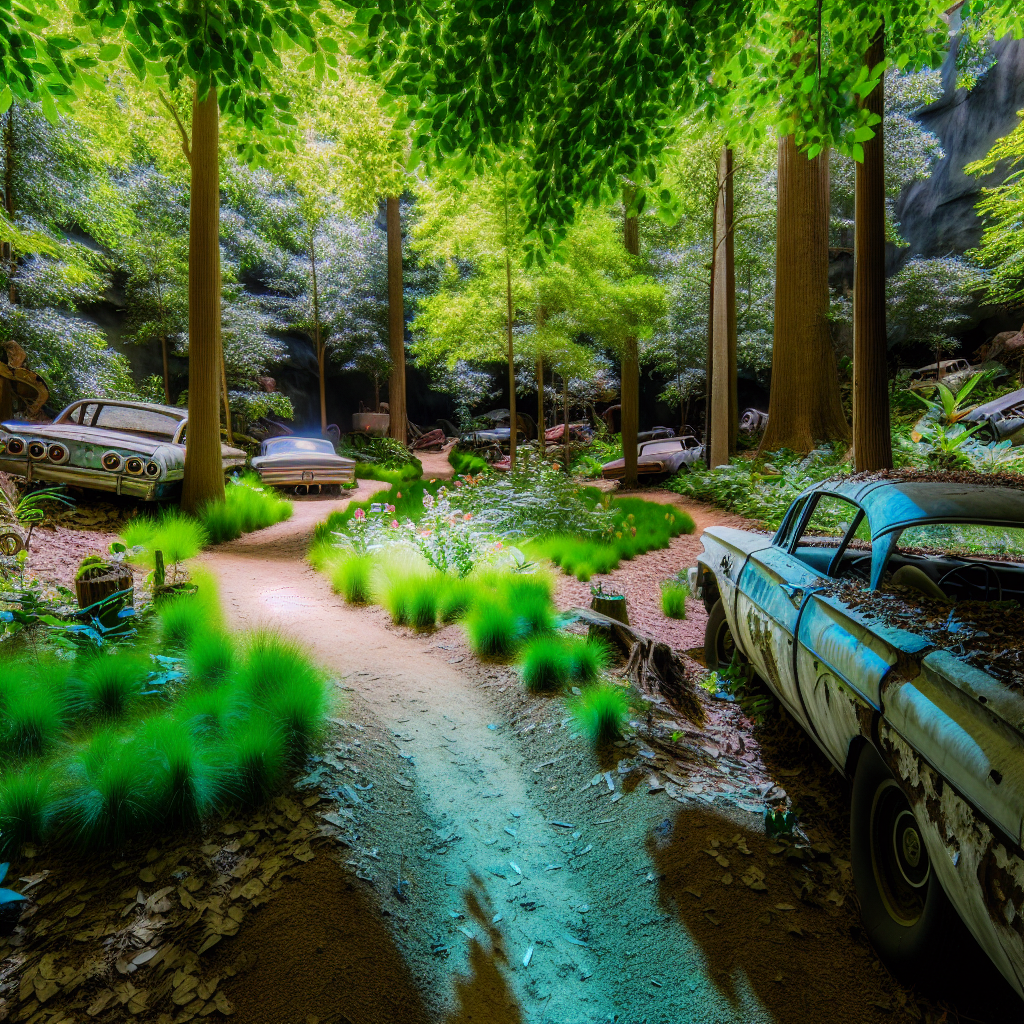
As we conclude our exploration of Old Car City, it’s essential to recognize that this remarkable place is more than just a collection of rusting metal; it is a testament to the enduring love of classic cars and a gateway to nostalgia. Every corner of this 34-acre wonderland whispers stories of the past, beckoning visitors to reminisce about their own automotive adventures, childhood memories, and the evolving tapestry of American life on the road. The heart of Old Car City lies in its ability to connect generations through these timeless vehicles, allowing both young and old alike to relive personal histories intertwined with the allure of classic cars.
Visiting Old Car City is an invitation to step into a living museum, where the beauty of decay and the charm of untouched relics create a unique atmosphere that few places can replicate. Whether you are a die-hard car enthusiast or someone simply looking for an enriching experience, Old Car City offers a journey that goes beyond sightseeing—it is about connection, stories, and the shared appreciation for the art of automotive design.
So, pack your bags, hit the road, and let Old Car City captivate your imagination. Experience the rust and the stories for yourself, and forge your own memories amid the spectacular backdrop of automotive history that continues to inspire awe in all who visit it.
Join the Conversation!
Are you a classic car enthusiast or someone who simply cherishes the magic of vintage automobiles? We invite you to share your thoughts and experiences with old cars! Have any memorable moments from your favorite classic car shows or perhaps a cherished vehicle from your past?
If you haven’t yet visited Old Car City, why not plan a trip? Immerse yourself in the nostalgia and adventure that awaits. This 34-acre treasure trove is not just a sight to see, but a chance to reconnect with the beauty of automotive history. Let us know—what ignites your passion for classic cars?
Your stories matter and could inspire others!
| Year | Event |
|---|---|
| 1931 | Old Car City is established by Walter Dean Lewis as a simple junkyard. |
| 1970s | Expansion of the collection to approximately 40 vehicles, highlighting automotive variety. |
| 1990s | Transformation into a museum-like setting, inviting public engagement and celebration of classic cars. |
| Present | Operated by Dean’s son, Dean Lewis Jr., continuing the family legacy of preserving automotive history. |
Exploring the World’s Largest Classic Car Junkyard in Georgia
Classic Car Restoration: Introduction
Nestled in the heart of Georgia, Old Car City is not merely a junkyard; it is a sprawling 34-acre homage to automotive history that has been captivating visitors since it opened its doors in 1931. Imagine wandering through a forest of rusted memories, where over 4,000 classic cars—some dating back to the 1930s—stand as silent witnesses to years gone by. This unique destination offers an unparalleled blend of nostalgia and adventure, inviting explorers to step back in time and relish the rich tapestry of American automotive heritage. As you navigate the winding trails lined with vintage vehicles, you’ll discover a treasure trove of stories that each car holds, waiting to be unearthed by enthusiasts and casual visitors alike. Old Car City is not just a place; it is an experience that beckons to the heart of anyone who has ever appreciated the beauty and craftsmanship of classic cars.
Classic Car Collection: Image of the Junkyard
History of Classic Car Preservation at Old Car City
Old Car City was established in 1931 by Walter Dean Lewis, who had an innate passion for automobiles. Originally a simple junkyard, it began with just a handful of cars as Dean took to collecting parts and vehicles from his local area. The early years were characterized by humble beginnings, with vehicles often salvaged for their components, yet the allure of vintage cars began to bloom. In the 1970s, Old Car City evolved significantly as it expanded its collection to include approximately 40 distinct vehicles that became part of the lore surrounding the site. Each car carried with it a unique story, reflecting various automotive eras and styles that caught the attention of enthusiasts and casual visitors alike. The Lewis family’s dedication to preserving these classic automobiles became a cornerstone of Old Car City’s identity.
As the decades passed, Old Car City transformed from a mere salvage yard into a vibrant homage to automotive history, showcasing over 4,000 vehicles across its expansive 34-acre property. This transformation in the 1990s marked its evolution into a museum-like setup, with visitors invited not just to view but to celebrate the classic cars that symbolize American ingenuity and design.
Today, Old Car City remains a family-run business, primarily operated by Dean’s son, Dean Lewis Jr. The Lewis family commitment to preserving this precious automotive history continues to shape the attractions within the yard, drawing car enthusiasts eager to experience the nostalgic charm and rich narratives offered at this unique Georgia location.
Old Car City is more than just a junkyard; it is a living museum where the echoes of the past resonate among rusting chassis and weary wheels, allowing each visitor to engage in the continued legacy of the automotive world. The site successfully intertwines history, nature, and nostalgia, ensuring its place in the hearts of many for years to come.
Comparing Classic Ford Models
| Model | Years of Production | Engine Options | Horsepower | Unique Features |
|---|---|---|---|---|
| Ford Model T | 1908-1927 | 2.9 L inline-4 | 20 | Iconic design, first mass-produced car |
| Ford Mustang | 1964-present | V6, V8 options | 300+ | American muscle car, extensive customization options |
| Ford F-150 | 1948-present | V6, V8 options and EcoBoost | 290-450 | Best-selling truck, versatile uses |
| Ford Thunderbird | 1955-1997 | V8 | 220-500 | Classic luxury sports coupe |
| Ford Escort | 1968-2002 | 1.6 L to 2.0 L inline-4 | 130-150 | Popular compact car, economical choice |
| Ford Crown Victoria | 1992-2011 | V8 | 150-250 | Common police car, spacious interior |
Visitor Experiences with Classic Cars
Old Car City is more than just a collection of classic cars; it is an emotional experience that resonates deeply with visitors, particularly those who cherish nostalgia. As they meander through its sprawling 34-acre grounds, filled with over 4,000 vehicles, the feeling of stepping back in time envelops them. Old Car City has evolved into a sanctuary for memories, evoking childhood recollections of family road trips and the shiny automobiles of yesteryear. As one visitor astutely remarked on TikTok, “Old Car City USA makes the little kid in me cry every time I see it.” These reflections embody the strong emotional connection many have with the site, where each rusted chassis tells a story of its own.
One standout experience that highlights the powerful nostalgia associated with Old Car City comes from Audrey W., a visitor who shared, “The gentleman that helped us is the current owner, and the junkyard was started by his grandparents 92 years ago.” This connection not only links visitors to the Lewis family but also enhances the deep-seated appreciation for the history behind the automobiles. Dean Lewis, who manages the site and is part of the Lewis family legacy, has dedicated his life to preserving these vehicles and their stories. He often shares insights about how his father, Walter Dean Lewis, transformed the original junkyard into an open-air museum where nature intertwines with automotive history.
Fast Eddie McDaniel is another figure who adds a unique dimension to the visitor experience. Known for his musical talent, Eddie often entertains guests with impromptu performances on the piano, where he is frequently found alongside an amusing array of decorations, including a bear mounted on the wall. His congeniality enhances the charm of Old Car City, encouraging visitors to engage with the site genuinely. “If you are lucky, you can find him behind a piano playing the blues,” guests say, capturing the essence of the extra layer of warmth that personal interactions bring to the visitor experience.
Visiting Old Car City is often described as a journey through time, where the quest for rusted treasures becomes a captivating adventure. One visitor mentioned, “I’ve been there a couple of times and still haven’t seen it all,” exemplifying the allure of discovery that the junkyard offers. With every turn, visitors encounter not just cars, but the echoes of their past—a poignant reminder that every dent and moss-covered seat reveals a history worth remembering.
Richard Drexel Phelps, reflecting on the philosophy of preservation that defines Old Car City, noted, “People in my part of Alabama buy restorable classic cars, drive them behind the house, and let them rust into the ground. If you ask them if they would sell, ‘Nah.’ This is probably the largest example of that philosophy in the world.” His keen observation connects the ethos of Old Car City to a broader cultural appreciation for classic cars, emphasizing how these relics are much more than just vehicles; they are vessels of memory and sentiment.
In a world that often rushes forward, Old Car City offers a unique respite, where everyone from photographers to casual fans delight in the beauty of automobiles that symbolize American ingenuity and nostalgia. The Lewis family’s commitment to preserving this site for future generations ensures that every visitor leaves with a sense of connection, cherishing not just the memories of cars but also the shared stories that bring them to life. As one visitor poignantly stated, “If you ever had an emotional tie to an old car…this one is for you.” At Old Car City, the past is not just visited; it is lived.
Image of Rusted Classic Cars
Preservation vs. Restoration: The Classic Car Debate
The Debate: Preservation vs. Restoration at Old Car City
At Old Car City, the tension between preservation and restoration plays out amid the rusting vehicles that stand as monuments to automotive history. Enthusiasts are deeply divided on the best approach to these classic cars, with each side presenting compelling arguments and emotional attachments.
Preservationists advocate for allowing the cars to remain in their current, often weathered states. They argue that every dent, rust patch, and even the peeling paint tells a story of its own, representing a unique piece of history. According to one preservationist, “If a vehicle doesn’t need restoring, then don’t restore it. The interpretative quality of a preserved car is high.” This statement underscores the belief that Old Car City’s cars, untouched by restoration, reveal narratives that resonate not just with enthusiasts but with anyone who appreciates the authenticity of time’s passage.
Furthermore, another ardent supporter of preserving the original state of cars remarked, “A 90% original, untouched survivor may hold more value to collectors than a fully restored example. There’s something irreplaceable about factory finishes.” Such sentiments reflect a growing trend among collectors who see immense value in the original, unaltered aesthetic of classic vehicles. Old Car City embodies this philosophy as a vast, open-air museum where the passage of time is celebrated rather than erased.
On the flip side, restoration advocates passionately defend their belief that classic cars should be revitalized to their former glory. They argue that restoration allows these vehicles to fulfill their intended purpose: being driven and cherished. One restoration enthusiast voiced a common sentiment shared by many: “I understand that everyone has an opinion. Me personally, I can’t wait until this patina fad passes. This car deserves a full restoration.” This perspective emphasizes the nostalgia associated with pristine classic cars, pristine models that rekindle memories of yesteryears untouched by decay.
Moreover, the pragmatism seen in some restoration arguments captures a significant point: “Depends on condition. Preserve if at all possible, restore if too far gone.” Many believe that certain cars at Old Car City, while perhaps too deteriorated for conventional restoration, could still inspire a new lease on life through careful intervention. This variety of perspectives creates a rich tapestry of dialogue among visitors and enthusiasts alike.
Ultimately, the debate surrounding preservation versus restoration is not merely a matter of opinion; it is a profound reflection of personal attachment to classic cars. At Old Car City, both philosophies coexist, inviting each visitor to engage with history in a manner that resonates deeply with their individual experiences. Whether one prefers the natural decay of a survivor or the gleaming finish of a restored beauty, Old Car City serves as a testament to the enduring love for classic automobiles and the stories they embody.
For more insights on car preservation and restoration approaches, visit:
- Hemmings – Preservation or Restoration
- Vintage Shift – Classic Car Restoration vs. Preservation
- America’s Packard Museum – Classic Car Museums Stewardship Best Practices
- Hagerty – 8 Charts That Explain the Classic Car Market
Summary
As we continue to explore Old Car City, it’s essential to recognize that this remarkable place is more than just a collection of rusting metal; it is a testament to the enduring love of classic cars and a gateway to nostalgia. Every corner of this 34-acre wonderland whispers stories of the past, beckoning visitors to reminisce about their own automotive adventures, childhood memories, and the evolving tapestry of American life on the road. The heart of Old Car City lies in its ability to connect generations through these timeless vehicles, allowing both young and old alike to relive personal histories intertwined with the allure of classic cars.
Visiting Old Car City is an invitation to step into a living museum, where the beauty of decay and the charm of untouched relics create a unique atmosphere that few places can replicate. Whether you are a die-hard car enthusiast or someone simply looking for an enriching experience, Old Car City offers a journey that goes beyond sightseeing—it is about connection, stories, and the shared appreciation for the art of automotive design.
So, pack your bags, hit the road, and let Old Car City captivate your imagination. Experience the rust and the stories for yourself, and forge your own memories amid the spectacular backdrop of automotive history that continues to inspire awe in all who visit it.
Transition to Preservation vs. Restoration
The emotional resonance of Old Car City is palpable in the stories shared by its visitors. Many leave with a profound sense of nostalgia, recalling moments from their past that echo through the rusting cars and tangled roots. These reflections are not just individual memories; they highlight a collective appreciation for automotive history, revealing how classic cars can evoke deep emotional ties.
As visitors connect with the stories behind each vehicle, they inspire a crucial dialogue that arises within the classic car community: the debate between preservation and restoration. This discussion invites enthusiasts to ponder how to best honor the history of these vehicles while also considering their future. Understanding this dynamic is key as we delve further into the contrasting philosophies that shape the fate of the classic automobiles at Old Car City.