
Introduction to Auto Air Conditioning Servicing
Servicing an automobile’s air conditioning (AC) system is not only crucial for comfort but also a smart choice for private car owners, fleet operators, and auto repair shops alike. For private car owners, regular AC maintenance ensures consistent cooling during the sweltering summer months, significantly improving driving comfort. Reports indicate that vehicles with well-maintained air conditioners can achieve up to 30% better fuel efficiency, thereby reducing operational costs over time. Moreover, the risk of unexpected breakdowns can be reduced by up to 65% through proactive servicing, allowing drivers to avoid high repair bills while ensuring safety during travel.
Fleet operators, on the other hand, reap substantial benefits from servicing AC systems. Efficient air conditioning leads to improved driver productivity and morale, reducing uncomfortable conditions that can impair focus. Estimates suggest that preventive maintenance schedules can cut overall maintenance costs by up to 30%, minimizing downtime and maximizing vehicle longevity.
For auto repair shops, offering AC servicing not only attracts more customers but also builds loyalty. As studies show, shops that provide comprehensive HVAC service packages observe up to a 22% increase in customer retention. In today’s automotive landscape, the importance of auto AC service extends beyond comfort-it intersects cost savings, efficiency, and safety, making it an essential practice for all vehicle stakeholders.
Common Signs of Auto Air Conditioner Issues
As car owners and fleet operators, it is essential to be aware of symptoms indicating that your vehicle’s air conditioning (AC) system may need servicing. Here are some of the most common signs:
- Insufficient Cooling: One of the most noticeable symptoms is that the AC fails to deliver adequate cooling, even when set to the lowest temperature.
- Intermittent Cold Air: If your AC blows cold air at the start but then suddenly switches to warm air, it could indicate issues with refrigerant pressure or component failures.
- Unusual Noises: Any strange noises, such as hissing, clicking, or grinding, during AC operation can signal problems with the compressor or fan.
- Bad Odors: A musty or unpleasant smell can result from mold or mildew buildup in the AC system, often due to clogged filters or drainage issues.
- Increased Humidity Inside the Car: If the inside of your vehicle feels excessively humid or foggy windows occur frequently, this might indicate a refrigerant leak or malfunctioning evaporator.
- Visible Leaks: Any visible leaks of refrigerant or moisture under your car when the AC is running can suggest a more serious issue.
- Warning Lights: Check your vehicle’s dashboard for any AC warning lights, indicating a need for attention as soon as possible.
Addressing these signs promptly can help maintain the efficiency and longevity of your vehicle’s AC system. For more insights, learn about diagnosing AC problems.
DIY Maintenance Tips for Auto Air Conditioning Systems
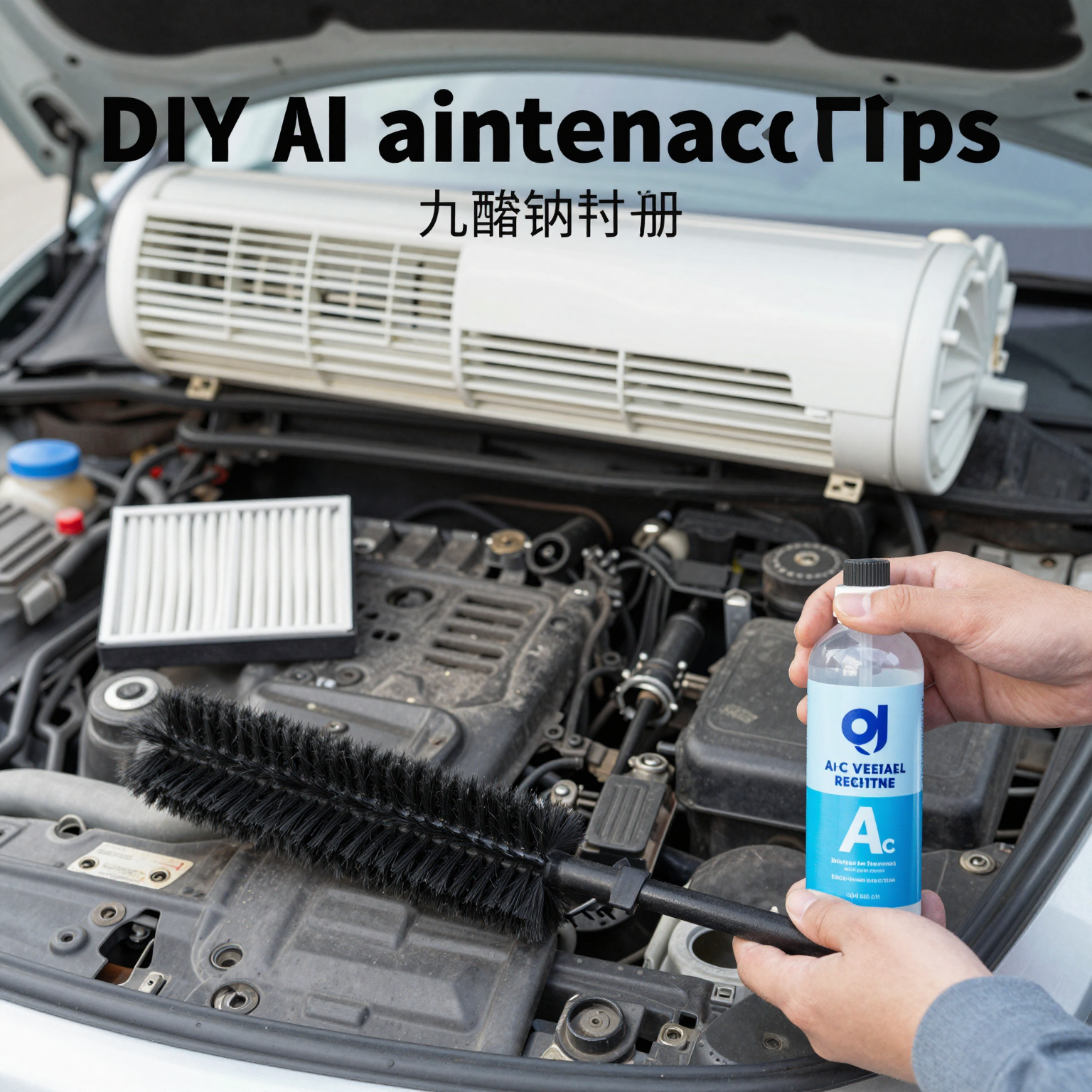
Maintaining your car’s air conditioning (AC) system between professional servicing can help ensure it runs efficiently and prolong its lifespan. Here are some actionable DIY maintenance tips:
1. Replace the Cabin Air Filter
- Frequency: Every 12,000 to 15,000 miles
- A clogged cabin air filter can restrict airflow and reduce cooling efficiency. Replacing it improves air quality and ensures optimal performance.
2. Clean the Condenser
- Frequency: Every 3-6 months or monthly in dusty conditions
- Use a soft brush to carefully clean the condenser fins and remove debris. This ensures the system can release heat effectively.
3. Run AC in Cooler Months
- Frequency: Monthly for 15-20 minutes
- Even when the weather is cool, running the AC helps keep the system lubricated and prevents seal degradation.
4. Inspect for Leaks
- Regularly check for visible moisture, oil stains, or hissing sounds around AC components. Early identification of leaks can save on costly repairs later.
5. Use an AC System Cleaner
- Apply a dedicated AC cleaner through the vents to flush out contaminants and prevent mold or mildew, especially if you notice a foul odor.
Visual Guide
Summary of Maintenance Frequencies
| Maintenance Task | Recommended Frequency | Notes |
|---|---|---|
| Cabin Air Filter Replacement | Every 12,000-15,000 miles | Varies by driving conditions; more frequent in dusty areas. |
| Condenser Cleaning | Every 3-6 months (or monthly) | Especially important in hot climates or after driving in dusty areas. |
| Running AC in Cooler Months | Monthly for 15-20 minutes | Prevents refrigerant system seal degradation and lubricant drying. |
These simple steps not only help maintain your AC but can also lead to energy savings and a more comfortable driving experience. For more tips on car servicing, check here!
Essential Tools Required for Servicing Auto Air Conditioners
Servicing an auto air conditioner (A/C) is essential for maintaining comfort in your vehicle throughout the year. Whether you’re a DIY enthusiast or a professional technician, having the right tools is crucial to ensure effective maintenance and repairs. Below are the essential tools necessary for servicing an auto A/C system, along with their uses.
1. Manifold Gauge Set
- Usage: This tool measures the pressure in both the high and low sides of the A/C system. It’s critical for diagnosing system issues and determining if the refrigerant level is correct.
2. Refrigerant Recovery Machine
- Usage: A recovery machine is essential for safely removing refrigerants from the A/C system, especially for compliance with environmental regulations. It captures the refrigerant for recycling instead of releasing it into the atmosphere.
3. Vacuum Pump
- Usage: A vacuum pump is used to evacuate moisture and air from the A/C system. This step is crucial in preventing damage and ensuring efficient operation by removing contaminants before adding refrigerant.
4. Refrigerant Charging Scale
- Usage: This scale allows technicians to accurately measure the amount of refrigerant being added to the system. Precise charging is vital for optimal A/C performance.
5. Leak Detection Kit
- Usage: Leak detectors help identify leaks within the A/C system. These can include UV dye kits or electronic sniffers that pinpoint areas where refrigerant may be escaping.
6. Service Ports and Adaptors
- Usage: These fittings are necessary to connect the manifold gauge set and other tools to various vehicle models. They ensure compatibility and proper connection to the A/C system.
7. Protective Gear
- Usage: Personal protective equipment (PPE) such as gloves and safety glasses is crucial for the safety of the technician while handling refrigerants and operating machinery.
Conclusion
Being well-equipped with these tools ensures a smooth and professional A/C service experience, whether at home or in a shop setting. Regular servicing not only improves the lifespan of your vehicle’s A/C system but also enhances the overall driving experience.
For those interested in exploring more about classic cars, check out our nostalgia-filled experiences that celebrate automotive history.
References
- ACDelco. Essential Tools for Automotive Air Conditioning Service
- Car Care Kiosk. Top 7 Tools You Need to Service an Auto AC System
Comparing DIY and Professional Auto AC Servicing
When it comes to servicing your vehicle’s air conditioning, car owners often find themselves at a crossroads between opting for a DIY approach or hiring a professional. Each method has its benefits and drawbacks regarding cost, time, and quality.
Cost:
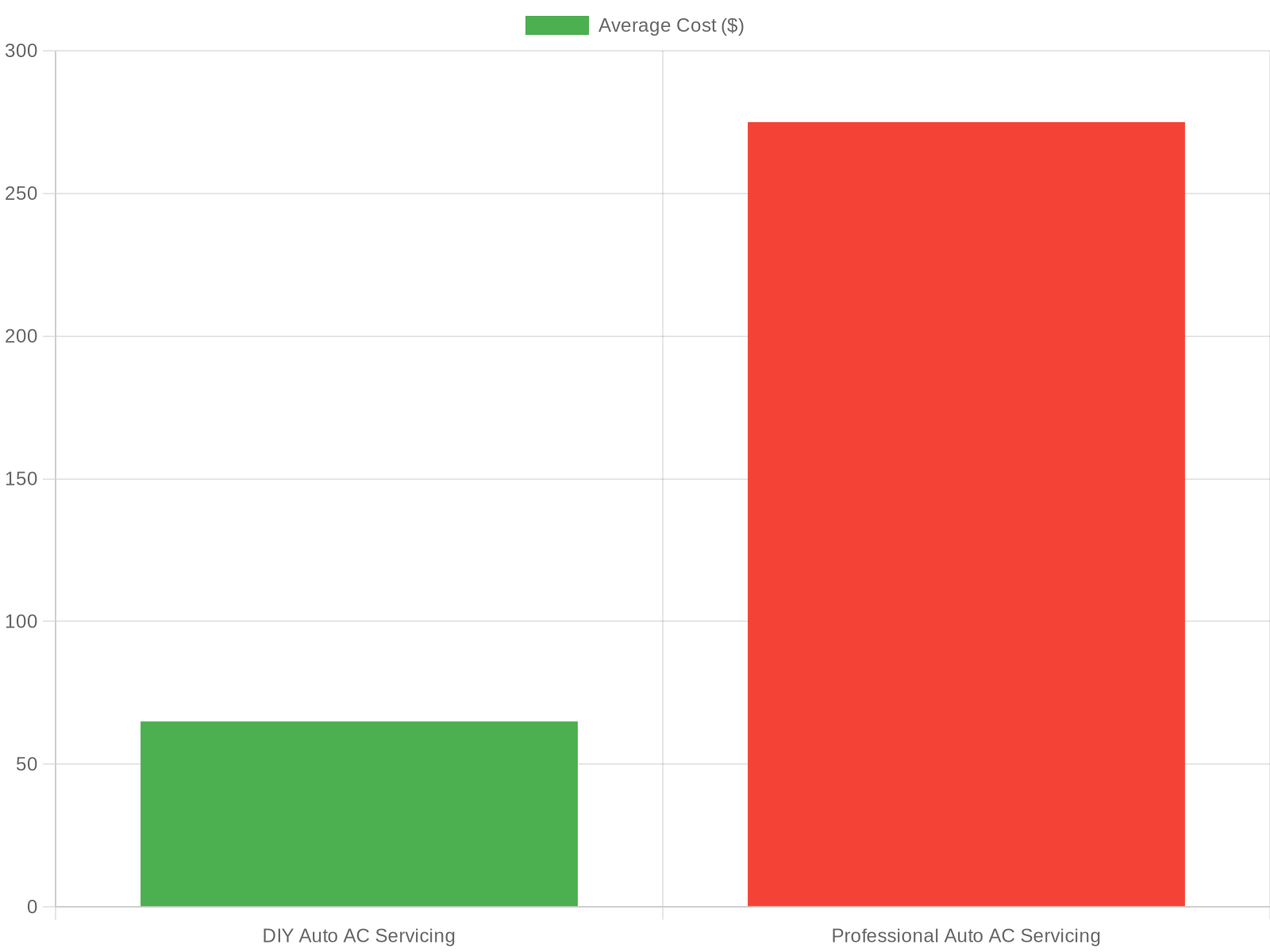
- DIY: The average cost ranges from $30 to $100 depending on the refrigerant and tools required.
- Professional: Typically costs between $150 and $400, which includes labor and diagnostics.
Time:
- DIY: Estimated to take about 3 to 8 hours, depending on the complexity of the issue.
- Professional: Generally completed in 2 to 3 hours, including diagnostics.
Quality:
- DIY: Quality can be variable; requires a higher skill level and some experience.
- Professional: Guaranteed quality with diagnostic checks to prevent future issues.
Conclusion
While DIY servicing may seem cost-effective initially, the benefits of professional services, including quality assurance and time savings, often outweigh the savings. Additionally, professional technicians have the necessary tools and expertise to handle complex AC issues safely.
For further insight, you can read more about auto repair services here and explore DIY tips for car maintenance here.
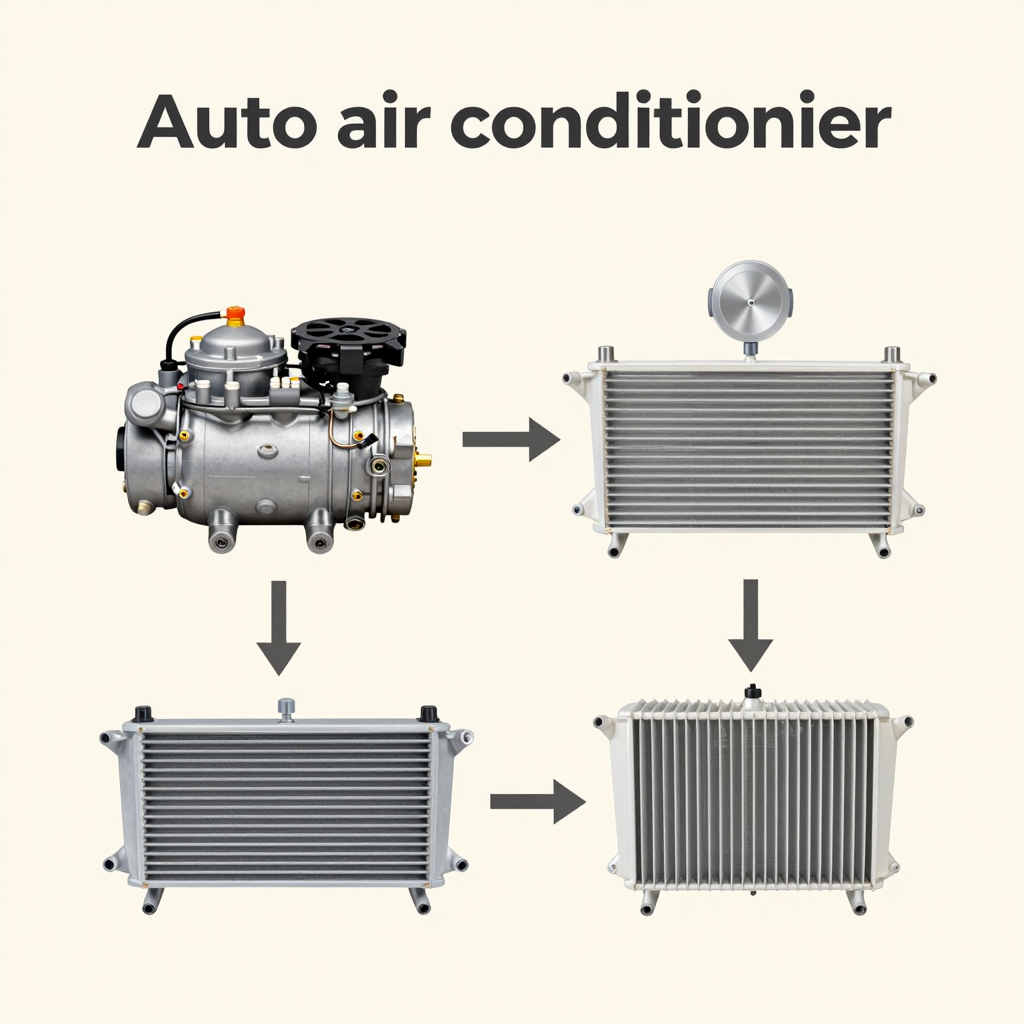
| AC Part | Function |
|---|---|
| Compressor | Pressurizes the refrigerant and circulates it through the system. |
| Condenser | Dissipates heat from the high-pressure refrigerant, converting it into a liquid. |
| Evaporator | Absorbs heat from the cabin air to cool it down within the vehicle. |
| Receiver/Drier | Removes moisture and debris from the refrigerant, preventing corrosion and maintaining efficiency. |
| Expansion Valve | Regulates the flow of refrigerant into the evaporator, allowing for heat exchange and cooling. |
| Refrigerant | The working fluid that undergoes phase changes (liquid to gas and vice versa) to transfer heat effectively. |
When servicing an auto air conditioning system, it’s crucial to understand the role of each component to ensure efficient operation and maintenance. Proper care of these parts will enhance the performance of your AC system, prolong its lifespan, and help avoid costly repairs. For more detailed information about car maintenance, consider checking out our article on auto service essentials or how to enhance your classic car performance.
The Importance of Regular AC Maintenance
“Neglecting AC maintenance can lead to reduced cooling efficiency, unpleasant odors, and even complete system failure.”
- Automotive experts at CarMD.com
Regular maintenance of your vehicle’s air conditioning system is not just a matter of comfort; it significantly impacts the overall performance and reliability of your vehicle. As emphasized by experts from CarMD, maintaining your AC can prevent various issues, including refrigerant leaks and system failures, ensuring that your vehicle operates at peak efficiency.
An often-overlooked aspect of vehicle care, regular AC servicing is crucial, especially as the temperature rises. Neglecting this can lead to reduced effectiveness in cooling, which is essential for driver alertness and passenger comfort. Moreover, a failing AC system can distract a driver during critical driving situations, posing a safety risk. Automotive professionals recommend having your AC system inspected annually, with regular recharging every 2-3 years to avoid costly repairs and maintain efficiency.
In addition to safety and comfort, regular AC maintenance can extend the lifespan of the entire HVAC system. A well-maintained air conditioning unit functions more efficiently, using less energy and improving fuel efficiency over time. Therefore, it is wise for all car owners-whether private vehicle owners or fleet operators-to prioritize AC maintenance as part of their routine vehicle maintenance schedule. Learn more about the benefits of effective auto services here and take the first step toward enhancing your vehicle’s performance!
Environmental Considerations for Auto Air Conditioner Servicing
When it comes to servicing automotive air conditioning (AC) systems, environmental considerations play a critical role. The components involved, notably refrigerants, can significantly impact climate change if not managed correctly.
Refrigerant Types and Impacts
Automotive AC systems commonly utilize refrigerants such as Hydrofluorocarbons (HFCs), notably R-134a and the newer R-1234yf. While R-134a is efficiently cools, it has a high Global Warming Potential (GWP), meaning that its release into the atmosphere can lead to increased greenhouse gas emissions. The introduction of R-1234yf was aimed at reducing this impact; however, it still poses challenges in terms of leakage and disposal.
**Key Statistics:
**
- The GWP of R-134a is approximately 1,430, whereas R-1234yf has a GWP of around 4, indicating a significant improvement, but still a concern for environmental sustainability.
Proper Disposal of Refrigerants
The disposal of refrigerants is governed by strict regulations designed to minimize environmental harm. The U.S. Environmental Protection Agency (EPA) enforces the American Innovation and Manufacturing (AIM) Act, mandating compliance for systems with 15 pounds or more of HFCs. Facilities must track refrigerant usage and ensure proper disposal through certified technicians. Direct release into the atmosphere is prohibited, and violations can result in severe penalties.
In addition, many states, such as California, have implemented specific programs like the R4 Program, which requires manufacturers to use a percentage of certified recycled refrigerants in their systems. These measures not only help in reducing the carbon footprint but also foster a more sustainable approach to cooling technology.
Environmental Laws and Regulations
Key regulations affecting AC servicing include:
- EPA’s Refrigerant Management and Disposal Guidelines: These require that all technicians handling refrigerants are certified and follow stringent recovery and recycling practices. Learn more about EPA guidelines here.
- California’s R4 Program: This local initiative pushes for increased recycling of refrigerants in accordance with state laws, ensuring that more than 10% of refrigerants used by manufacturers are recycled. Find details on California’s regulations here.
- EU F-Gas Regulation: Similar laws exist internationally that control the use of HFCs and aim to phase down their presence in new vehicles.
In summary, when servicing auto air conditioners, the focus should not only be on efficiency and comfort but also on compliance with environmental laws and responsible handling of refrigerants. This not only mitigates negative impacts on the environment but also aligns with global efforts to combat climate change.
Conclusion: Invest in Quality with Summit Fairings
As we’ve explored the importance of servicing your auto air conditioner, it’s worth noting that investing in quality components can extend beyond your car. If you own a motorcycle, ensuring exceptional performance and aesthetics is crucial, and this is where Summit Fairings steps in.
Investing in high-quality motorcycle fairings not only enhances the visual appeal of your ride but also provides significant advantages for safety and durability. Quality fairings protect vital engine components from debris and impacts, significantly reducing repair costs over time. Furthermore, they are designed with aerodynamics in mind, improving your motorcycle’s handling and fuel efficiency. As highlighted in a review from Motorcycle.com, premium fairings can lead to reduced wind resistance and increased comfort during long rides.
Summit Fairings stands out in the crowded market by delivering top-notch products made from durable materials. Customers consistently praise their fairings for precision engineering and aesthetic appeal, as evidenced by a recent Trustpilot review, where users noted the exceptional quality and perfect fit of their fairings, enhancing both style and performance on the road.
By choosing Summit Fairings, you not only invest in the safety and longevity of your motorcycle but also enhance its overall riding experience. Don’t settle for anything less; visit Summit Fairings today and transform your ride with fairings that offer superior protection and a stunning look!

How to Service an Auto Air Conditioner
Servicing your auto air conditioning system ensures optimal performance, especially during hot months. This guide outlines essential steps to maintain your vehicle’s AC unit, making it suitable for private car owners, small business fleet operators, and auto repair shops alike.

Steps for Servicing Your Auto Air Conditioner
- Inspect for Leaks: Check hoses and seals for any signs of leakage. Air conditioning dye can help identify leaks that are not easily visible.
- Check the AC Refrigerant Level: Use a gauge to ensure the refrigerant is at the right level.
- Replace the Cabin Air Filter: A dirty filter reduces airflow and decreases efficiency.
- Test the Temperature: Use a thermometer to ensure the AC is blowing at the required temperature.
Recharge Your Auto Air Conditioning System
When the refrigerant levels are low, you may need to recharge your system. This process involves adding refrigerant to restore optimal functioning. Make sure to follow the manufacturer’s guidelines for your specific vehicle model.
Tools Needed
- AC recovery machine
- Refrigerant
- Gauges
- Screwdrivers
- Wrench set
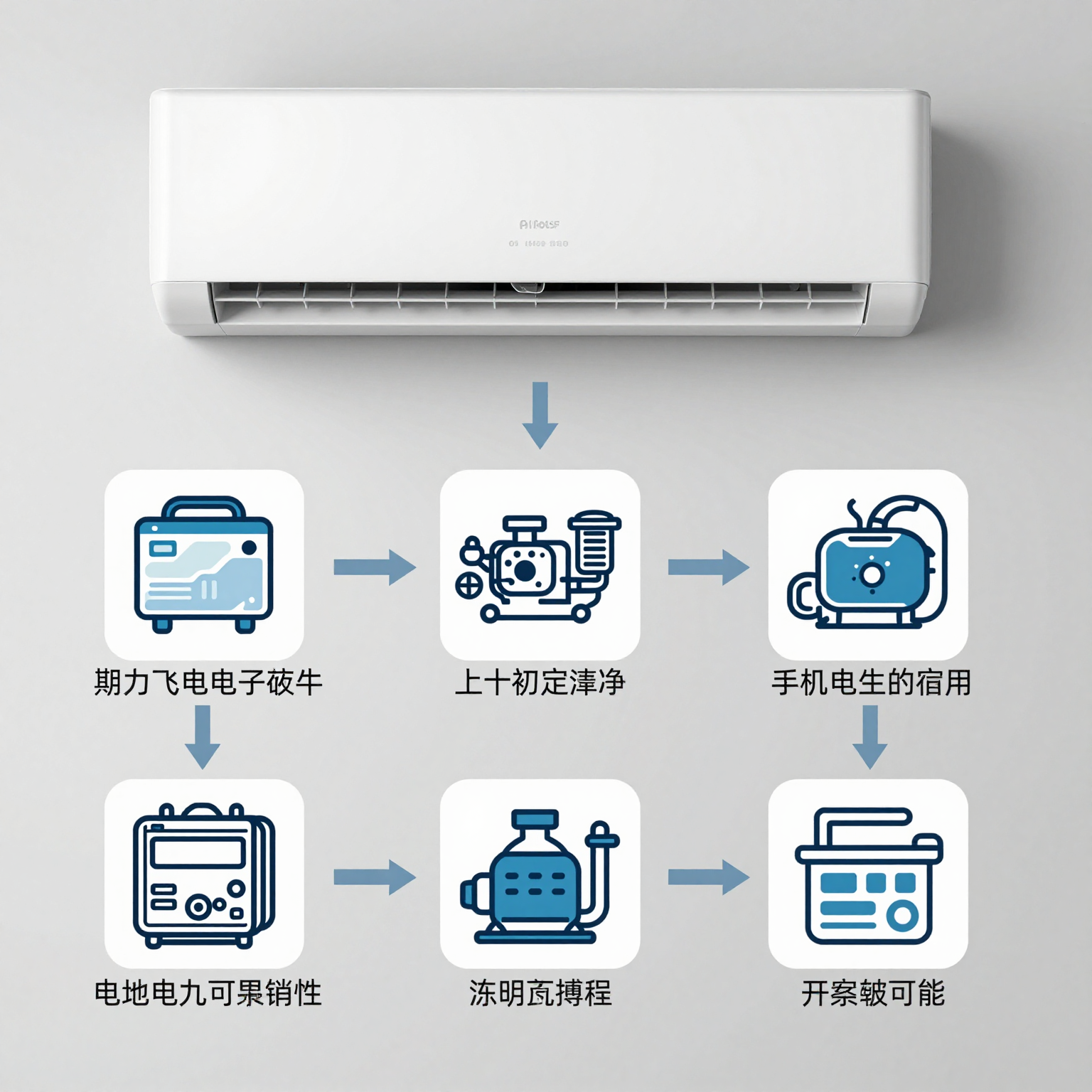
For more detailed information on vehicle maintenance, learn more about car auto repair services.