
Introduction
Servicing the auto transmission is an essential aspect of vehicle maintenance that many car owners often overlook, yet it plays a pivotal role in the overall performance and longevity of their vehicles. A well-maintained transmission ensures smoother gear changes, enhances fuel efficiency, and significantly reduces the likelihood of costly repairs down the line. In this article, readers will learn how to effectively service their auto transmission, understanding vital practices such as transmission fluid checks, filter replacements, and the importance of regular transmission maintenance. Whether you are a private car owner wanting to prolong the life of your vehicle or a small business fleet operator seeking to optimize your operations, knowing how to service your auto transmission can lead to remarkable benefits. With the right knowledge and tools, anyone can manage their transmission service with confidence, avoiding unnecessary trips to auto repair shops and saving on potential repair costs. Join us as we explore the best practices and essential tips for maintaining an efficient auto transmission system, ensuring that every drive remains smooth, safe, and reliable.
For more resources on auto repair, visit our guide on car auto repair services. Discover how to keep your vehicle in top condition and explore additional topics related to classic vehicles at Old Car City: The World’s Largest Classic Car Museum.
Common Auto Transmission Issues
Auto transmission issues can be a significant concern for both private car owners and small business fleet operators. Understanding these issues, along with their causes, is crucial for ensuring the longevity of vehicles and minimizing repair costs. Here are some common auto transmission issues:
1. Delayed Shifting
This refers to the hesitation that occurs when an automatic transmission is slow to change gears. Drivers may experience a lag in acceleration during this time.
Causes: Often caused by low or dirty transmission fluid, which hampers the internal hydraulic systems necessary for shifting. Electrical problems, including faulty sensors, can also contribute to this issue.
2. Rough or Jerky Gear Changes
Drivers may notice harsh or clunky shifting while accelerating or decelerating, making rides uncomfortable.
Causes: This can result from degraded transmission fluid, which no longer provides adequate lubrication or cooling. Additionally, issues such as a failing torque converter may cause erratic gear engagement.
3. Transmission Fluid Leaks
Puddles of red fluid under the vehicle often indicate a leak from the transmission.
Causes: Damaged seals or gaskets can create transmission fluid leaks. Additionally, excessive heat can cause the fluid to thin, leading to increased leakage around faulty components.
4. Slipping Gears
When a transmission unexpectedly shifts out of gear or fails to engage properly, this is referred to as slipping.
Causes: This issue is typically caused by worn-out clutch components, transmission bands needing adjustment, or a failing transmission control module.
5. Overheating
An overheated transmission may exhibit signs like a burning smell or warning lights on the dashboard.
Causes: Common culprits include overloading the vehicle, towing heavy loads, or driving in stop-and-go traffic. Poor cooling system performance can also contribute.
Understanding these common auto transmission issues is pivotal for maintaining vehicle performance. Regular transmission maintenance, as outlined in this guide to servicing auto transmission, can help mitigate these problems.
Signs of Transmission Problems
Transmission issues can severely impact your vehicle’s performance and safety. It’s crucial for car owners, fleet operators, and dealerships to be aware of the signs of transmission failure to address problems before they escalate. Here are some common indicators:
- Delayed Gear Engagement: If you notice a delay in gears engaging when shifting from park to drive or reverse, it may indicate an underlying problem.
- Rough or Jerky Shifts: Feelings of clunking or hesitation when shifting gears can signal a malfunctioning transmission.
- Slipping Gears: This occurs when the engine revs, but the car does not accelerate as expected, often caused by low or degraded transmission fluid.
- Unusual Noises: Grinding, whining, or clunking noises during shifts can indicate serious issues that require immediate attention.
- Fluid Leaks: Red or brown puddles under your vehicle are signs of leaking transmission fluid, which can lead to severe damage if not addressed.
- Burning Smell: A burnt odor is often linked to overheated transmission fluid, which can result from inadequate fluid levels or old fluid.
Ignoring these signs can lead to complete transmission failure, resulting in costly repairs. Regular maintenance, including checking transmission fluid levels, is essential for car longevity. For more insights, check out this helpful guide on transmission servicing.
By maintaining awareness of these symptoms, you can ensure timely servicing and extend the life of your vehicle’s transmission.
Understanding Transmission Fluid Types
Choosing the right transmission fluid is crucial for servicing your auto transmission. Different types have varying properties, applications, and advantages that can impact vehicle performance and longevity. Below, we provide a detailed comparison of various transmission fluid types:
| Type of Transmission Fluid | Viscosity | Application | Advantages |
|---|---|---|---|
| Conventional Transmission Fluid | Typically 5W-30, 5W-40, or 10W-40 | Automatic transmissions (AT), some manual transmissions | Lower cost, adequate performance under normal driving conditions, widely available |
| Synthetic Blend Transmission Fluid | Usually 5W-30, 5W-40, or 75W-90 | Automatic transmissions (AT), some dual-clutch transmissions (DCT), light-duty manual transmissions | Improved high-temperature stability, better cold-start performance than conventional fluids, longer service life |
| Full Synthetic Transmission Fluid | Commonly 5W-30, 5W-40, 75W-80, or 75W-90 | High-performance automatic transmissions (AT), DCTs, CVTs, EVs with e-transmissions | Superior thermal and oxidation stability, extended drain intervals, improved fuel efficiency, enhanced protection under extreme temperatures and loads |
| Dual-Clutch Transmission (DCT) Fluid | Typically 75W-80, 75W-90, or specific OEM grades | DCTs in performance and compact vehicles | Optimized for rapid gear shifts, excellent friction control to prevent clutch slippage, high shear stability, designed for high heat generated by DCT systems |
Note: Viscosity ratings are representative examples; exact specifications depend on vehicle manufacturer and model. Always refer to the vehicle’s owner manual for the recommended fluid type and viscosity.
Conclusion
Understanding the differences between transmission fluid types can greatly enhance your vehicle’s performance and maintenance. For more information on servicing auto transmissions, visit our automotive services.
For a visual representation, see the chart below showing a comparison of transmission fluid viscosities.
How to Check Your Transmission Fluid Level
Checking your transmission fluid is a vital part of maintaining your vehicle’s health. Transmission fluid lubricates the moving parts within the transmission and keeps the system operating smoothly, preventing overheating and ensuring optimal performance. Regular checks can help you catch potential issues before they become serious problems, which is particularly important for private car owners and small business fleet operators.
Steps to Check Transmission Fluid:
- Prepare Your Vehicle:
- Park your car on a level surface and set the parking brake.
- Start the engine and let it warm up for a few minutes to ensure the fluid is circulating properly.
- Locate the Dipstick:
- Open the hood and locate the transmission fluid dipstick, which is often labeled for easy identification.
- Check the Fluid Level:
- Remove the dipstick, wipe it clean, and reinsert it fully.
- Pull it out again to see the fluid level. There should be markings indicating minimum and maximum levels.
- Assess the Fluid Condition:
- The fluid should be a clear red color. If it looks brown or has a burnt smell, it may need to be replaced.
- Add Fluid if Necessary:
- If the level is low, add the appropriate type of transmission fluid through the dipstick tube, using a funnel to avoid spills.
By following these steps, you ensure that your transmission remains in good working order. For a visual demonstration, here’s an image of a transmission fluid dipstick to help you understand what to look for:
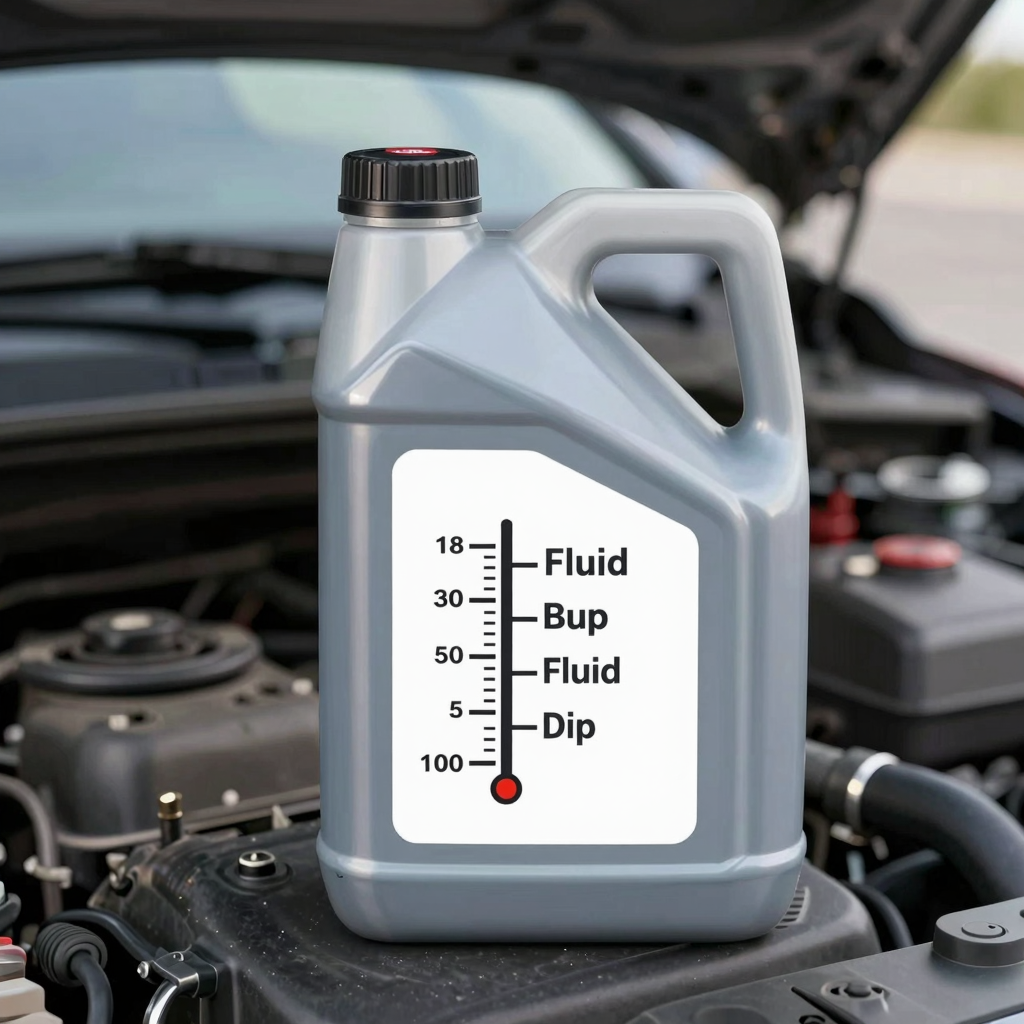
Regular maintenance, including checking your transmission fluid, is essential for enhancing longevity and ensuring your vehicle continues to perform at its best. For additional information on automotive servicing, feel free to check out our services or learn more about proper vehicle care.
Transmission Servicing Process
Servicing an auto transmission is a crucial part of vehicle maintenance that ensures longevity and proper functioning. It involves several comprehensive steps, important tools, safety precautions, and useful tips for both private car owners and auto repair shops. Below are the detailed steps involved in servicing auto transmission:
Steps for Servicing Auto Transmission
- Preparation: Start by parking your vehicle on a level surface and engaging the parking brake. Ensure the engine is off and transmission fluid is cool to the touch.
- Gather Tools: Essential tools for this process include:
- A set of socket wrenches
- Torque wrench
- Fluid catch pan
- Funnel
- New transmission filter and gasket
- Transmission fluid pump
- Safety glasses and gloves
- Drain the Old Fluid: Locate the transmission drain plug and use a socket wrench to remove it. Drain all fluid into the fluid catch pan. This is a critical step to prevent contamination during the servicing process.
- Remove the Transmission Pan: Unscrew the bolts securing the transmission pan using the socket wrench. Carefully remove the pan and clean the magnet and inside surfaces to eliminate any debris or metal shavings.
- Replace Filter and Gasket: Install a new filter and apply a new gasket to prevent leaks. This ensures that contaminants do not enter the transmission.
- Reassemble: Replace the transmission pan, ensuring that all bolts are tightened appropriately using a torque wrench to the manufacturer’s specifications.
- Refill Fluid: Using a funnel, refill the transmission with the manufacturer-recommended Automatic Transmission Fluid (ATF), ensuring not to overfill, which can lead to operational issues.
- Check Levels: After running the engine for a few minutes, check the fluid level again and add more fluid if necessary.
- Diagnostic Check: For auto repair shops, use a scan tool to check the transmission for any stored codes or issues before completing the service.
Safety Precautions
- Always wear safety glasses and gloves to protect from spills and sharp edges.
- Ensure the vehicle is secured and never work under a vehicle that is only supported by a jack.
- Always follow the vehicle’s service manual to avoid potential damage.
Tips for Private Car Owners
- Regularly monitor your vehicle’s transmission fluid levels and check for discoloration or burnt smell, indicating it needs servicing.
- Follow the manufacturer’s recommended service intervals, typically every 60,000 to 100,000 miles.
Tips for Auto Repair Shops
- Implement a standardized inspection checklist to ensure thorough servicing.
- Utilize OEM (Original Equipment Manufacturer) fluids and components to maintain quality and reliability.
Conclusion
Servicing auto transmission not only enhances driving performance but also extends the life of the transmission system. For more insights on vehicle maintenance, learn more about servicing auto transmission. Additionally, following best practices can help avoid costly repairs in the future.
How to Service Auto Transmission
Maintaining your vehicle’s transmission is crucial for ensuring its longevity and optimal performance. Regular transmission service can help prevent major repairs, saving you considerable time and money down the line. Here are some essential steps to consider when servicing your automatic transmission:
1. Check Transmission Fluid Levels
Regularly inspect your transmission fluid level. Low fluid levels can lead to poor shifting and potential transmission failure.
2. Fluid Changes
It’s typically recommended to change your transmission fluid every 30,000 to 60,000 miles, depending on your vehicle and driving habits. This helps remove contaminants and ensures smooth operation.
3. Replace the Filter
Many transmissions have filters that need to be replaced during fluid changes. A clean filter helps the fluid stay free from debris that can cause wear and tear on internal components.
4. Regular Checks
Don’t just wait until you notice problems. Make it a habit to have your transmission evaluated at regular intervals. This preventive approach can catch potential issues before they escalate into significant problems.
Blockquote from an Expert
“Not performing regular oil and checks accelerates the wear on internal parts of the transmission, ultimately leading to expensive repairs or replacements.” – An experienced transmission technician with over 15 years of experience. For more insights, you can visit CarMD.
5. Look for Warning Signs
Watch for any signs of trouble, such as grinding noises, slipping gears, or dashboard warning lights. If you notice any of these, it’s time to consult a professional.
Regular maintenance not only enhances the performance of your vehicle but also contributes to safety on the road. By being diligent about transmission care, you extend the life of your vehicle’s transmission and enjoy a smoother driving experience.
DIY Tips for Auto Transmission Service
Servicing your car’s auto transmission at home can save you money and give you a sense of accomplishment. Here are easy-to-follow steps for a basic transmission service, along with important warnings to ensure your safety and the correct functioning of your vehicle.
Safety First
- Preparation is Key: Make sure to park your vehicle on a flat, level surface and turn off the engine. Engaging the parking brake is crucial to prevent any movement while you work.
- Wear Proper Gear: Before starting, always wear protective gloves and eyewear to keep yourself safe from spills or sharp objects.
- Cool Down: Allow the transmission to cool completely before working on it. Hot fluid can lead to serious burns.
Step-by-Step Instructions
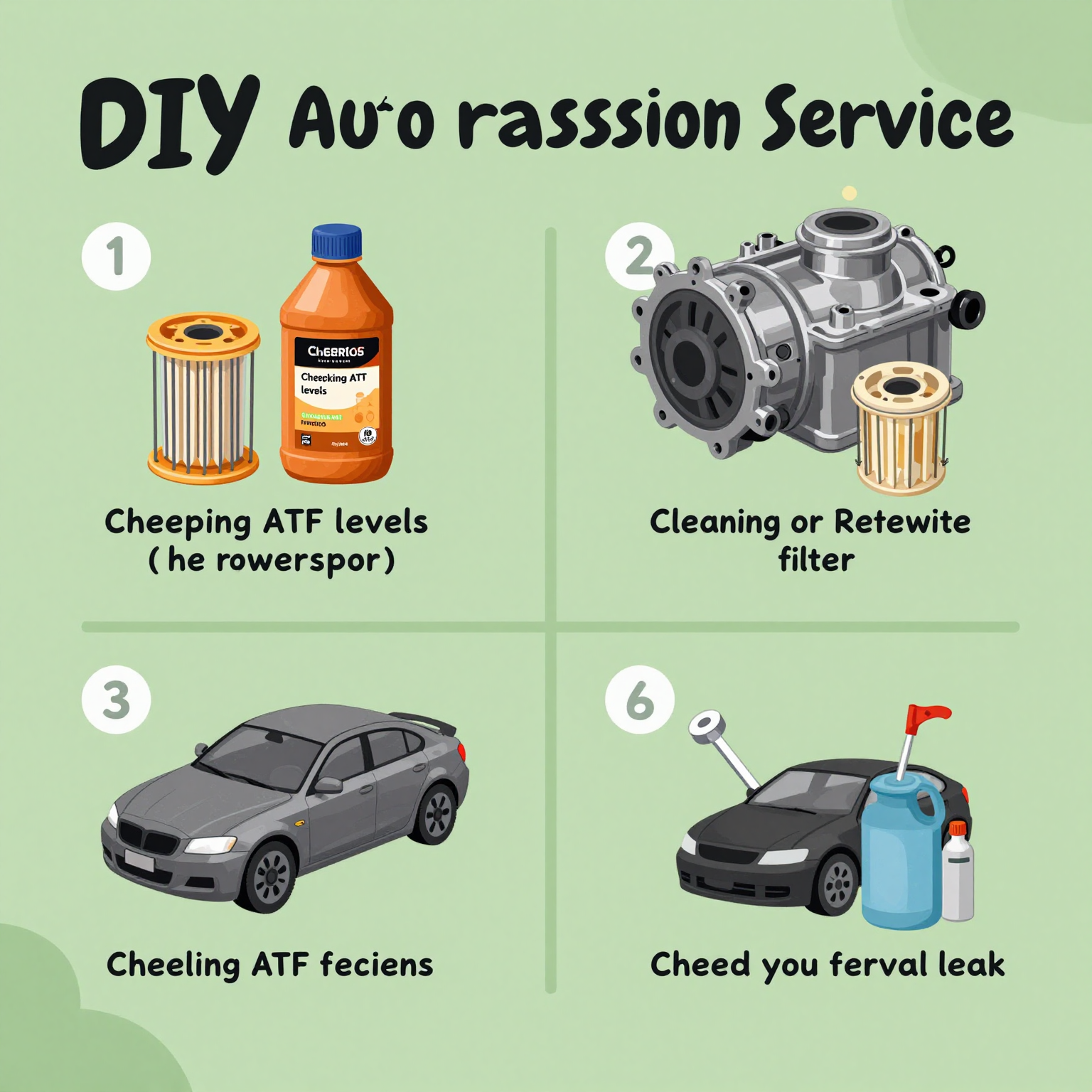
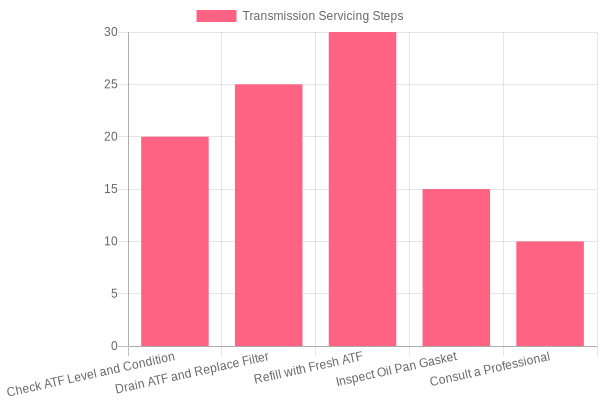
1. Check Automatic Transmission Fluid (ATF) Level and Condition
- Tools Needed: Dipstick (if equipped) and clean rag.
- Instructions:
- Start the engine for about 10-15 minutes to warm up the transmission fluid.
- Park on a flat surface and keep the engine running.
- Pull out the dipstick, wipe it clean, then insert it back and retrieve it again.
- Check if the fluid level is between the “MIN” and “MAX” marks. If it’s low, add the correct ATF type as per your owner’s manual.
- Inspect the fluid’s color and smell:
- Good fluid looks clear red or pink, while dark brown or black suggests it needs replacing.
Warning: If the fluid smells burnt or contains metal particles, further inspection by a professional is recommended.
2. Drain and Replace the Filter
- Tools Needed: Wrench set, new filter and gasket, funnel, drain pan.
- Instructions:
- Place the drain pan under the transmission.
- Remove the bolts of the oil pan with a wrench.
- Lower the oil pan to drain the fluid completely.
- Replace the old filter and clean the oil pan before reassembly. Ensure you have a new gasket to prevent leaks.
3. Refill with Fresh ATF
- Instructions:
- Using a funnel, refill the ATF through the dipstick tube or designated fill port.
- Check the fluid level again once you finish to avoid overfilling.
4. Inspect the Oil Pan Gasket for Leaks
- Instructions:
- After reassembly, check around the new gasket for leaks.
- A badly worn gasket must be replaced to avoid any future fluid leaks.
5. Know When to Call an Expert
While many tasks can be done DIY, do not hesitate to consult a professional if:
- You experience transmission slipping or unusual noises.
- If you notice excessive fluid leaks that you can’t track down.
- The “Check Engine” light is illuminated, or you experience erratic shifting problems.
By maintaining your auto transmission with these simple steps, you can ensure longevity and reliability. For an extensive guide on enhancing your automotive skills, be sure to explore more here!
Benefits of Regular Transmission Service
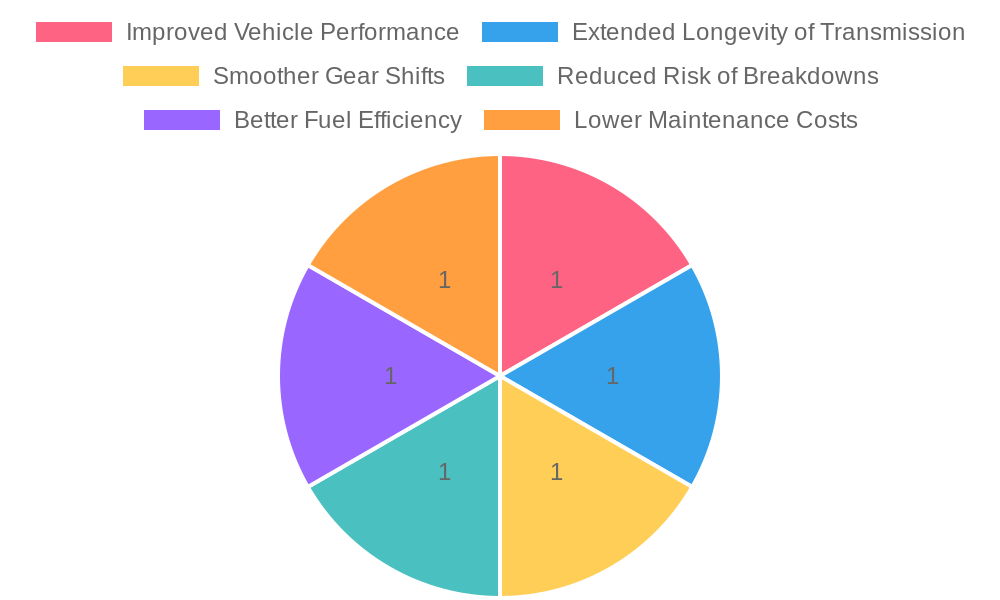
Maintaining your vehicle’s transmission is essential for ensuring that it operates smoothly and efficiently. Regular transmission service offers numerous long-term benefits, some of which are illustrated in the chart below:
Key Benefits:
-
Improved Vehicle Performance: Regular transmission service optimizes power delivery and responsiveness by keeping fluid levels and conditions at their best. This enhancement leads to better handling and acceleration.
-
Extended Longevity of Transmission: Preventative measures taken during regular service significantly increase the lifespan of your transmission system by avoiding premature wear and tear.
-
Smoother Gear Shifts: Clean, well-maintained transmission fluid allows for seamless and consistent gear shifting, enhancing your driving experience.
-
Reduced Risk of Breakdowns: Identifying and resolving issues early can prevent costly and inconvenient breakdowns, ensuring your vehicle remains reliable.
-
Better Fuel Efficiency: A properly functioning transmission reduces engine strain, resulting in improved mileage and lower fuel consumption, which can save money in the long run.
-
Lower Maintenance Costs: Regular maintenance can help you avoid expensive repairs or complete transmission replacement, making it a wise investment for any car owner.
For more in-depth tips and maintenance guidelines, you can learn more about transmission care and ensure your vehicle remains in top shape.
Conclusion: The Importance of Regular Auto Transmission Servicing
In conclusion, servicing auto transmissions is not just a petty task; it is a vital aspect of vehicle maintenance that significantly impacts performance, longevity, and safety. Throughout the article, we’ve uncovered the essential steps involved in servicing an automatic transmission, including routine fluid checks, filter replacements, and the importance of adhering to the manufacturer’s service intervals. Neglecting these areas can lead to severe repercussions, including costly repairs and compromised performance.
Key Benefits of Transmission Servicing
Multiple studies have reiterated the importance of regular transmission maintenance. According to AutoMD, timely inspections can help identify minor issues, such as leaks or worn components, before they escalate into catastrophic failures. This preventive approach not only enhances driving safety but also optimizes performance, thereby maintaining smoother gear shifts and improving fuel efficiency.
As indicated by AAA North Carolina, the transmission fluid acts as a lubricant, coolant, and hydraulic medium. Over time, the degradation and accumulation of contaminants in the fluid can severely compromise the effectiveness of transmission operations. Regular servicing helps to remove debris and sludge, preserving the fluid’s integrity for optimal system pressure.
Moreover, proper maintenance can significantly extend the lifespan of the transmission. As highlighted by CarMD, following the manufacturer’s recommendations ensures that the correct Automatic Transmission Fluid (ATF) is used, which prevents overheating and minimizes wear on internal components. This proper care allows for improved fuel efficiency, smoother acceleration, and an overall enhanced driving experience.
Emphasizing the Role of Service Providers
Whether you are a private car owner, a small business fleet operator, or a dealership, partnering with reputable service providers like Veteran Auto can ensure your vehicle maintenance is performed with the highest standard. Their expert technicians understand the intricacies of auto transmissions and employ best practices to prolong your vehicle’s operational life.
In closing, the performance of your vehicle heavily depends on the care given to its transmission. Seeking regular maintenance can prevent situations where you find yourself facing extensive repair needs, saving both time and money down the line. Don’t risk the health of your vehicle on negligence. Schedule your auto transmission service today! Proper servicing can lead to enhanced vehicle performance, extending beyond just basic functionality and into delivering a superior driving experience.
Your Next Step
If you want to take your vehicle’s performance to the next level, consider giving Summit Fairings a visit. Integrating quality parts with a consistent service schedule can maximize your auto’s capabilities, allowing you to experience the full potential of your vehicle. Don’t delay-ensure your auto transmission is serviced regularly to keep your vehicle running smoothly and efficiently!
By prioritizing your auto transmission maintenance, you can revel in the peace of mind that comes with investing in the longevity and reliability of your vehicle.