
Understanding Auto Warranty Services: Essential Protection for Your Vehicle
Auto warranty services are pivotal for safeguarding both private car owners and businesses operating fleets. These services extend the financial protections against unexpected repair costs that typically arise after the manufacturer’s warranty expires. Generally, the standard warranty is limited to three years or 36,000 miles, leaving many drivers vulnerable to significant expenses for critical repairs. With extended auto warranties, car owners can secure coverage for a range of issues, including engine failures, transmission problems, and electrical system malfunctions. This not only alleviates the burden of potential out-of-pocket expenses but also instills a peace of mind that is invaluable for owners and operators alike.
For private car owners, investing in an auto warranty is an intelligent choice, especially for those who plan to keep their vehicles long-term. Beyond financial protection, these warranties often include additional benefits such as roadside assistance, rental car reimbursement, and 24/7 customer support.
On the other hand, fleet operators have a unique set of challenges, as managing multiple vehicles can lead to complexities and unpredictable maintenance costs. Here, auto warranty services serve as a strategic asset, ensuring that downtime due to repairs is minimized and that service interruptions do not impact overall business operations. Many providers offer customizable plans tailored to varying fleet sizes and budgets, making it easier for businesses to maintain operational efficiency.
In essence, the importance of auto warranty services cannot be overstated. They form an essential safety net, protecting against the inherent unpredictability of vehicle repairs while enhancing the ownership experience. If you want to explore how to enhance your driving experience even further, learn more about unique automotive experiences or discover the top fan-chosen luxury coupes that may be your next investment!
Common Types of Auto Warranties
Understanding the different types of auto warranties can help vehicle owners make informed decisions about coverage options. Here are the most common types of auto warranties:
-
Bumper-to-Bumper Warranty:
Often referred to as a comprehensive warranty, the bumper-to-bumper warranty covers almost every part of the vehicle from the front bumper to the rear. This warranty typically lasts for 3 to 5 years or 36,000 to 60,000 miles. It generally includes repairs and replacements for electrical systems, interior components, and engine parts, excluding normal wear items like tires and brake pads. This type of warranty is provided by the manufacturer and is very appealing to new car buyers. -
Powertrain Warranty:
This warranty covers the vehicle’s essential components related to its power and propulsion, including the engine, transmission, and drivetrain. Generally lasting 5 to 8 years or 60,000 to 100,000 miles, the powertrain warranty is critical for those concerned about major mechanical failures. It often lasts longer than the bumper-to-bumper warranty, providing extended peace of mind for vehicle owners. -
Emissions Warranty:
Required by law, the emissions warranty covers components that control a vehicle’s emissions. This warranty typically lasts for up to 8 years or 80,000 miles, ensuring that vehicles comply with environmental regulations. It’s an essential warranty to prevent costly repairs associated with emission control failures. -
Extended Warranty:
Also known as a service contract, this warranty offers additional coverage beyond the original warranty offered by the manufacturer. Coverage length and details can vary widely, depending on the provider and plan chosen. Extended warranties can cover a range of repairs, often tailored to meet the specific needs of the vehicle owner.
Understanding these warranty types can greatly influence purchasing decisions, offering clarity and security in car ownership. For more insights on warranty options, explore our comprehensive guide.
Benefits of Auto Warranty Services
Auto warranty services offer a multitude of advantages for both private car owners and small business fleet operators. These benefits can significantly impact the overall ownership experience by merging financial predictability with essential peace of mind.
Cost Savings
One of the primary advantages of having an auto warranty is the cost savings it provides. Warranty programs can save owners from unexpected repair costs, which can be substantial, especially for older vehicles or those nearing the end of their factory warranty.
According to recent surveys, 68% of respondents reported significant cost savings on repairs thanks to their warranties. For small businesses, this means a more predictable maintenance budget, allowing for better financial planning and health of the business. These warranties can also protect against major failures, which, if unplanned, can lead to costly downtime.
Peace of Mind
The second significant benefit is peace of mind. Knowing that a professional service can handle unexpected mechanical failures alleviates the stress associated with potential car troubles. A staggering 75% of consumers reported feeling more secure knowing they have a warranty.
Additionally, comprehensive warranty plans often cover critical systems like brakes and engines, further enhancing the owners’ confidence while driving. This assurance not only aids individuals but is also crucial for small businesses whose operations heavily depend on their vehicles.
Improved Resale Value
Beyond immediate savings and peace of mind, auto warranties can also contribute to increased vehicle resale value. A well-documented warranty history can make a vehicle more attractive to potential buyers, highlighting its exceptional maintenance.
In conclusion, leveraging auto warranty services can provide immense benefits, particularly in terms of cost savings and peace of mind. For more on how to choose the right warranty for your needs, learn more here.
Understanding Auto Warranty Adoption Statistics
The adoption of auto warranties has seen a significant increase among private car owners and small businesses, with 2023 marking pivotal changes in consumer behavior. According to Grand View Research, the global extended warranty market was valued at approximately $129.65 billion in 2022, and it is projected to grow substantially at a compound annual growth rate (CAGR) of 8.4%, reaching about $286.4 billion by 2032. This growth reflects rising consumer concerns regarding vehicle reliability and unforeseen repair costs.
Current Trends and Statistics
- Over 60% of new car owners opt for extended warranty services, largely motivated by fears of potential breakdowns of critical components like engines and transmissions after the standard warranty expires.
- In 2023, the auto sector has experienced a remarkable 7% rise in warranty enrollments for electric vehicles, driven by the high repair costs associated with components specific to EVs, including battery systems and electronic control units.
Furthermore, small businesses are increasingly recognizing the value of these services. The insurance industry report indicates that nearly 65% of small fleet operators are investing in extended warranties, helping them manage operating costs by mitigating the surprise expenses of vehicle repairs.
Benefits of Auto Warranties
- Financial Protection: Extended warranties can cover costly repair bills, offering peace of mind to both individual car owners and small business entities.
- Cost Management: By utilizing warranty services, businesses can predict and manage vehicle maintenance expenses more effectively.
- Increased Resale Value: Vehicles with active warranties are often more appealing to potential buyers, as they signify reliability and reduced future costs.
For a deeper understanding of auto warranty benefits, learn more about warranty services here.

Infographic illustrating auto warranty adoption trends and benefits.

Chart showcasing growth in the auto warranty market value from 2022 to 2032.
| Feature | Endurance | CarShield | ProtectMyCar | Carchex | Nationwide |
|---|---|---|---|---|---|
| Mechanical Breakdown Coverage | Yes (engine, transmission, drivetrain) | Yes (comprehensive coverage) | Yes (extensive coverage) | Yes (varies by plan) | Yes (standard & premium plans) |
| Routine Maintenance Coverage | Yes (oil changes, tire rotations) | No | Limited (some plans) | No | No |
| 24/7 Roadside Assistance | Yes (towing, jump-starts, etc.) | Yes (comprehensive service) | Yes (available) | Yes (included) | Yes (available) |
| Rental Car Reimbursement | Yes (up to $50/day, 15 days) | Yes (up to $50/day, 15 days) | Yes (up to $50/day, 15 days) | Yes (up to $35/day, 10 days) | Yes (up to $50/day, 15 days) |
| Deductible Options | $0, $100, $200, $500 | $0, $100, $200, $500 | $0, $100, $200, $500 | $0, $100, $200, $500 | $0, $100, $200, $500 |
| Average Annual Cost | $999 – $1,499 | $899 – $1,399 | $949 – $1,549 | $799 – $1,299 | $1,099 – $1,699 |
| Eligibility Requirements | Up to 10 years, 150,000 miles | Up to 10 years, 150,000 miles | Up to 10 years, 150,000 miles | Up to 10 years, 150,000 miles | Up to 10 years, 150,000 miles |
| Warranty Length | 1 to 5 years | 1 to 5 years | 1 to 5 years | 1 to 5 years | 1 to 5 years |
| Additional Perks | Add-ons available | Free vehicle inspection | Free inspections, mobile service | Free VIN check, tracking | Comprehensive support |
Data cited from recent warranty comparisons and expert evaluations.
For an in-depth look at auto warranties, consider this informative guide.
Explore more options by checking guides on auto warranties.
Limitations of Auto Warranties
While auto warranties provide significant benefits, they also come with notable limitations that car owners should be aware of. Understanding these downsides can help you make informed decisions regarding your vehicle’s coverage.
Common Exclusions
-
Wear-and-Tear Items: Most warranties do not cover parts that undergo regular wear, such as brake pads, tires, and windshield wipers. This means you will be responsible for replacing these items, which can be a significant ongoing cost.
-
Damage from Misuse or Accidents: Warranties typically exclude damage caused by accidents, misuse, or neglect. For instance, if your vehicle is involved in a collision or if you fail to follow the manufacturer’s maintenance schedule, you may find that your warranty is voided for related repairs.
-
Aftermarket Modifications: If you modify your vehicle with aftermarket parts, such as performance enhancements or special features, any damage resulting from these modifications may not be covered. Manufacturers often stipulate that unauthorized changes can void the warranty, making it crucial to review terms before making alterations.
Maintenance Requirements
Auto warranties often require strict adherence to maintenance schedules. Failing to provide proof of regular maintenance-usually conducted at authorized service centers-can result in denied claims. This means that some car owners may unknowingly void their warranties by neglecting routine service or opting for lower-cost, independent repair shops instead.
Limited Coverage Periods
Warranty coverage often has time limits, such as five years or a specific mileage cap (e.g., 60,000 miles). After this point, significant repairs may entirely fall on the owner’s shoulders. Extended warranties may extend coverage but often come with additional restrictions or requirements.
Hidden Costs
Extended warranties can seem appealing but often come with hidden fees and complex claim processes. Many plans include conditions that can make it difficult for the owner to receive the full benefits of the warranty. For example, a plan might require pre-approval for certain repairs or deny claims if any minor requirement isn’t met.
Conclusion
In conclusion, while auto warranties can offer peace of mind and protection against significant repair costs, it is essential for vehicle owners to fully understand their limitations. Reviewing the warranty terms and being aware of the exclusions can help you avoid unexpected expenses down the road. For further insights about auto warranty services and experiences, you might find it helpful to check out additional resources available on our site.
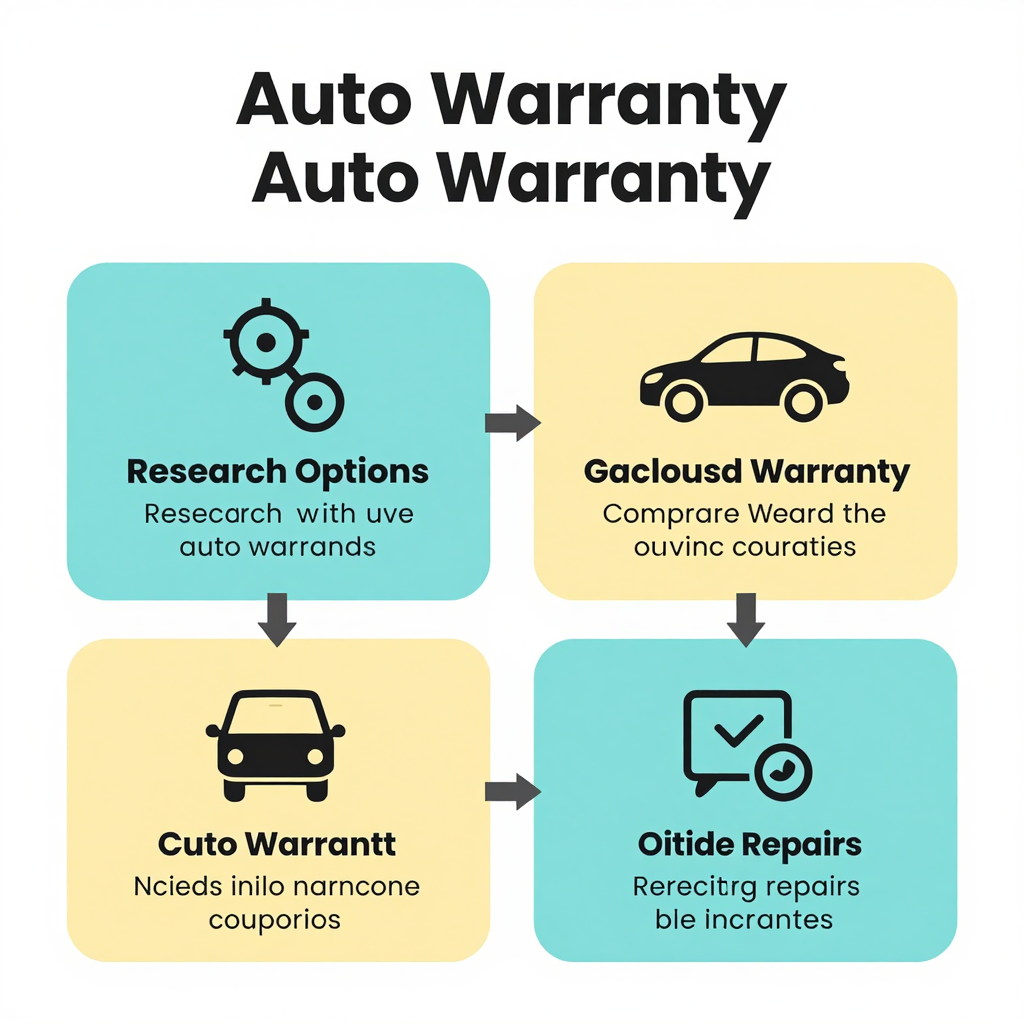
This infographic shows the process of acquiring and utilizing an auto warranty, designed to be clear and straightforward for private car owners and small business fleet operators. It includes steps like researching options, comparing warranties, purchasing a warranty, and utilizing it for repairs.
The Importance of Auto Warranty Services
“An extended warranty isn’t just about covering repairs-it’s about protecting your long-term investment in a vehicle. With average repair costs for major components like engines and transmissions exceeding $4,000, having a warranty can prevent catastrophic financial strain.”
– Dr. Elena Martinez, Automotive Finance Analyst at Global Auto Insights
Auto warranties serve as a critical financial safeguard for vehicle owners and can provide peace of mind, especially in challenging economic times. For further insights on how warranties can protect your investment, learn more about auto services.
In conclusion, auto warranty services play a vital role for private car owners, small business fleet operators, and automotive professionals alike. By providing extended protection against unexpected repair costs, these services enable car owners to enjoy a seamless driving experience without financial stress. According to recent insights, fleet operators reap the benefits of tailored plans, nationwide coverage, and 24/7 emergency assistance, thereby ensuring operational efficiency and reducing costly downtime. For dealerships and repair shops, the implementation of warranty services has transformed business models and significantly boosted customer retention rates-dealerships now see warranties contributing up to 18% of their service department’s revenue, fostering loyalty and repeat visits among clients.
As you consider the worth of auto warranty services, remember that investing in a comprehensive plan can help safeguard your vehicle and ensure peace of mind on the road. Summit Fairings offers a range of options tailored to meet diverse needs, backed by dependable customer service and nationwide support. Whether you are a private car owner, a small business owner managing a fleet, or an automobile professional, companion your journey with our exceptional coverage offerings.
Explore more about our warranty services and how they can protect your investment by visiting our website at Veteran Auto. Don’t wait for the unexpected-secure your vehicle today!
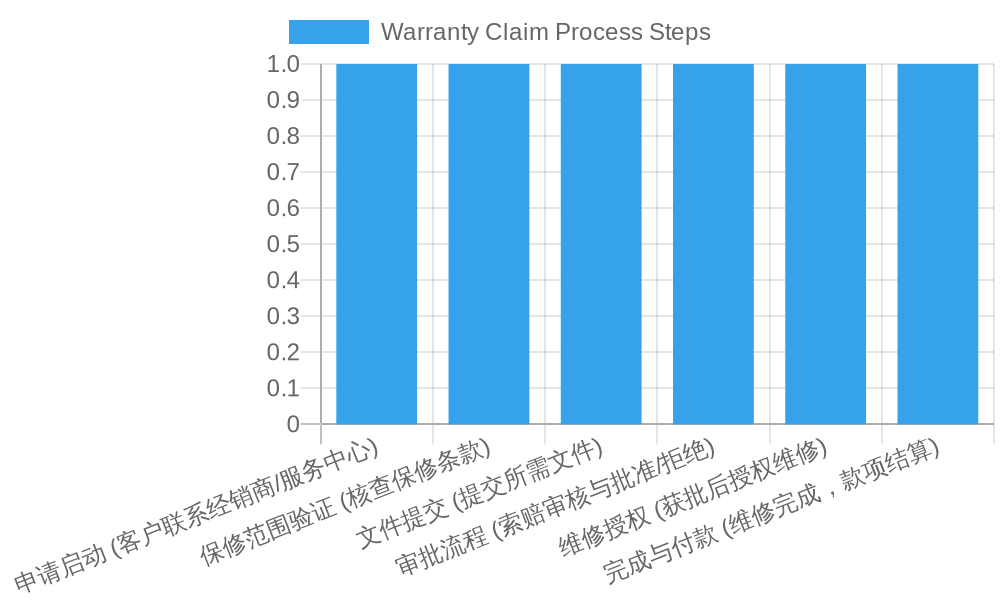
Vehicle Warranty Claim Process Steps:
- Claim Initiation (Customer contacts dealer/service center): The customer discovers an issue with the vehicle and contacts an authorized dealer or service center to submit a request for repair and initiate the warranty claim process.
- Verification of Coverage (Check warranty details): The service personnel verify whether the vehicle is still under warranty and if the issue is covered under the warranty terms (such as failed parts or non-collision damage).
- Documentation Submission (Submit required documents): The customer provides relevant documentation, including the purchase invoice, vehicle registration, repair records, and descriptions or photographic evidence of the issue.
- Approval Process (Claim reviewed and approved/rejected): The insurance company or manufacturer reviews the submitted materials to determine the validity of the claim and makes a decision to approve or reject.
- Repair Authorization (Once approved, authorize repairs): After approval, a repair order is generated within the system, authorizing the service center to perform the repairs at no charge to the customer.
- Completion and Payment (Repairs done, payment processed): Once the repairs are completed, the service information is recorded, and payment is processed from the manufacturer or insurance company directly to the service center.
This chart and outline provide a clear and structured view of the auto warranty claims process, making it easier for car owners and professionals in the industry to understand and manage warranty claims efficiently.
For more information on related topics, check out this guide on automotive warranty claims.