
Nestled in the heart of Georgia lies Old Car City, a colossal classic car junkyard and museum that captivates the hearts of automobile enthusiasts from around the globe. Spanning an impressive 34 acres, this unique destination houses over 4,000 classic vehicles, most notably from the treasured eras of the ’50s and ’60s. Opened in 1931, Old Car City has grown from a simple junkyard into what is often described as the world’s largest and oldest junkyard museum.
Here, visitors can explore six miles of winding nature trails that blend seamlessly with rusted relics, showcasing the intertwining of nature and automotive history. For car lovers, this enchanting setting feels like a surreal art installation, where every turn unveils a piece of American history waiting to be rediscovered.
Whether you’re on a quest for inspiration or simply wish to reminisce, Old Car City promises an extraordinary experience that transcends the typical journey through a car museum, inviting visitors to appreciate the beauty and stories behind every vehicle with rich nostalgia.
- Size: Old Car City spans an impressive 34 acres.
- Number of Cars: The site boasts over 4,000 classic vehicles, mostly from the 1950s and 1960s.
- Entrance Fee: Visitors can enter for about $30 per person.
- Established: Old Car City opened its doors in 1931.
- Location Significance: It is celebrated as the world’s largest classic car junkyard museum.
- Nature Trails: The property features about 6 miles of nature trails, allowing visitors to walk among the cars in a natural setting.
- Cultural Importance: Old Car City serves as both a museum and a means of preserving American automotive history, showcasing the artistic aspect of rusted cars as installations within nature.
- Nostalgic Experience: Many reviews express a deep emotional connection to the past, with classic cars reminding them of their youth or experiences with family vehicles. Phrases like ‘an absolute gem’ capture the nostalgia felt by guests.
- Natural Beauty: The lush Georgia vegetation reclaiming the area, alongside rusted vehicles, is frequently lauded. The trails and serene environment create a unique blend of nature and automotive history.
- Exploration and Discovery: Visitors appreciate the freedom to roam the expansive 34 acres, viewing over 4,000 cars in a peaceful atmosphere. One reviewer mentioned the thrill of spotting rare models through the brush.
- Artistic Presentation: The cars’ presentation, with faded signs and artistic decay, enhances the museum-like feel. Visitors note how trees and moss creatively intertwine with the cars, forming beautiful scenes.
These factors make Old Car City a must-visit destination, especially for classic car enthusiasts.
Classic Car Images
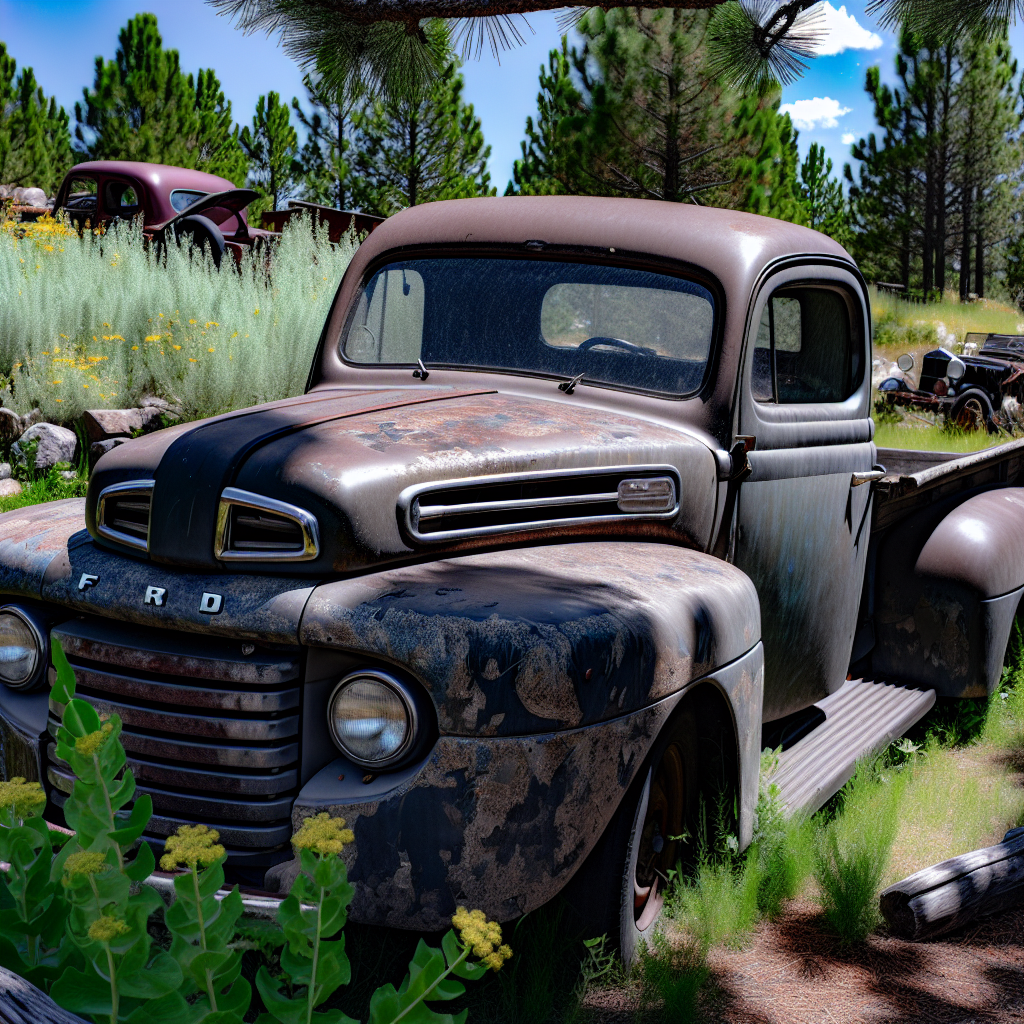
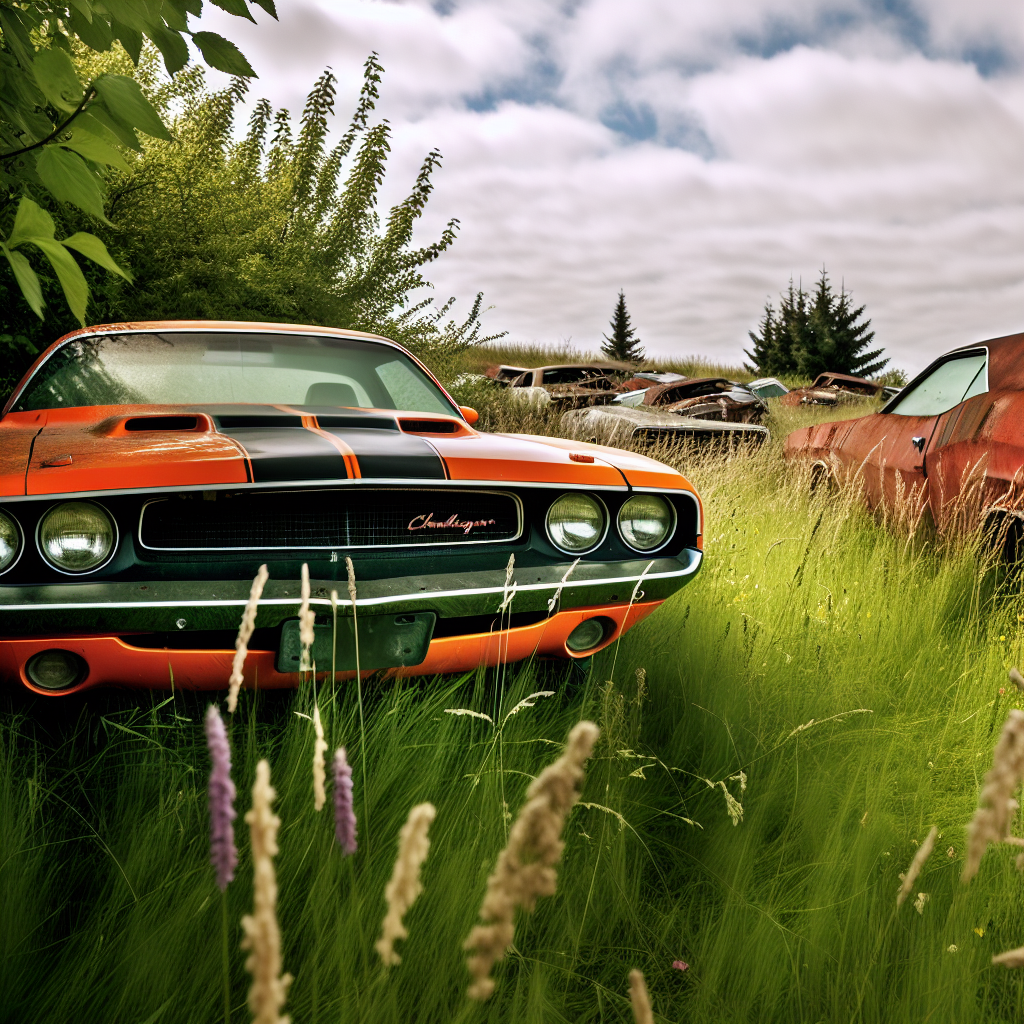
Old Car City has a rich history that dates back to its opening in 1931 by Walter Dean Lewis. Initially, it served as a small junkyard where Lewis collected discarded vehicles. Over the decades, through passion and a deep appreciation for automotive history, it transformed into a vast collection of classic cars. The site grew as the family developed tire businesses and developed a love for the old relics that filled their yard. In the late 20th century, visitors began recognizing the historical and artistic value of the rusting cars, prompting the transition from a simple junkyard to an expansive museum. Today, Old Car City showcases over 4,000 classic cars within a stunning 34-acre natural landscape, inviting visitors to explore and appreciate the marriage of nature and automotive history. This evolution speaks not only to the preservation of American automotive heritage but also to a nostalgic journey through the eras represented by the vehicles, each with its own story and significance within the larger tapestry of the automotive world.
Key Takeaways:
- Founded in 1931 by Walter Dean Lewis as a small junkyard.
- Transformed from a junkyard to a vast collection of classic cars due to passion for automotive history.
- The family developed tire businesses that contributed to the growth of the site.
- In the late 20th century, the historical and artistic value of the cars was recognized by visitors.
- Old Car City now features over 4,000 classic cars and spans 34 acres, blending nature with automotive heritage.
| Car Model | Year | Description |
|---|---|---|
| 1968 Dodge Coronet Super Bee | 1968 | A classic muscle car known for its powerful engine and distinctive styling. |
| Oldsmobile 442 | 1964 | Renowned for its performance and sporty design, a favorite among muscle car enthusiasts. |
| Lincoln Mark V | 1977 | A luxuriously appointed coupe recognized for its stylish design and spacious interior. |
Visitor’s Guide to Old Car City
Planning your visit to Old Car City is a thrilling experience as this unique destination combines classic cars and nature in an enchanting way. To maximize your trip, here are some essential tips:
- Entrance Fee: Entry to Old Car City is $30 per person. Be sure to bring cash, as card payments may not always be accepted.
- Best Times to Visit: For the most enjoyable experience, consider visiting early in the morning, especially on weekdays. This timing can help you avoid crowds and provide ample opportunity for photography and exploration. Off-peak seasons, such as late fall or early spring, can also enhance your visit as the weather is generally pleasant and the scenery is beautiful.
- Amenities Available: Old Car City is equipped with the following amenities:
- Restrooms: Convenient restroom facilities are available to ensure your comfort during the visit.
- Picnic Areas: Enjoy a meal surrounded by nature. Bring your lunch to relax in designated picnic spots.
- On-Site Shop: Browse through a variety of automotive memorabilia and unique souvenirs that can serve as a reminder of your visit.
To fully enjoy your time exploring the 34-acre expanse of Old Car City, wear comfortable walking shoes and dress appropriately for the weather. Given the site’s natural landscape, be prepared for uneven terrain and the possibility of encountering wildlife. As you wander along the six miles of nature trails interspersed with classic cars, remember to respect the vehicles and the surrounding environment.
Ultimately, visiting Old Car City is not just about the cars, but also about immersing yourself in a unique experience where automotive history and natural beauty intertwine. Whether you are an automobile enthusiast or simply looking to explore, your visit promises to be a memorable journey into America’s rich automotive past.
Visiting Old Car City resonates deeply with its guests, and many car enthusiasts have shared their thoughts and emotional experiences. One enthusiast expressed,
“Whether you’re a car aficionado or simply appreciate nostalgia, Old Car City USA provides an unforgettable experience.”
This sentiment highlights how the museum elicits a strong connection to the past and the memories tied to classic cars.
Another visitor noted the unique atmosphere:
“Whether you’re snapping photos, reminiscing about the past, or simply soaking in the peaceful forest surroundings, Old Car City USA delivers a memorable dose of nostalgia.”
This encapsulates the blend of serene nature with the rugged charm of classic vehicles.
Enthusiasts frequently remark on the picturesque setting; one stated,
“There’s something picturesque about the weather-worn classics… a place for car enthusiasts, nature lovers and photographers.”
This reflects the emotional pull of the rust and history within the 34-acre site, turning classic car viewing into a form of art appreciation.
The atmosphere is so impactful that a photographer described their visits as transformative, saying,
“On my first visit, I was so busy photographing… the space is vast,”
emphasizing how Old Car City ignites endless inspiration and immerses visitors in nostalgia.
As we conclude our journey through Old Car City and the rich narrative of American car culture, it becomes clear that places like this extraordinary museum play a vital role in preserving the history and stories of the vehicles that have shaped our society. From the classic cars resting under the embrace of nature to the intricate tales behind each rusted relic, this massive 34-acre compound stands as a testament to the significance of automotive history in the American dream.
Car culture in America is not merely about transportation; it encapsulates a broader narrative of freedom, ingenuity, and personal expression. The vehicles of the past represent dreams held by their creators, hopes of adventure harbored by their owners, and treasured memories forged through time. Museums like Old Car City are crucial in safeguarding these stories, allowing future generations to connect with the spirit of bygone eras and understand the pivotal role automobiles have played in shaping our cultural landscape.
Moreover, Old Car City serves as an inspiring reminder of the synergy between nature and technology, where the decay of classic vehicles tells a story of both glory and passing time. In this unique space, visitors are invited to reflect on their own experiences with these vehicles, making it more than just a museum; it’s a heartfelt homage to the roads we have traveled together as a society. As car enthusiasts and history buffs wander through the maze of classic cars, they absorb not only the beauty of the vehicles but also the very essence of American innovation and nostalgia. Unquestionably, preserving such sites is essential as they commemorate our automotive heritage and keep the memory of our beloved cars alive for years to come.
Recent Trends in Classic Car Restoration
Classic car restoration has seen a remarkable evolution in recent years, with enthusiasts adapting to emerging technologies and sustainable practices. Here are some notable trends relevant to restoration projects, especially for vehicles like those found in Old Car City:
Eco-Friendly Restoration Practices
Restorers are increasingly emphasizing eco-conscious methods, utilizing sustainable materials and low-VOC paints to minimize environmental impact. This shift shows a growing commitment to preserving not only the vehicles but also the world they inhabit.
Technological Advancements
Advanced technologies such as 3D scanning have become invaluable in the restoration process. This technique allows for precise part replication, which is essential for maintaining the integrity of classic cars. Electric conversions are also trending, enabling classic car enthusiasts to integrate modern reliability with vintage charm, ensuring these beloved vehicles remain roadworthy.
Popular Models
Certain classic car models are consistently sought after for restoration projects. The Ford Mustang and Chevrolet Camaro stand out due to their iconic status and the abundant availability of parts. Such vehicles evoke nostalgia, attracting collectors who appreciate their historical significance and performance capabilities.
Focus on Authenticity
Vintage culture has prompted a renewed focus on authenticity in restoration practices. Collectors now prioritize period-correct restorations, aiming to preserve the historical value of vehicles. This trend leads to the celebration of community events that honor automotive history, underscoring the importance of craftsmanship and the stories behind each vehicle.
Through these trends, classic car enthusiasts are not merely restoring vehicles; they are engaging with the rich narratives of the past. By showcasing these classic vehicles, they invite future generations to appreciate and connect with the automotive heritage that forms a vital part of our cultural history.
As we reflect on the recent trends in classic car restoration, it becomes evident that these changes are not just reshaping the way we view and maintain vintage vehicles, but they also play a crucial role in preserving the stories and histories that these cars represent. The shift towards eco-friendly practices, technological advancements, and a focus on authenticity mirrors the very essence of car culture, which is rooted in respect for the past while embracing innovation.
In this context, Old Car City serves as a tangible reminder of the rich automotive heritage that these trends aim to protect. The blend of nature and classic cars at this vast museum underscores the importance of preserving both the vessels of history and the narratives they carry.
Moving forward, as we delve into the conclusion of our exploration of Old Car City, let us consider how the evolution of restoration practices not only enhances our connection to these vehicles but also enriches our understanding of the broader cultural significance of automotive history. It is this connection that ensures the memories and experiences tied to classic cars endure for generations to come.
Ensuring these keywords are used in a meaningful way throughout the article will contribute to better SEO optimization. Reflecting on the emotional connections and the intertwining of classic car culture, aerospace advancements, and nature can enhance reader engagement while serving the article’s SEO goals.