
Imagine gliding down a sunlit boulevard in a car that takes you back in time. This car has a story, elegance, and charm that few modern vehicles can replicate. Classic cars adorned with wire wheels evoke a strong sense of nostalgia. This feeling resonates deeply with car enthusiasts and casual admirers alike. These exquisite vehicles symbolize a golden era of automotive design. In this era, artistry merged seamlessly with engineering.
From the iconic Aston Martin DB5 to the stylish Ford Thunderbird, wire wheels have graced some of the most revered cars in history. They represent not just a style choice but also a statement of individuality and passion. The significance of wire wheels goes beyond their aesthetic appeal. They embody the craftsmanship and dedication of skilled artisans who meticulously crafted each wheel, often viewing them as works of art. Each model that sports these wheels carries a unique story, enriching the dialogue between car and driver.
As we delve into the world of classic cars with wire wheels, we will explore their timeless appeal. We will also discuss the craftsmanship behind them and the unique charm they bring to today’s roads. Join us on this journey that celebrates these vehicles and their rich history and stories that make them unforgettable.
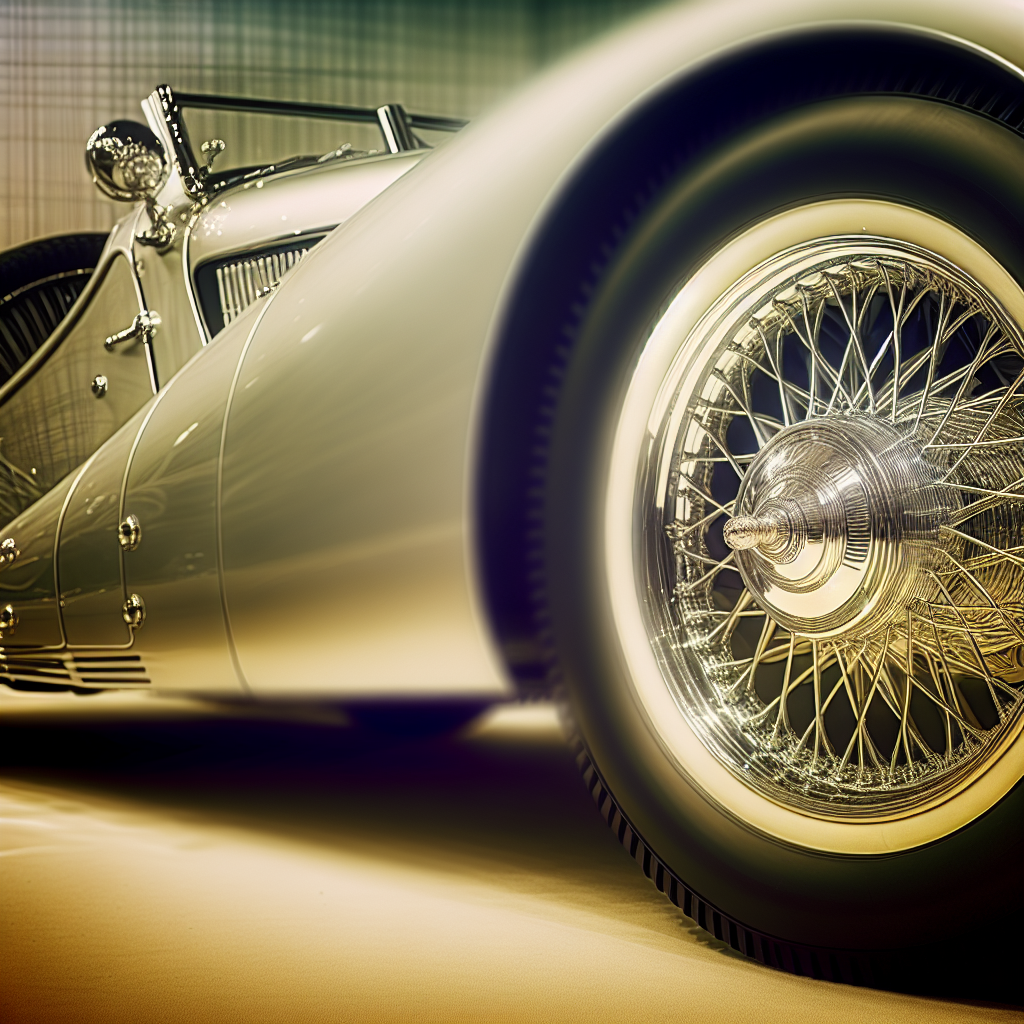
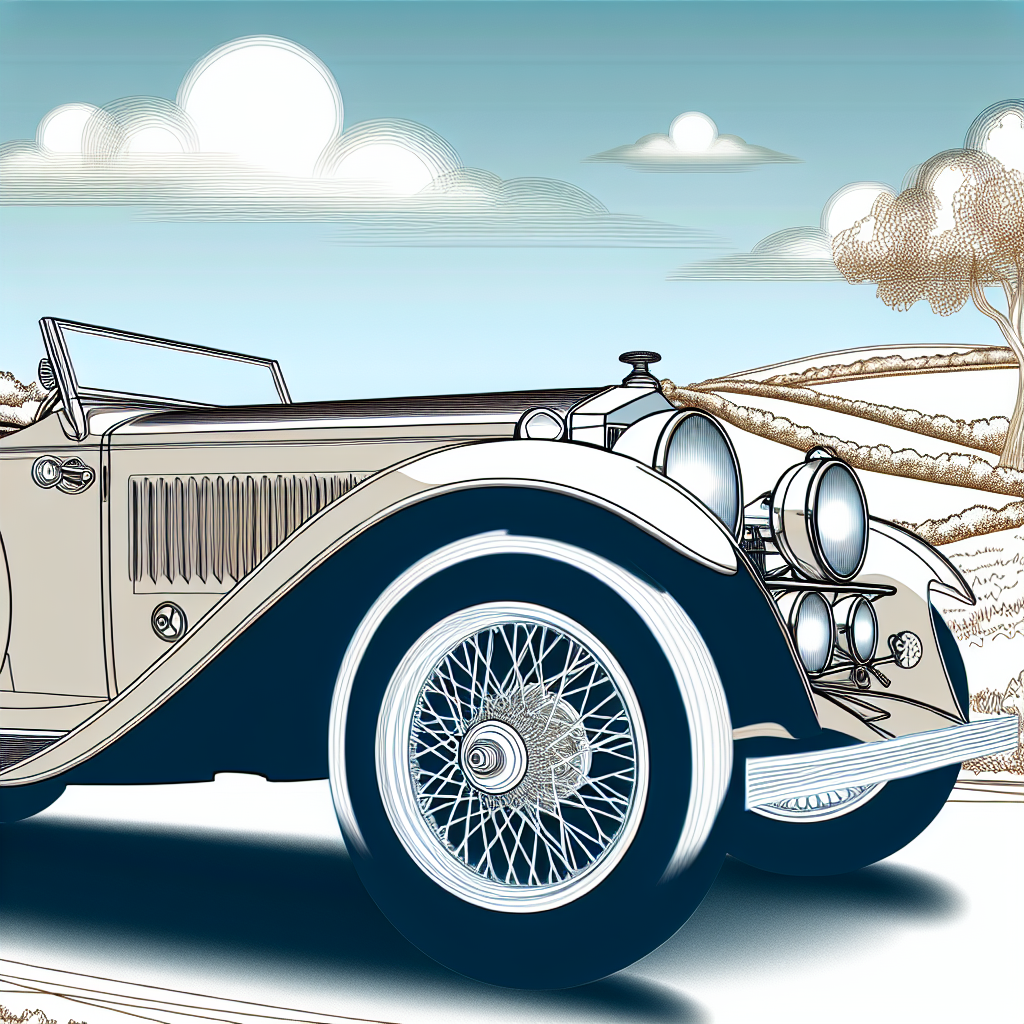
Wire wheels have a rich historical significance in the world of classic cars, evolving from a mere functional component to a revered symbol of luxury and style. Initially popularized in the early to mid-twentieth century, these wheels were celebrated for their lightweight design and striking aesthetic appeal, quickly becoming synonymous with high-end automotive craftsmanship and vintage cars.
Cars like the Aston Martin DB5 are hallmark examples, where wire wheels were not just an option but a quintessential part of their luxurious identity. The elegant Duesenberg SJ, known for its remarkable speed and sophistication, further solidified this association as it showcased wire wheels that epitomized American luxury. These vehicles not only represent high craftsmanship but also play a crucial part in automotive history.
In the realm of personal luxury vehicles, the Ford Thunderbird, particularly the Sports Roadster, made wire wheels a standard feature, cementing their place in automotive history. As these classic cars captured the hearts of enthusiasts and collectors alike, wire wheels transformed into symbols of exclusivity and fine artistry, representing a unique driving experience that continues to attract admiration and desire today.
Whether admired at car shows or cruising on scenic roads, wire wheels remain a testament to an era of elegance and performance that car lovers cherish.


Detailed Profiles of Iconic Cars with Wire Wheels
Aston Martin DB5 (1963–1965)
The Aston Martin DB5 is arguably one of the most iconic cars in history. Known for its striking looks and luxurious interior, it was powered by a 4.0 L (3,995 cc) twin-cam straight-six engine, producing 282 bhp in standard form, while Vantage versions could deliver up to 325 bhp. The DB5 could accelerate from 0 to 60 mph in just 7.1 seconds, with a top speed of 145 mph. Only 1,021 units were manufactured, and it gained immense fame as the car driven by James Bond in the film “Goldfinger” (1964). The elegant wire wheels add to the car’s classic aesthetic, making it a desirable collectible.
Ford Thunderbird (1955–1957)
The first-generation Ford Thunderbird set the tone for personal luxury sports cars. Launched as a response to the Chevrolet Corvette, it featured a two-seater configuration with an optional port-hole hardtop. The Thunderbird offered various engine options, including a 292 cu in V8 that produced between 193 to 225 hp, and a more powerful 312 cu in version that delivered up to 285 hp. Its top speed ranged from 110 to 120 mph. Notably, it was the only model to come with wire wheels directly from the factory, establishing its place in automotive history.
Ferrari 250 GTO (1962–1964)
The Ferrari 250 GTO is not only a stunning piece of engineering but also a symbol of exclusivity and performance. Engineered for GT racing, it was equipped with a 3.0 L V12 engine generating 300 hp. Its lightweight design allowed it to reach a top speed of 174 mph, with a 0 to 60 mph time of approximately 5.8 seconds. Only 36 units were produced, making it one of the most sought-after cars in history, with auction prices soaring into the tens of millions. The GTO’s design and wire wheels contribute to its status as an enduring icon.
Duesenberg Model SJ (1932–1937)
Known for its opulence and power, the Duesenberg Model SJ represents American luxury in the pre-war era. The supercharged version of its straight-eight engine produced between 320 to 400 hp and could reach top speeds of 140 mph, making it one of the fastest production cars of its time. The exquisite craftsmanship of the Duesenberg included stunning wire wheels, which were integral to its luxurious profile. Only about 36 supercharged SJ units were built out of a total of 481 Model J chassis, adding to its rarity and allure among collectors.
| Model | Year of Production | Notable Features |
|---|---|---|
| Aston Martin DB5 | 1963 – 1965 | Powered by a 4.0 L engine, 0-60 mph in 7.1 seconds, iconic James Bond car |
| Ford Thunderbird | 1955 – 1957 | Personal luxury sports car, factory wire wheels, multiple engine options |
| Ferrari 250 GTO | 1962 – 1964 | 3.0 L V12 engine, very rare with only 36 units produced, high auction prices |
| Duesenberg Model SJ | 1932 – 1937 | Supercharged straight-eight engine, incredibly luxurious, only about 36 SJ units made |
Quotes from Automotive Legends on the Beauty of Wire Wheels
Wire wheels are often regarded not just as functional parts of a car but as integral aspects that define its character and elegance. Prominent figures in the automotive world have expressed their admiration for the aesthetic and historical significance of wire wheels. Here are some notable quotes that encapsulate this sentiment:
- Enzo Ferrari, the legendary founder of Ferrari, reflected on the allure of classic cars, stating: “The most beautiful cars were those with spoked wheels – the wire wheels gave them elegance and lightness that nothing else could match.” This nostalgia highlights the timeless appeal of wire wheels, particularly seen in models like the Ferrari 250 GTO and Jaguar E-Type that feature such exquisite craftsmanship.
- Legendary race car driver Tazio Nuvolari famously remarked about his experiences in wire-wheeled cars, saying: “When the wire wheels sing at 150 mph, you know you are alive.” This quote reflects the thrilling connection between performance and aesthetics that enthusiasts cherish in cars with wire wheels.
- Donald Healey, an icon in automotive design, famously stated: “Nothing sets off a sports car like a set of properly painted or chromed wire wheels – they are the jewelry of the motor car.” Healey’s words perfectly resonate with models like the Austin-Healey 100 that are embellished with these delicate yet robust wheels.
- Historical brochures from Duesenberg have proclaimed that “chrome-plated wire wheels by Buffalo, shod with the finest tires, give the Duesenberg its unmistakable appearance of speed even when standing still.” This statement captures how pivotal wire wheels were to defining the grandeur of early luxury sports cars.
The appreciation for wire wheels reflects a broader love for classic automobiles, where beauty and engineering coalesce seamlessly.
In conclusion, the allure of wire wheels in classic cars transcends mere aesthetics; they serve as a poignant reminder of a bygone era in automotive history. Transporting us back to a time when style and craftsmanship were paramount, wire wheels symbolize a commitment to quality and a passion for design that resonates with collectors and enthusiasts alike. Their unique blend of elegance, historical significance, and connection to some of the most iconic vehicles—such as the Aston Martin DB5 and Ferrari 250 GTO—ensures that they will forever be cherished in the hearts of car lovers.
Appreciating these remarkable automobiles not only involves admiring their beauty but also understanding the stories they tell. Each wire wheel embodies an era of innovation and creativity, reminding us of the skilled artisans whose hands shaped these masterpieces. As we celebrate the vintage vehicles that grace our roads, let us honor the wire wheels that provide a window into the enchanting history of automotive design. So the next time you encounter a classic car adorned with wire wheels, take a moment to appreciate not just the vehicle but the legacy it represents, and join the collective nostalgia that continues to inspire generations of enthusiasts.
User Opinions on Classic Wire-Wheeled Cars
Classic cars equipped with wire wheels are often seen as a blend of beauty and nostalgia among automotive enthusiasts. Here’s a roundup of user opinions gathered from various discussions and articles:
- Visual Appeal: Across multiple forums and articles, car enthusiasts celebrate wire wheels for their distinct visual attractiveness. They are considered an elegant touch, significantly enhancing a classic car’s aesthetic. Users on platforms like Reddit and Classic Motorsports often refer to wire wheels as a nostalgic and era-correct choice, making them particularly appealing for show cars.
- Driving Experience: The driving experience, however, garners mixed reviews. While some users appreciate the charm and history associated with wire wheels, others highlight practical challenges. For instance, one user noted that wire wheels are suitable for show cars but may not be the best choice for everyday driving due to maintenance concerns. Regular inspections and care are necessary to prevent issues like rust and corrosion, thus they are considered more trouble for regular drivers.
- Maintenance and Practicality: Several reviews emphasize the maintenance aspect, indicating that while beautifully designed, chrome wire wheels require a lot of upkeep. Users discourage using them for daily driving unless the owner is committed to regular cleaning. After heavy use, quick corrosion can diminish their allure unless attention is given to waxing and care.
Overall, enthusiasts find wire wheels to be an attractive feature that contributes to the classic character of a car, but the practical challenges they present mean they might be better suited for collectors or car show enthusiasts rather than those who drive their classic cars regularly.
The Modern Impact of Wire Wheels in Restorations
Wire wheels have maintained their status as a prominent feature in the restoration of classic cars, deeply influencing both enthusiasts and restorers. The current market has seen a resurgence in the demand for these elegantly designed wheels, not only due to their aesthetic appeal but also because many owners seek authenticity in their restorations. They evoke a nostalgic sense of the golden era of automobiles.
For enthusiasts, the availability of aftermarket wire wheels has increased significantly, with numerous manufacturers offering various styles, finishes, and sizes to fit a wide range of classic models. Collectors can often choose between options that replicate original designs or modern adaptations that offer enhanced performance and durability.
Additionally, current trends reflect a blending of vintage aesthetics with modern technology. Many restorers embrace wire wheels’ unique characteristics while incorporating contemporary materials and manufacturing techniques, ensuring that they meet modern safety and performance standards. This fusion of old and new interests a growing demographic of car collectors eager to preserve the legacy of classic cars while enjoying the reliability of today’s engineering.
To smoothly transition between the detailed profiles of iconic cars with wire wheels and the subsequent exploration of quotes about these distinctive features, we highlight the essential role that wire wheels play in defining automotive elegance. The craftsmanship, artistry, and historical significance of these wheels not only enhance the aesthetic appeal but also serve as a crucial element in the narrative of each vehicle’s legacy.
Each car profile we’ve discussed stands out due to not only its engineering prowess and design but also its distinctive wire wheels, which greatly contribute to its character. As we pivot from appreciating the factual details of these automobiles to reflecting on the broader sentiments of automotive legends, we invite you to consider how wire wheels encapsulate an era of innovation and style. Their place in iconic models like the Aston Martin DB5 and Ferrari 250 GTO creates a lasting impression that resonates deeply across generations.
Now, let’s hear what some of these automotive luminaries have said about the exceptional beauty and significance of wire wheels. Their insights will undoubtedly deepen our appreciation for this remarkable feature in classic cars.